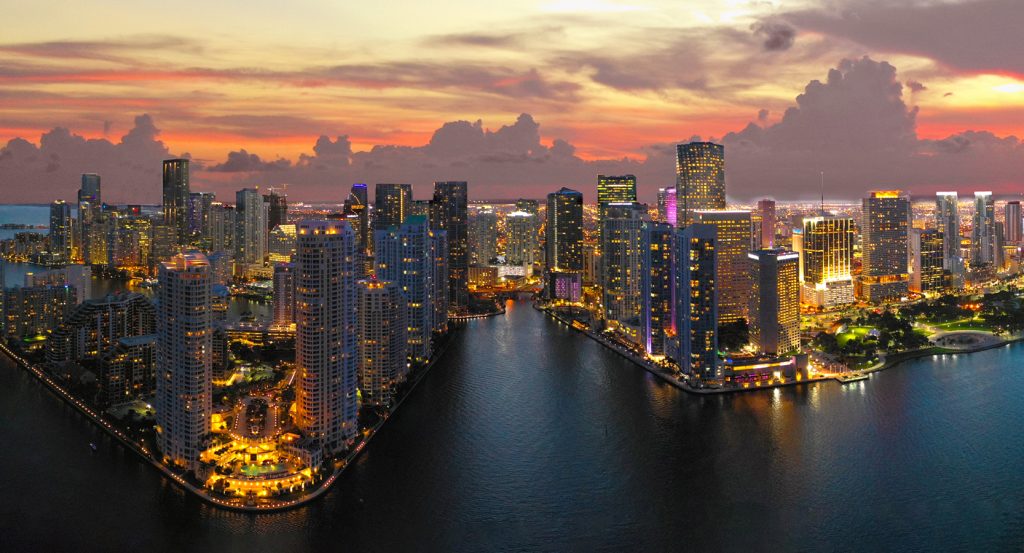
Why you should experience 74th Street in Miami, Florida.
74th Street is a tranquil corridor where North Beach's coastal heritage, residential character, neighborhood commerce, and Atlantic shoreline create one of Miami Beach's most inviting east-west streets.
Running through North Beach between Biscayne Bay and the Atlantic Ocean, the corridor connects quiet residential blocks, neighborhood businesses, waterfront parks, and public beach access that collectively reflect the planned expansion of northern Miami Beach during the mid-twentieth century. Mature coconut palms, sea grape, landscaped sidewalks, and low-rise Miami Modern buildings create a streetscape where coastal living and neighborhood character remain closely intertwined. Throughout the corridor, independently owned cafés, longtime apartment buildings, public gathering spaces, and flourishing subtropical vegetation reinforce an environment shaped by decades of residential stewardship and shoreline preservation. The result is an experience defined by coastal serenity, architectural continuity, and one of North Beach's most distinctive neighborhood corridors.
What you should know about 74th Street.
74th Street is best known for linking Biscayne Bay with the Atlantic shoreline through North Beach, an area whose modern form emerged after large-scale dredging, land reclamation, and planned residential development expanded Miami Beach northward during the 1940s and 1950s. Construction surrounding the corridor introduced Miami Modern apartment buildings, low-rise courtyard hotels, masonry residences, reinforced concrete commercial structures, decorative breeze block, terrazzo flooring, jalousie windows, and broad roof overhangs designed to respond to South Florida's subtropical climate. The surrounding street network developed alongside municipal seawalls, stormwater drainage systems, tidal-control infrastructure, engineered beach nourishment projects, and hurricane-resilient utilities that supported permanent settlement across the barrier island while protecting coastal neighborhoods from tidal flooding. Normandy Isle, North Shore, and the Atlantic beachfront strengthened the corridor's role as a neighborhood connector linking residential communities with recreational shoreline landscapes and commercial services throughout northern Miami Beach. Coconut palms, sabal palms, sea grape, gumbo limbo, black mangrove, brown pelicans, royal terns, snowy egrets, and West Indian manatees remain closely associated with the surrounding coastal environment, reflecting the ecological diversity that continues defining Biscayne Bay and the Atlantic shoreline.
North Beach experienced a substantial building boom during the postwar decades as architects embraced the Miami Modern movement through folded rooflines, geometric ornamentation, colorful mosaic accents, decorative concrete screens, and expansive glass façades that distinguished the district from earlier Art Deco neighborhoods farther south. Public shoreline restoration initiatives have continued stabilizing dunes, expanding native coastal vegetation, and strengthening sea turtle nesting habitat while preserving the barrier island's ecological resilience. Community organizations and historic preservation advocates continue supporting restoration projects that retain architecturally significant buildings and reinforce the neighborhood's distinctive mid-century identity. Together, these architectural traditions, coastal conservation initiatives, and preservation efforts demonstrate how 74th Street continues reflecting the historical evolution and environmental character of North Beach.
How to fold 74th Street into your trip.
74th Street works as an exploration of North Beach's coastal landscapes, neighborhood character, and architectural heritage.
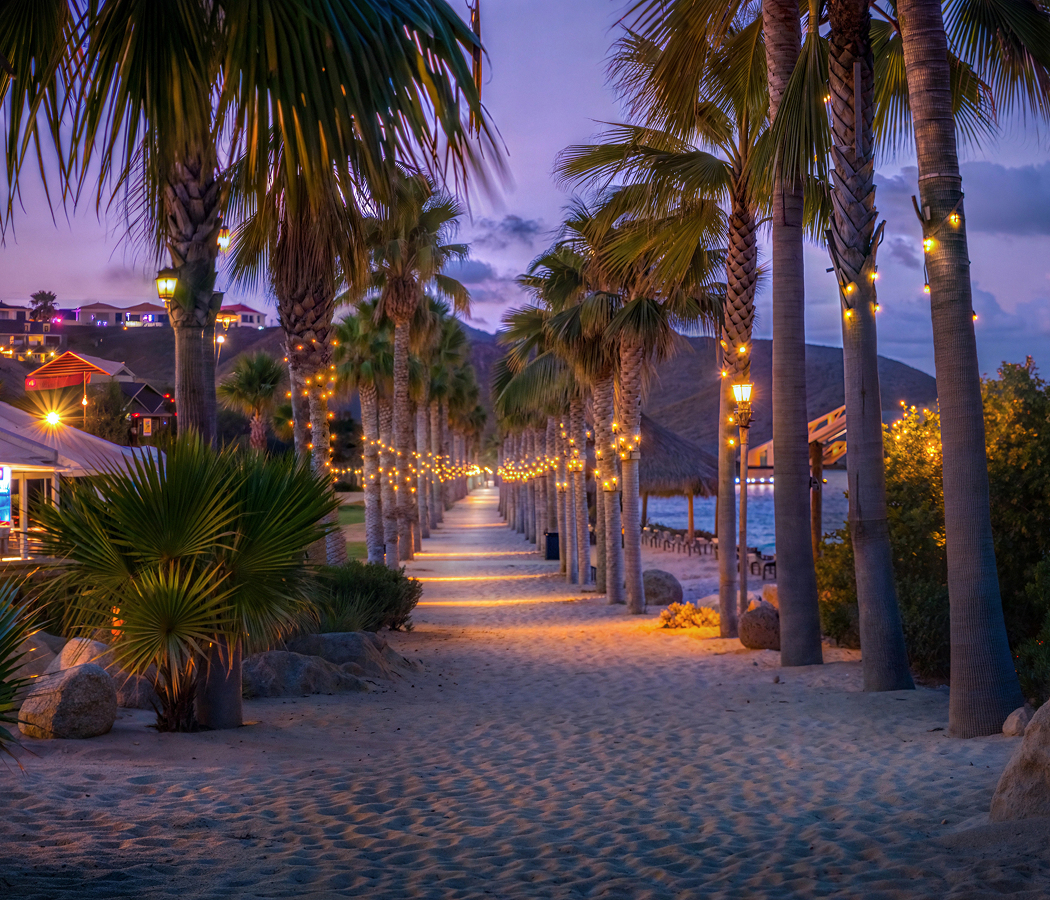
Begin at North Shore Open Space Park, where maritime forest, native dunes, and broad Atlantic views establish the natural setting before following 74th Street through the surrounding neighborhood. Continue to North Beach Oceanside Park, whose shaded pathways, beachfront setting, and coastal vegetation broaden the appreciation for the barrier island landscape that defines North Beach. Conclude at Normandy Fountain, where preserved Miami Modern design and the civic centerpiece of Normandy Isle provide the historical payoff by revealing the architectural ambitions that shaped northern Miami Beach during the postwar era. The progression moves naturally from protected coastal habitat through the oceanfront landscape before concluding with an enduring symbol of mid-century community planning, revealing how 74th Street connects shoreline ecology, neighborhood identity, and Miami Beach's architectural legacy.
Where your story begins.
Foresyte Travel reveals places that feel extraordinary long before you arrive.
Experience premium editorial crafted for luxury travelers.