
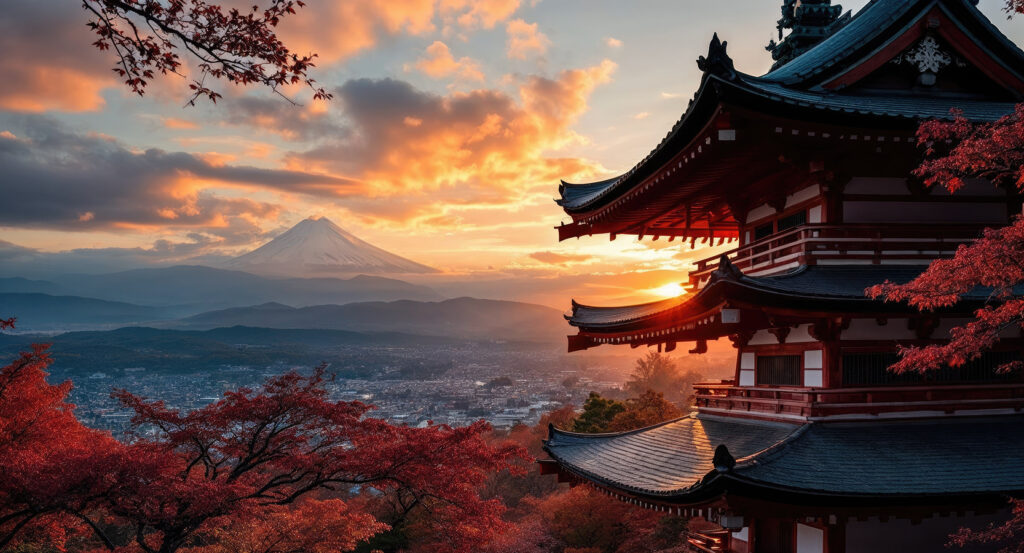
Why you should experience Kyoto City Centre in Kyoto, Japan.
Kyoto City Centre is the living heart of Japan's ancient capital, where imperial history, energetic commercial districts, and centuries of cultural tradition converge within one of the country's most influential urban landscapes.
Historic marketplaces, elegant shopping arcades, traditional townhouses, renowned restaurants, cultural landmarks, and thriving pedestrian streets create a district that seamlessly blends old and new Kyoto. For more than a thousand years, the city center served as the political, economic, and cultural nucleus of imperial Japan, shaping traditions that continue to influence the nation today. Merchants, artisans, nobles, and scholars contributed to an urban environment renowned for craftsmanship, refinement, and innovation. Today, visitors can move effortlessly between historic landmarks and modern attractions while experiencing the rhythms of everyday life in Kyoto. The result is a neighborhood that feels dynamic, historic, and endlessly engaging. To the east, Higashiyama's preserved temple districts and traditional streets extend naturally from Kyoto City Centre toward the foothills of the surrounding mountains, reinforcing the neighborhood's position within one of Japan's most celebrated cultural landscapes. Every arcade, alleyway, and public square reflects a neighborhood shaped by commerce, culture, and continuity.
What you should know about Kyoto City Centre.
Kyoto City Centre is best known for being home to Nishiki Market, Kyoto's most famous culinary destination and the historic center of the city's food culture.
For centuries, merchants and food specialists have operated within the market, supplying ingredients and delicacies that helped define Kyoto's distinctive culinary traditions. The market became a gathering place where local producers, chefs, and residents exchanged goods, knowledge, and techniques that contributed to the city's reputation for refined cuisine. Its narrow covered arcade remains lined with specialty vendors offering products deeply connected to Kyoto's cultural heritage and seasonal food traditions. Today, the market continues to serve as both a commercial institution and a cultural landmark, attracting visitors from around the world. Few destinations in Japan possess such a strong association with regional food culture and everyday urban life.
How to fold Kyoto City Centre into your trip.
Kyoto City Centre works as an exploration of the historic landmarks, culinary institutions, and commercial corridors that define the heart of the ancient capital.
Begin at Nishiki Market, where the neighborhood's defining connection to food culture and merchant heritage immediately comes into focus. Continue toward Teramachi Shopping Arcade, whose blend of traditional businesses, cultural landmarks, and local retailers reveals the commercial vitality that has shaped the district for generations. From there, make your way to Nijo Castle, where grand architecture and UNESCO-recognized significance provide a broader perspective on the political history that influenced the development of Central Kyoto. Along the route, you'll encounter traditional shops, neighborhood cafés, historic streets, artisan businesses, public gathering spaces, cultural institutions, and architectural landmarks that showcase the neighborhood's remarkable depth. The progression moves naturally from culinary landmark to commercial corridor to historic stronghold, revealing the forces that shaped the neighborhood. Kyoto City Centre remains one of Japan's most rewarding urban destinations, preserving a remarkable balance between historical significance, cultural vitality, and contemporary city life.
Where your story begins.
Foresyte Travel reveals places that feel extraordinary long before you arrive.
Experience premium editorial crafted for luxury travelers.

















































































































