
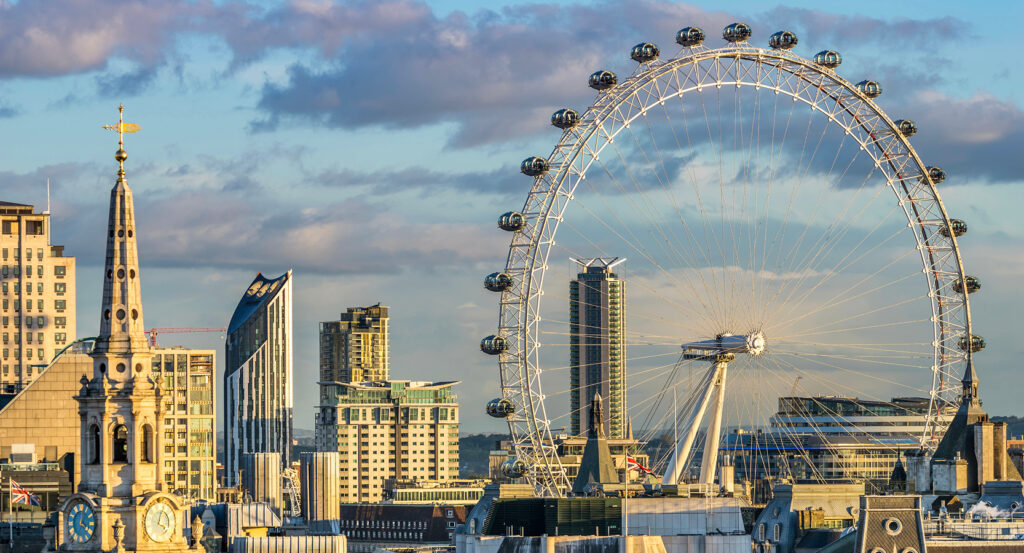
Why you should experience York Road in London, England.
York Road is a prominent South Bank corridor where transportation history, riverside regeneration, and metropolitan energy converge along one of Central London's most strategically important thoroughfares.
Running through South Bank between Waterloo and Westminster Bridge, this influential avenue connects transportation hubs, cultural institutions, riverside developments, commercial destinations, hospitality venues, and civic landmarks that have shaped London life for generations. Victorian infrastructure, modern office buildings, public plazas, and Thames-side vistas create a streetscape defined by connectivity and transformation. The corridor developed rapidly during the nineteenth century as railway expansion and urban growth reshaped the southern bank of the River Thames. Engineers, planners, entrepreneurs, civic leaders, residents, and architects helped establish a route that continues to serve as a major gateway into Central London. To the east, South Bank extends naturally from York Road through a network of cultural landmarks, riverside attractions, and public spaces that reinforce the avenue's enduring significance. The result is a street defined by movement, renewal, and urban importance.
What you should know about York Road.
York Road is best known for fronting Waterloo Station, the railway terminus that became Britain's busiest railway station and transformed the movement of people into and out of London on a scale unmatched anywhere else in the United Kingdom.
Opened during the nineteenth century and repeatedly expanded to accommodate growing demand, the station evolved into one of the most important transportation hubs in Europe. Millions of commuters, travelers, soldiers, workers, and visitors have passed through its platforms while shaping the economic and social life of the capital. The station's prominence extended beyond transportation, becoming a symbol of London's growth, resilience, and national connectivity. Successive engineering projects reinforced its role as a critical component of Britain's rail network. Few London streets are associated with an institution that has influenced the daily lives of so many people across such a long period of time.
How to fold York Road into your trip.
York Road works as an exploration of London's transportation heritage, riverside culture, and modern civic landscape.
Begin at Waterloo Station, where the avenue's defining relationship with movement, connectivity, and urban development immediately comes into focus. Continue toward the Southbank Centre, whose remarkable concentration of artistic institutions reveals the cultural forces that helped shape the district across generations. From there, make your way to the London Eye, where panoramic views of the capital provide a broader perspective on the historical and architectural evolution of the surrounding area. Along the route, you'll encounter transportation landmarks, cultural institutions, riverside promenades, architectural icons, public gathering spaces, civic destinations, and celebrated Thames-side vistas that showcase the corridor's remarkable depth. The progression moves naturally from national rail gateway to cultural centerpiece to skyline-defining attraction, revealing the forces that transformed York Road into one of Central London's most consequential avenues. York Road remains one of the capital's most rewarding streets, preserving a distinctive balance between transportation significance, cultural vitality, and urban energy.
Where your story begins.
Foresyte Travel reveals places that feel extraordinary long before you arrive.
Experience premium editorial crafted for luxury travelers.














































































































