
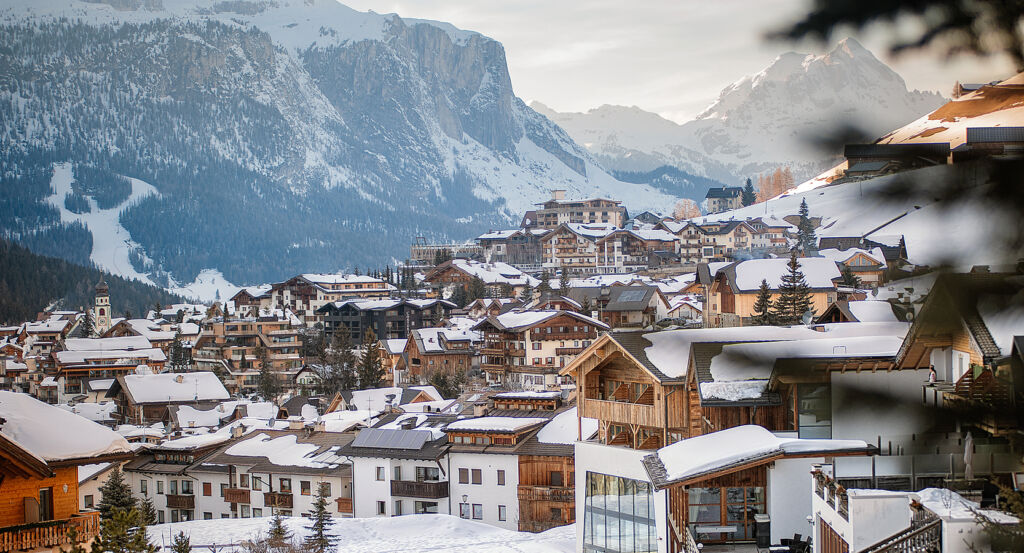
Why you should experience Appartements Lüch da Pcëi in Italy.
Appartements Lüch da Pcëi is where ancient Ladin farming heritage, the soothing quiet of alpine meadows, and the warmth of a deeply rooted family homestead merge into a stay that feels authentic, serene, and emotionally tied to the lived rhythm of San Cassiano.
Set on a gentle rise at the edge of the village, surrounded by rolling meadows, traditional barns, and the luminous limestone towers of the Fanes-Sennes-Braies massif, the property stands as a living tribute to the valley's agricultural past. Unlike polished hotels or curated farm-retreats, Lüch da Pcëi exists as a real, working farmstead thoughtfully adapted to welcome travelers. Lüch” in the Ladin language means “farm,” and from the moment you arrive, the connection is unmistakable: the scent of wood and mountain air, the sound of wind moving through the grass, the presence of historic structures built with ancestral craft, and the unmistakable sense that this land has carried families through centuries. The apartments themselves feel immediately comforting. Crafted with natural wood, warm textiles, gentle colors, and Ladin craftsmanship passed through generations, each unit blends alpine simplicity with clean, modern comfort. Expect spacious living areas with large windows that frame meadows, forests, and cliffs that shift in color with sunrise and sunset. Kitchens are fully equipped, allowing guests to prepare meals with local cheeses, butter, eggs, fresh milk, and seasonal produce, many of which come directly from small farms in the valley. Bedrooms are restful, cocoon-like spaces designed for deep sleep, with soft duvets, warm wood, and a peaceful stillness that mirrors the landscape outside. Bathrooms are modern, bright, and functional, offering warm tiling, clean fixtures, and the kind of simplicity that supports recovery after days spent in the mountains. What makes Appartements Lüch da Pcëi exceptional is the land around it. These meadows have been used for centuries, and their continuity is felt everywhere. Hayfields rise and fall with the seasons, lush green in early summer, golden and aromatic at harvest, snow-covered and silent in winter. Barns built in traditional Ladin style, stone foundations, larch beams, ventilated façades, stand as reminders of the agricultural structure that once sustained every family in this valley. Staying here means stepping into that lineage. In winter, this peaceful farmstead becomes a soulful base for skiing Alta Badia. Just minutes from the Piz Sorega lift, guests enjoy access to one of the world's most celebrated ski networks, including the renowned Sellaronda. After long days on snow, forest trails, panoramic bowls, soft meadows, high ridges, returning to an apartment feels intimate and grounding. You can cook, unwind, stretch out near the window, breathe in the cold air drifting through open shutters, and truly settle into the quiet of the mountains. In summer, the property blossoms into a pastoral paradise. Trails begin directly from the farmstead, leading into wildflower meadows, alpine lakes, forest paths, and the expansive wilderness of the Fanes-Sennes-Braies national park.
What you did not know about Appartements Lüch da Pcëi.
Appartements Lüch da Pcëi stands on land that reflects some of the earliest foundations of Ladin life, land shaped by haymaking, transhumance, communal labor, and agricultural cycles that sustained San Cassiano for centuries before tourism ever reached these valleys.
This terrain formed part of a working farmstead long before the first ski lift or hotel was built. The meadows surrounding the property were essential to survival. Every summer, families cut hay by hand with scythes, turning it multiple times to dry it evenly before storing it in carefully constructed barns. These barns, iconic symbols of Ladin architecture, featured stone bases, larch beams, slatted façades, and steep roofs designed to resist heavy snowfall. They protected the hay that fed cattle through the winter, which in turn fed families through the year. The farmstead was part of an intricate agricultural rotation. Lower meadows were cut in early summer; higher slopes were worked later; forests provided firewood and materials; and alpine pastures hosted livestock during the warm months. This movement, known as transhumance, was the backbone of Ladin life, shaping everything from diet to architecture to cultural identity. The land beneath Appartements Lüch da Pcëi was also part of a network of ancient footpaths used for centuries. These trails connected Ladin hamlets, alpine pastures, parish churches, and neighboring villages such as La Villa, Armentarola, and Corvara. Villagers walked these paths daily to carry milk, cheese, wool, herbs, firewood, grain, and tools. They formed the communication structure of a world without roads, linking families across seasons and landscapes. In winter, these meadows and slopes were crossed using handmade wooden skis carved from local spruce or larch. These skis weren't recreational, they were survival tools. They allowed villagers to reach barns buried under snow, monitor livestock, deliver hay, and maintain connection through months of isolation. The farmsteads across this land would have echoed with the soft, rhythmic slide of these skis, the earliest ancestors of the region's famous skiing culture. The transformation of San Cassiano began slowly in the late 19th century when early mountaineers and explorers documented the Dolomites' luminous stone walls. Ladin families adapted by opening their homes to travelers, gradually integrating hospitality into their farmsteads. Some buildings were expanded; others were converted; but the cultural core remained intact. Appartements Lüch da Pcëi emerged from this lineage, a modern continuation of an ancient farmstead, preserving agricultural practices while welcoming travelers into a living tradition. Its name carries this identity. Lüch” means “farm.” “Pcëi” refers to the specific family lineage and geographic character tied to this land. Beneath its apartments and peaceful atmosphere, the property sits on ground shaped by hayfields, winter survival routes, Ladin resilience, and centuries of agricultural knowledge.
How to fold Appartements Lüch da Pcëi into your trip.
Appartements Lüch da Pcëi becomes the grounding, heritage-rich, slow-living center of your Dolomites journey, where mornings begin with soft mountain light, days unfold into panoramic exploration, and evenings settle into the quiet rhythm of an active Ladin farmstead.
Start the winter morning with breakfast prepared in your apartment, breads, pastries, cheeses, cured meats, fruit, eggs, yogurt, and strong Italian coffee, before driving or walking to the Piz Sorega lift that connects directly to Alta Badia and the Sellaronda. Spend your day skiing panoramic bowls, forested trails, gentle meadows, and ridge-line routes shaped by the glowing cliffs above San Cassiano. Return to your apartment for a peaceful evening, cooking local ingredients, resting in the warmth of natural wood, and watching snow fall outside in the silent meadows. In summer, begin your day with crisp air drifting through your balcony doors before hiking into the Fanes-Sennes-Braies park, exploring high plateaus, wildflower meadows, and forest paths that begin just steps from the farmstead. Spend afternoons reading outside, watching the gentle movements of farm life, biking toward iconic passes, or savoring a simple snack while listening to the quiet hum of alpine summer. Evenings unfold with meals cooked from local ingredients, twilight settling across the valley, and the sense of being deeply immersed in a landscape shaped by centuries of Ladin tradition. Wake restored, nourished, and connected, ready for another day of nature, movement, culture, and the grounding presence of Appartements Lüch da Pcëi. It becomes not just where you stay, but the timeless, memory-rich heart of your entire Alta Badia experience.
Where your story begins.
Foresyte Travel reveals places that feel extraordinary long before you arrive.
Experience premium editorial crafted for luxury travelers.




















































































































