
Why you should experience Hotel Maria, Corvara in Italy.
Hotel Maria, Corvara is where alpine simplicity, heartfelt Ladin warmth, and the quiet rhythm of village life blend into a stay that feels comforting, intimate, and deeply connected to the timeless soul of Alta Badia.
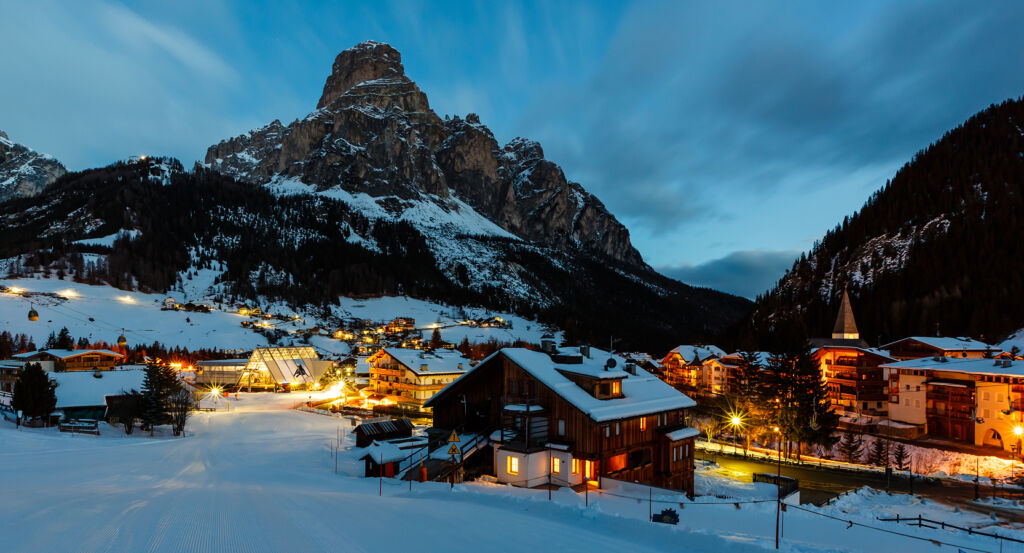
Set along one of Corvara's gentle central streets, close to cafés, ski stations, shops, and the soft hum of everyday life, the hotel stands as a classic Tyrolean-style lodge with wooden balconies, warm rooflines, bright flower boxes in summer, and snow-softened eaves in winter. Its presence is neither flashy nor imposing; instead, it radiates the familiar charm of a long-loved mountain home, the kind of place where hospitality is not a performance but a sincere continuation of family tradition. Step inside, and the warmth becomes unmistakable. The interior is a mosaic of natural wood, soft lighting, alpine textiles, carved details, and the kind of cozy seating areas that make you instinctively want to slow down. There is a lived-in authenticity to the spaces, lounges arranged for restful afternoons, corners perfect for reading or chatting, and windows framing views of the village or the surrounding Dolomite cliffs glowing with changing light. Rooms at Hotel Maria, Corvara continue this grounding, home-like aesthetic. Expect wooden furnishings, warm duvets, gentle color palettes, and windows or balconies that open onto quiet village scenes, meadows, or the grand limestone silhouettes of the surrounding peaks. Some rooms feel delightfully classic; others lightly refreshed, but all share the same resonant softness, the sense that these spaces were created for true rest. Bathrooms are bright, clean, and functional, offering warm tiles, glass showers or tubs, and amenities tailored for skiers, hikers, and travelers who return each evening pleasantly tired from fresh mountain air. Dining is an essential part of the hotel's charm, reflecting Ladin and Tyrolean culinary heritage with heartfelt authenticity. Expect comforting dishes like canederli dumplings, barley soups, Schlutzkrapfen, creamy polenta with rich alpine cheeses, roasted meats, fresh pastas, vegetable dishes shaped by seasonality, and desserts crafted from apples, berries, nuts, chocolate, and cream. The dining room is softly lit and wood-lined, offering an atmosphere that encourages slow meals, local storytelling, and the easy warmth that defines genuine mountain hospitality. Breakfast is generous and grounding: breads, pastries, crostate, jams, honey, cereals, yogurt, fruit, eggs, cheeses, cured meats, and strong Italian coffee served with morning calm. In winter, Hotel Maria becomes a seamless, comforting base for skiing the Dolomites. The lifts leading into the Sellaronda are just a short walk away, making it easy to move from breakfast into a world of panoramic slopes, forest runs, ridge lines, and gentle meadows bathed in winter light. Corvara takes on a magnetic stillness in winter, snow settling on balconies, bells echoing through crisp air, and the dramatic peaks of the Dolomites glowing pink at dusk. Returning to the warm embrace of the hotel afterward feels like stepping into calm itself. In summer, the property transforms into a restful haven for hikers, cyclists, and travelers seeking the quieter side of the Dolomite experience.
What you did not know about Hotel Maria, Corvara.
Hotel Maria, Corvara stands on land shaped by centuries of Ladin agricultural tradition, community cooperation, and the gradual transformation of a once-remote alpine village into one of the Dolomites' most beloved destinations.
Before hotels existed here, this area was part of Corvara's meadow system, flat and sunlit ground used for haymaking, livestock movement, and community gathering. Wooden barns once filled this central zone, constructed with traditional Ladin techniques: stone foundations, larch beams, slatted walls designed to ventilate hay, and steep roofs built to withstand heavy snow. These barns were not only functional but symbolic, representing survival, resilience, and the cooperative spirit of mountain families. The land beneath Hotel Maria also formed one of the village's early footpath networks. Villagers traveled these paths daily, carrying milk, cheese, wool, herbs, grain, and firewood between scattered farmsteads. These same paths connected Corvara to neighboring hamlets like Colfosco and La Villa, creating an interwoven cultural fabric that has survived for centuries. In winter, when deep snow made ordinary travel impossible, families used handmade wooden skis to traverse these slopes. Skiing began here out of necessity, enabling villagers to reach barns, deliver hay, check livestock, and maintain vital social ties despite challenging conditions. The gentle terrain around present-day Hotel Maria would have seen these daily tracks carved into the snow. The valley's transformation accelerated in the early 20th century, when mountaineers discovered the dramatic limestone towers surrounding Corvara. Tourism arrived, slowly at first, then steadily growing as the world's fascination with the Dolomites expanded. In 1938, Corvara installed one of the first chairlifts in the region, marking a historic turning point that allowed mountain recreation to flourish. Over the decades, barns were repurposed or replaced, homes expanded, and the agricultural village gradually became an alpine destination. When Hotel Maria emerged, it carried forward the valley's cultural identity, blending the practicality and warmth of Ladin tradition with the needs of modern mountain travelers. Its architecture reflects the forms that once characterized Corvara, natural wood, traditional lines, mountain silhouettes. Its cuisine honors the agricultural roots of the valley, built around local grains, dairy, vegetables, herbs, and preserved foods. Even its placement has symbolic continuity: this area served as a gathering place for centuries, a spot where villagers met, worked, and shared resources. Today, beneath its home-like, welcoming exterior, Hotel Maria, Corvara rests on land shaped by pastoral endurance, cultural heritage, winter survival, and the extraordinary evolution of Alta Badia from remote hamlet to internationally treasured alpine refuge.
How to fold Hotel Maria, Corvara into your trip.
Hotel Maria, Corvara becomes the warm, grounding, intimate heart of your Dolomites journey, where mornings begin with generous breakfast and soft mountain light, days unfold into alpine exploration, and evenings settle into comfort, tradition, and heartfelt hospitality.
Start the winter morning with pastries, crostate, breads, cheeses, cured meats, eggs, yogurt, fruit, cereals, and strong Italian coffee before walking to the nearby lifts that connect directly to the Sellaronda. Spend your day skiing panoramic bowls, gentle meadows, dramatic ridge lines, and forest trails framed by towering limestone peaks. Return to the hotel for warmth, a hearty dinner, or the peaceful silence of a snow-covered village at dusk. In summer, begin your day with crisp air drifting through your window before hiking into the Puez-Odle mountains, cycling renowned passes, walking wildflower meadows, or exploring Corvara at a relaxed pace. Spend afternoons resting on balconies, sipping spritzes in the sun, reading in cozy corners, or simply watching the Dolomites glow gold in the evening light. Evenings unfold with Ladin dishes, quiet conversation, and the grounding warmth of a family-run lodge that feels like a second home. Wake restored, nourished, and emotionally anchored, ready for another day shaped by nature, culture, movement, and the soulful alpine presence of Hotel Maria, Corvara. It becomes not just where you stay, but the heartfelt, memory-rich center of your entire Alta Badia experience.
Where your story begins.
Foresyte Travel reveals places that feel extraordinary long before you arrive.
Experience premium editorial crafted for luxury travelers.




















































































































