
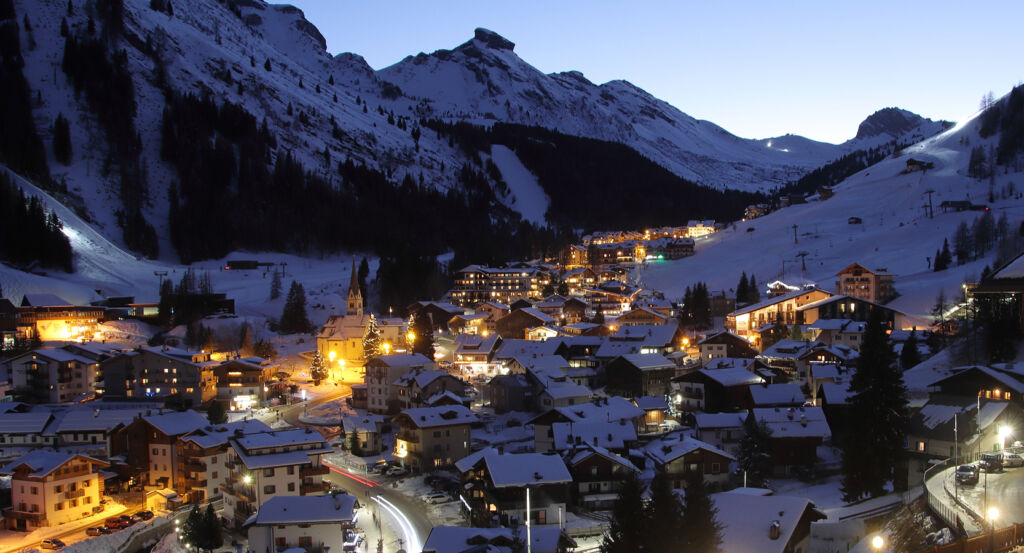
Why you should experience Hotel Portavescovo in Italy.
Hotel Portavescovo is where slope-side energy, classic alpine hospitality, and the dramatic presence of the Dolomites converge into a stay that feels effortless, lively, and deeply rooted in Arabba's mountain culture.
Set in a prime, sun-splashed position just steps from the lifts, where skiers clip in moments after breakfast, where the limestone towers of the Sella group rise like ancient guardians, and where mountain air carries the crisp scent of snow, spruce, and high-altitude quiet, the hotel stands as a quintessential alpine lodge built with warm natural wood, carved balconies, and the recognizable geometry of Dolomite architecture. Its façade feels familiar to anyone who loves mountains: inviting, comforting, and steeped in tradition. Step inside, and the atmosphere becomes even more robust and welcoming. Hotel Portavescovo blends classic Tyrolean design with the spirited warmth of a family-run alpine hotel, wood-paneled interiors, cozy seating corners, mountain textiles, soft lighting, and lively shared spaces where guests gather over après-ski drinks or unwind after long days outdoors. The energy here is warm, friendly, and social in that unmistakable Dolomite way. Rooms continue the alpine ambiance with simplicity and comfort. Expect wooden furnishings, warm duvets, soothing color palettes, and windows or balconies offering views of the surrounding slopes, peaks, or village rooftops. The design is traditional but cozy, the kind of space that feels safe and restorative after exploring the mountains. Bathrooms are modern, clean, and functional, featuring warm tiles, spacious showers or tubs, and amenities suited to relaxing sore muscles after a full day outside. Wellness is a central part of the Hotel Portavescovo experience. The spa area features saunas, steam baths, whirlpools, a heated pool, relaxation zones, and treatment areas, creating a gentle sanctuary where warmth, quiet, and recovery blend. It's a welcome contrast to the dynamic outdoor energy of skiing or hiking. Dining at Hotel Portavescovo is hearty, comforting, and deeply tied to both Ladin and Veneto alpine tradition. Expect generous multi-course meals with soups, handmade pastas, mountain vegetables, regional game dishes, roasted meats, alpine cheeses, and desserts made from chocolate, nuts, berries, and apples. The cuisine is warm, filling, and built to satisfy hungry adventurers. Breakfast is equally abundant: fresh pastries, breads, crostate, cereals, fruit, yogurt, cheeses, cured meats, eggs, vegetables, and strong Italian coffee fuel the day ahead. In winter, this hotel becomes one of Arabba's most strategic and convenient home bases. You step outside the building and you're essentially on the slopes, moments from the Porta Vescovo gondola, a gateway to some of the Dolomiti Superski region's steepest, most panoramic, and most thrilling terrain. From here, skiers can connect directly to the Sellaronda, to Marmolada's famed glacier runs, and to a network of bowls, glades, ridge-lines, and powder fields that span multiple valleys. After skiing, returning to Hotel Portavescovo feels effortless, guests drift into the wellness area, gather in the lounge, warm up with drinks, and savor the glow of a hotel designed around mountain life.
What you did not know about Hotel Portavescovo.
Hotel Portavescovo stands on land shaped by centuries of alpine trade, pastoral work, and mountain transit, land positioned at a crossroads where history, geography, and culture merged long before skiers carved their first turns.
Arabba has always been a frontier village. Positioned at the foot of the Passo Pordoi and within reach of Passo Campolongo, the area beneath the modern hotel served as a natural junction for traders, shepherds, and early travelers who moved goods between valleys. The land would have seen caravans carrying wool, cheese, salt, timber, and iron, products central to the Ladin economy. Villagers made seasonal journeys across the passes, linking Ladin-speaking communities to Venetian merchants and Alpine markets. Agriculture played an equally defining role. The slopes and meadows around Hotel Portavescovo were used for haymaking, among the most essential and labor-intensive parts of valley life. These meadows were cut by hand, dried in the summer sun, and stored in barns built with alpine technique: stone foundations to resist frost, slatted larch walls to ventilate hay, and steep roofs designed for heavy snow. Without hay stored in these barns, survival through winter would have been impossible. The property also sat near historic footpaths used daily by villagers for centuries. These routes connected farmhouses, pastures, churches, and neighboring valleys. Villagers carried milk, cheese, firewood, herbs, tools, and wool across these paths, forming a social and economic lifeline long before proper roads reached Arabba. In winter, long before skiing existed in its modern form, these slopes were crossed using handmade wooden skis, essential for survival. Carved from local wood, these skis helped villagers reach barns buried in snow, check on livestock, deliver hay, and maintain community contact. The land below the hotel once echoed with the quiet, rhythmic glide of these primitive skis, the earliest ancestors of the sport that would one day define Arabba. The transformation of the region began in the late 19th and early 20th centuries when early mountaineers and explorers documented the dramatic formations of the Sella and Marmolada. Small inns and guesthouses sprang up, and by the mid-20th century, the rise of skiing brought profound change. Arabba's location, right at the gateway of the Sellaronda, made it a natural center of alpine tourism. Hotel Portavescovo was built in this era of transformation, embodying the values of Ladin hospitality while embracing the growing excitement of ski culture. Its name reflects its proximity to the Porta Vescovo slopes, a mountain sector renowned for its steep runs, its panoramic lines, and its deep connection to Dolomite skiing history. Beneath its inviting lobby, lively après-ski energy, and warm alpine architecture, Hotel Portavescovo rests on ground shaped by trade, hayfields, survival routes, and the daily endurance of Ladin families who lived in harmony with the land long before tourism arrived.
How to fold Hotel Portavescovo into your trip.
Hotel Portavescovo becomes the energetic, slope-side, convenience-driven heart of your Dolomites journey, where mornings begin with generous breakfasts, days unfold into world-class skiing or hiking, and evenings settle into wellness, warmth, and a lively alpine setting.
Start the winter morning with pastries, breads, cheeses, cured meats, eggs, yogurt, fruit, cereals, vegetables, and strong Italian coffee before stepping almost directly onto the lifts leading into the Dolomiti Superski network. Spend your day skiing panoramic bowls, steep descents, high-altitude traverse routes, and scenic corridors threading through the Sellaronda. Return to the hotel for sauna heat, poolside rest, après-ski drinks, and dinners filled with hearty alpine flavors. In summer, begin with crisp mountain air drifting through your window before hiking toward the Pordoi ridgelines, cycling renowned passes, or exploring Arabba's peaceful village paths. Spend afternoons relaxing on balconies, reading in quiet lounges, resting in the wellness area, or savoring a spritz in the warm light of the valley. Evenings unfold with regional dishes, soft conversation, mountain twilight, and the cozy hum of guests reminiscing about the day's adventures. Wake restored, energized, and deeply connected, ready for another day of movement, nature, culture, and the spirited ease of Hotel Portavescovo. It becomes not just where you stay, but the slope-side, memory-rich center of your entire Arabba experience.
Where your story begins.
Foresyte Travel reveals places that feel extraordinary long before you arrive.
Experience premium editorial crafted for luxury travelers.




















































































































