
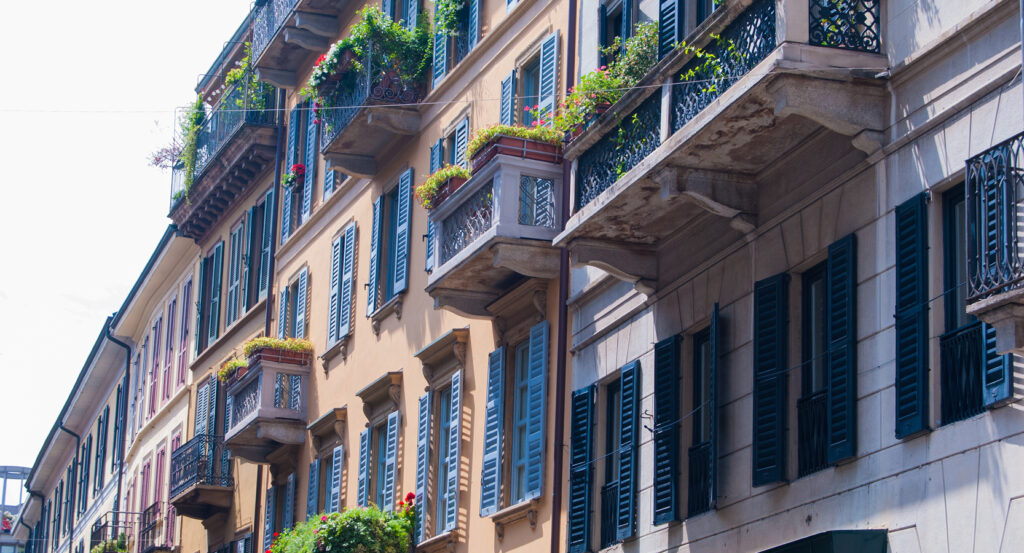
Why you should experience Mandarin Oriental in Milan, Italy.
Mandarin Oriental in Milan is where Eastern serenity meets Milanese sophistication, where contemporary luxury blends with historic elegance, and where stepping inside feels like entering a sanctuary of calm, refinement, and world-class artistry tucked within one of the city's most prestigious districts.
Spread across four beautifully restored 18th-century buildings along Via Andegari, the hotel reveals itself quietly, through elegant facades, wrought-iron balconies, and architectural symmetry that respects Milan's noble heritage. Step through the doors and the transformation is immediate: soft lighting, sculptural furniture, lacquered wood, marble surfaces, curated modern art, and a serene, almost meditative ambiance that feels distinctly Mandarin Oriental yet unmistakably Milanese in its sophistication. Rooms and suites fuse Italian design flair with Asian sensibility. Expect warm neutrals, plush fabrics, handcrafted furnishings, parquet flooring, and a level of meticulous detailing that feels almost couture. Floor-to-ceiling windows illuminate each room with Milan's golden light, framing views of courtyards, rooftops, or the quiet elegance of the fashion district. Bathrooms are luxurious, spa-like spaces in marble and stone, deep soaking tubs, walk-in rain showers, double vanities, heated floors, and premium amenities crafted for relaxation and ritual. Suites elevate the experience: expansive living rooms, private terraces, custom artwork, dressing rooms, book-lined corners, and layouts that feel like refined Milanese residences shaped by master designers. The Mandarin Oriental Spa, among Milan's finest, is a temple of tranquility. Soft scents, candlelit corridors, holistic Eastern therapies, Italian beauty rituals, vitality pools, saunas, steam rooms, and a state-of-the-art fitness center create a deeply restorative world apart from the city. The indoor pool, with emerald stone, warm lighting, and quiet reflections, is a masterpiece of atmospheric wellness. Dining at Mandarin Oriental is an experience of its own. The hotel is home to Seta, the two-MICHELIN-star restaurant led by chef Antonio Guida, where contemporary Italian cuisine meets artistic precision. The courtyard setting, airy, intimate, and bathed in soft daylight, feels like dining inside a private Milanese palazzo. Mandarin Bar & Bistrot offers sophisticated all-day dining, craft cocktails, and a cosmopolitan energy that flows effortlessly from lunch to aperitivo to late-night elegance. Service is polished, intuitive, and anchored in the brand's hallmark hospitality. Staff embody a gentle warmth, anticipating preferences, personalizing experiences, and moving with the quiet confidence of a team trained at the highest levels of luxury hospitality. The location is exceptional. Tucked between La Scala, the Quadrilatero della Moda, and Brera, the hotel places you steps from couture boutiques, iconic cultural landmarks, elegant cafés, historic churches, and Milan's most atmospheric streets. Mandarin Oriental in Milan is serene, refined, architectural, gastronomic, soulful, and ideal for travelers who want luxury rooted in both Eastern harmony and Milanese sophistication, a calm, elegant escape in the beating heart of the city.
What you should know about Mandarin Oriental in Milan.
Mandarin Oriental in Milan sits on land shaped by centuries of noble residences, artistic enclaves, intellectual circles, and Milan's transformation from aristocratic capital to global fashion powerhouse, making its address one of the most historically layered in the city.
In the 1700s, this block of Via Andegari was part of a grid of elegant private estates owned by Milan's noble families. The land beneath the hotel once formed part of a sprawling residential compound with gardens, stables, and service houses maintained by the aristocracy. A lesser-known detail: the narrow streets around Via Andegari were historically lined with artisan workshops tied to the nearby Brera district. Goldsmiths, sculptors, leatherworkers, and musicians lived and worked just steps from the site, creating an early creative ecosystem that predated Milan's modern design identity. During the 19th century, the district became a hub for intellectual and musical life. With La Scala nearby, the area hosted composers, performers, and critics who frequented salons and cafes. Some historians suggest that early musical circles met in buildings adjacent to where the hotel now stands. In the early 20th century, the site transitioned into a refined residential complex, retaining much of its aristocratic layout, courtyards, interconnected buildings, and internal gardens. When Mandarin Oriental acquired the property, engineers conducted extensive archaeological and architectural studies. Beneath modern flooring, they discovered remnants of 18th-century foundations, terracotta drainage lines, hand-carved stone fragments, and sections of original load-bearing walls from the earliest palazzo structures on the site. The hotel's interconnected structure, four buildings unified into one, mirrors the original estate layout, preserving the proportions and courtyards that once defined the noble residence. Certain façade elements and internal structural rhythms were intentionally restored to honor the heritage of the land. Another hidden historical thread: Via Andegari's name traces back to the Andegari family, an aristocratic lineage that shaped this area's early urban identity. The hotel stands on their ancestral grounds. Today, Mandarin Oriental in Milan is among the few luxury hotels in the city that occupies a set of fully restored 18th-century buildings, making it not just a property, but a living expression of Milan's noble, artistic, and cultural lineage.
How to fold Mandarin Oriental in Milan into your trip.
Mandarin Oriental in Milan becomes the tranquil, elegant, gastronomic anchor of your journey, where mornings begin in soft serenity, afternoons unfold through cultural icons and couture streets, and evenings settle into MICHELIN-starred brilliance and the warm glow of Milanese nights.
Start the morning with breakfast in the courtyard or the refined dining room, fresh Italian pastries, seasonal fruit, artisanal cheeses, eggs cooked to order, and impeccable cappuccino. After breakfast, walk to La Scala or explore Brera's cobblestone streets, art galleries, boutiques, historic cafés, and artisan workshops that define Milan's creative identity. Continue into the Quadrilatero della Moda for couture browsing, concept stores, and the most elegant shopping streets in Italy. Return to the hotel for a midday retreat. Enjoy a swim in the atmospheric pool, unwind in the spa's relaxation zones, or simply sink into the quiet luxury of your room with the windows open to the gentle sounds of the courtyard. In the afternoon, visit the Duomo, the Galleria Vittorio Emanuele II, or Piazza San Fedele. Alternatively, keep it intimate, wander through hidden churches, elegant arcades, or local pasticcerie for an afternoon treat. As evening arrives, savor aperitivo at Mandarin Bar & Bistrot, beautiful cocktails, small bites, and an elegant crowd. Continue to Seta for dinner, where MICHELIN-starred refinement transforms Italian cuisine into an art form. After dinner, stroll through Brera's softly lit lanes or walk toward the iconic Teatro alla Scala to feel the cultural heartbeat of the city. Return to your room for a peaceful, luxurious wind-down, soft lighting, marble bath, warm textiles, and the serene hush of one of Milan's finest hotels embracing you.
Where your story begins.
Foresyte Travel reveals places that feel extraordinary long before you arrive.
Experience premium editorial crafted for luxury travelers.




















































































































