
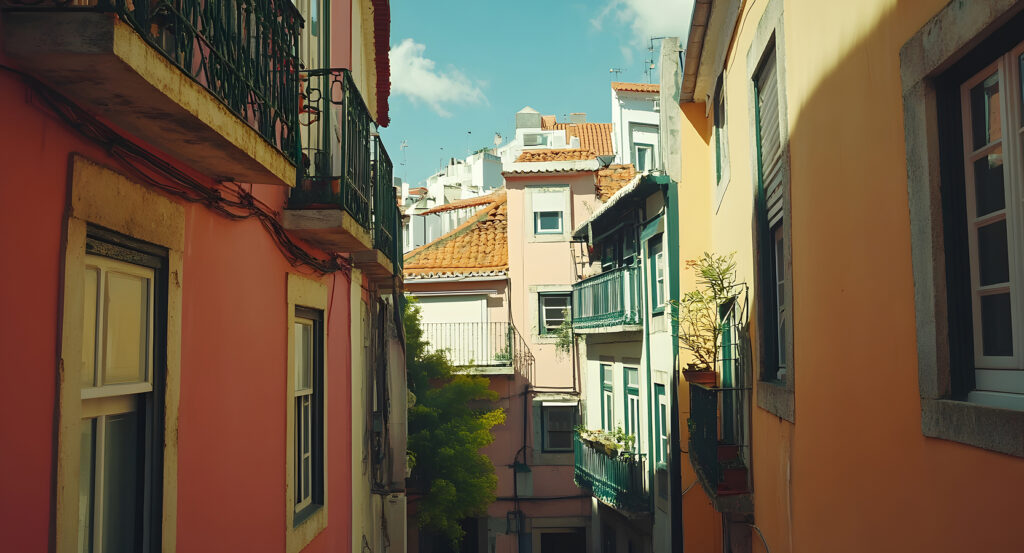
Why you should experience Hotel Riverside Alfama in Lisbon, Portugal.
Hotel Riverside Alfama is where Lisbon's riverfront beauty meets the poetic soul of Alfama, where centuries-old streets blend with bright, contemporary boutique comfort, and where stepping inside feels like entering a serene, light-filled refuge at the edge of the Tagus.
Set directly along the river-facing curve of Alfama, the hotel occupies a restored historic building whose clean façade, tall shuttered windows, and elegant lines reflect the city's maritime heritage. From the outside, it stands with understated charm; but once you step in, the atmosphere opens into a warm, modern sanctuary shaped by sunlight, soft colors, and refined simplicity. Smooth wooden floors, sculptural lighting, cozy seating areas, and a gentle palette of whites, sandy neutrals, and ocean blues create an immediate sense of calm that mirrors the river just beyond the door. Rooms and suites continue this serene aesthetic with an airy, contemporary softness. Expect plush bedding wrapped in crisp linens, elegant furnishings with coastal textures, curated Portuguese artwork, and windows framing tranquil views, either Alfama's terracotta rooftops climbing the hillside or the Tagus shimmering beneath shifting light. The combination of historic architecture and fresh, modern interiors gives each room a sense of place rooted in Lisbon's oldest neighborhood yet attuned to the comfort of today's traveler. Bathrooms are clean and modern with rainfall showers, stone or ceramic finishes, bright mirrors, sleek vanities, and amenities chosen for everyday indulgence. Higher-category rooms offer more space, enhanced views, and layouts that make waking up or winding down feel cinematic. The breakfast experience is intimate and inviting, fresh pastries, breads, fruit, yogurt, cereals, eggs, cheeses, charcuterie, and excellent Portuguese coffee served in a bright, peaceful dining room that looks toward the river or Alfama's ancient streets. It's the kind of slow morning ritual that sets the tone for a day of exploration. Throughout the day, the hotel's lounge areas offer quiet corners for reading, planning, or relaxing with a glass of wine. Service is warm, thoughtful, and genuinely attentive, with staff offering personalized recommendations for viewpoints, cafés, restaurants, tiled stairways, fado venues, and hidden corners throughout Alfama. Their local knowledge helps you experience the neighborhood beyond the typical tourist paths. And the location is exceptional. Hotel Riverside Alfama sits at the meeting point of Lisbon's oldest district and its riverfront promenade, steps from the Sé Cathedral, Santa Apolónia, Miradouro das Portas do Sol, the Fado Museum, tram lines tracing the waterfront, and narrow alleys that climb toward the castle. You're on the serene edge of the neighborhood yet moments from the most atmospheric and historically rich corners of Alfama. Hotel Riverside Alfama is warm, modern, tranquil, scenic, inviting, and ideal for travelers who want the perfect blend of riverfront calm and medieval charm in Lisbon's most soulful neighborhood.
What you should know about Hotel Riverside Alfama.
Hotel Riverside Alfama stands on land tied to centuries of maritime life, medieval urban growth, Roman engineering, and the multicultural history that shaped Lisbon's riverfront districts.
Long before Alfama became known for fado and winding alleys, the shoreline where the hotel now stands formed part of Roman Olisipo's riverfront infrastructure. Archaeological excavations conducted nearby uncovered fragments of Roman roads, warehouse foundations, ceramics, and drainage systems that fed into the Tagus, suggesting that this waterfront stretch played a role in early trade and storage. During the Islamic era (8th-12th centuries), this zone formed the lower edge of the medina, where fishermen, merchants, and shipbuilders lived and worked. The irregular streets behind the hotel still reflect these early settlement patterns, curved paths, tight alleyways, and abrupt stairways shaped by the natural slope. After the Christian reconquest in 1147, the area evolved into a vital working-class quarter tied to fishing, maritime trade, and crafts. The land where the hotel now sits hosted small workshops, storage houses, or simple family homes belonging to sailors and river workers. Because it was so close to the shoreline, the district became a hub for repairing nets, storing equipment, and preparing small boats for short-distance transport along the Tagus. When the 1755 earthquake struck Lisbon, the waterfront suffered both structural damage and flooding, but Alfama, built on rock, endured far better than Baixa. Buildings along the riverfront were repaired or reconstructed using a combination of medieval stone foundations and post-earthquake reinforcement techniques. During the hotel's modern renovation, teams uncovered layers of stone masonry, remnants of early domestic structures, and hints of industrial use, all reflecting the evolving relationship between Alfama and the river. A lesser-known historical thread: the stretch of riverfront outside the hotel was once lined with taverns and communal gathering spots known for early forms of fado. These places served fishermen, sailors returning from voyages, merchants unloading goods, and neighborhood residents who shaped Alfama's expressive musical identity. Throughout the 19th and early 20th centuries, the area continued to serve as a link between everyday life in the upper alleys and the maritime work along the river. As Lisbon began modernizing, the buildings near the water were gradually transformed from working docks into residential or commercial spaces, setting the stage for the boutique hospitality you experience today. Hotel Riverside Alfama thus occupies land that reflects Roman engineering, Moorish settlement, medieval maritime culture, and the creative, communal energy that shaped Alfama's character over centuries.
How to fold Hotel Riverside Alfama into your trip.
Hotel Riverside Alfama becomes the peaceful, scenic anchor of your Lisbon experience, where mornings begin with riverlight shimmering across the Tagus, afternoons unfold into medieval wanderings, and evenings settle into fado, wine, and the gentle rhythm of the waterfront.
Start the morning with breakfast overlooking the river before stepping outside to follow the Tagus along the promenade, quiet, breezy, and full of simple beauty. From there, wander into Alfama's serpentine streets, exploring the Sé Cathedral, climbing toward São Jorge Castle, or losing yourself among tiny stairways, tiled façades, and alleyways where the neighborhood's medieval character remains vivid and alive. Return to the hotel midday for a moment of calm before continuing your explorations. In the afternoon, visit the Fado Museum, wander into Mouraria, or take Tram 28 or the riverside tram toward Cais do Sodré and Baixa. Explore viewpoints like Portas do Sol and Santa Luzia, where Alfama's rooftops glow gold in the afternoon light. As evening approaches, enjoy a drink by the river or in the hotel lounge before heading into Alfama for dinner, traditional taverns, seafood kitchens, and intimate fado houses where voices rise between ancient walls. After dinner, stroll the lantern-lit alleys back to the hotel, the scent of grilled fish drifting through open windows and guitar notes echoing between the rooftops.
Where your story begins.
Foresyte Travel reveals places that feel extraordinary long before you arrive.
Experience premium editorial crafted for luxury travelers.














































































































