
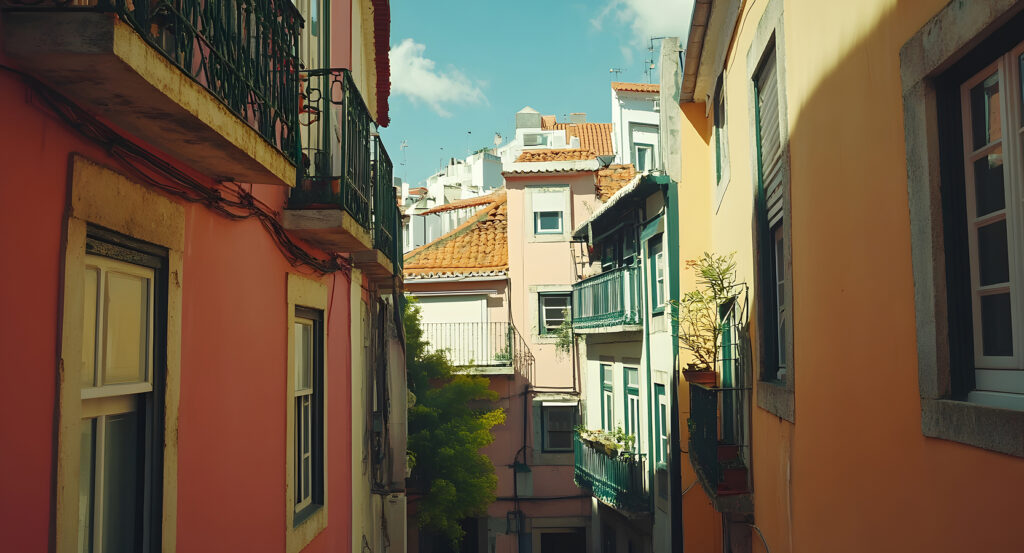
Why you should experience Hotel Museu in Lisbon, Portugal.
Hotel Museu is where Lisbon's archaeological heart meets modern boutique calm, where centuries of history sit just beneath your feet while contemporary comfort surrounds you, and where stepping inside feels like entering a bright, refined sanctuary built atop the very origins of the city itself.
Located in the Campo das Cebolas district, steps from the river, the Sé Cathedral, and the ancient slope leading into Alfama, the hotel blends seamlessly into one of Lisbon's most historically significant zones. From the outside, its clean, understated façade mirrors the elegance of the surrounding urban renewal: soft tones, tall windows, and simple geometric lines that nod to both Lisbon's modern architectural sensibilities and the traditional textures of the neighborhood. But once inside, the atmosphere opens into a sleek, curated world shaped by polished surfaces, sculptural lighting, warm woods, stone accents, and a soft, contemporary brightness that contrasts beautifully with the ancient city layers just below the surface. Rooms and suites reflect this refined, museum-inspired aesthetic. Expect plush bedding wrapped in crisp linens, minimalist furnishings accented with Portuguese textures, elegant headboards, curated art pieces inspired by Lisbon's archaeological heritage, and windows framing calming views, either toward the Tagus River, the terracotta rooftops of Alfama, or the neighborhood's pedestrian-friendly streets. The design is modern, cozy, and carefully composed to evoke serenity after a day of exploring Lisbon's hills. Bathrooms are clean, fresh, and contemporary, rainfall showers, illuminated mirrors, stone or ceramic finishes, sleek vanities, and amenities chosen for everyday luxury. Higher-category rooms offer more spacious layouts, enhanced natural light, and views that bring Lisbon's past and present together in one frame. Breakfast offers a gentle, welcoming start to the day. Fresh pastries, breads, fruit, yogurt, cereals, eggs, cheeses, charcuterie, and excellent Portuguese coffee are served in a bright, art-forward dining room that reflects the hotel's connection to Lisbon's cultural story. Throughout the day, the lounge spaces carry a relaxed, polished energy, perfect for reviewing maps, enjoying a drink, planning a walk, or pausing between explorations. Service is warm, thoughtful, and genuinely attentive. The staff offers tailored recommendations for Alfama viewpoints, archaeological sites, museums, fado houses, cafés, and walking routes. Their knowledge of the district's ancient history and modern vibrancy enriches the overall experience. The location is extraordinary for travelers who want Lisbon's oldest district at their doorstep. Hotel Museu sits between the Sé Cathedral, Casa dos Bicos, the Fado Museum, and the river promenade, with Alfama's medieval alleys rising just behind it. Tram lines pass nearby, the waterfront is seconds away, and Baixa's grand Pombaline avenues lie just across the street. It is a perfectly balanced setting: central but calm, historic but polished, urban but peaceful. Hotel Museu is modern, elegant, atmospheric, grounded, cultural, and ideal for travelers who want to stay at the convergence of Lisbon's ancient origins and its contemporary creative energy.
What you should know about Hotel Museu.
Hotel Museu stands on land layered with over two millennia of Lisbon's history, land tied to Roman ports, Moorish medinas, medieval warehouses, seismic reconstruction, and centuries of riverfront transformation.
The very ground beneath the hotel was once part of the Roman port of Olisipo. Archaeological excavations conducted throughout Campo das Cebolas revealed remnants of Roman warehouses, ceramic workshops, commercial docks, and drainage channels that supported Lisbon's early maritime trade. Pottery fragments, amphorae, coins, and stone foundations were found in the immediate area, suggesting that this stretch of riverfront was a key crossroads of the ancient city. During Islamic rule from the 8th to the 12th century, the district became part of the extended Moorish medina, tied to the citadel that crowned the hill above. The neighborhood's earliest street patterns, curved, narrow, and organically shaped, originated from this period, following natural contours. After the Christian reconquest in 1147, the area transformed into a vital zone for maritime commerce. The land where Hotel Museu now stands was filled with warehouses, ship repair spaces, fisherman dwellings, storage houses, and guild structures that served Lisbon's rapidly expanding trade network. By the 16th century, the Sousa Martins Palace and various riverfront Renaissance buildings populated the area, reflecting Lisbon's Golden Age of global exploration. The waterfront became busier, wealthier, and more architecturally ambitious. When the 1755 earthquake struck, Campo das Cebolas was hit hard by both ground tremors and tsunami waters. Much of the area was destroyed, and reconstruction followed a mix of Pombaline engineering and pragmatic rebuilding atop ancient foundations. During the modern urban renewal project that revitalized the district, archaeologists conducted extensive digs. They uncovered everything from Roman walls to medieval storage pits, Moorish ceramics, post-earthquake structural repairs, and early modern waterfront infrastructure. These findings directly influenced how buildings, including Hotel Museu, were restored and reinforced. A lesser-known layer: Casa dos Bicos, steps from the hotel, served as the warehouse of the Portuguese Jewish community before the Inquisition era, linking the entire district to a significant chapter in Lisbon's multicultural past. Another thread: the hotel sits near one of the earliest documented fish markets in Lisbon, a thriving medieval hub where local communities lived and traded for centuries. Today, Hotel Museu is part of a carefully preserved archaeological corridor that protects Lisbon's layered heritage while welcoming modern visitors into the rhythm of the city's oldest stories.
How to fold Hotel Museu into your trip.
Hotel Museu becomes the calm, contemporary anchor of your Lisbon adventure, where mornings begin with riverlight on ancient stones, afternoons drift into medieval wanderings, and evenings settle into fado, wine, and the atmospheric glow of Alfama's waterfront.
Start the morning with breakfast in the bright dining room before stepping outside toward the Sé Cathedral, whose weathered façade and solemn bells define the heart of old Lisbon. Wander through Alfama's winding alleyways, climb toward São Jorge Castle, or follow the river to Casa dos Bicos to explore its archaeological exhibits. Return to the hotel midday for a rest in your airy room or a quiet moment in the lounge. In the afternoon, head to the Fado Museum, explore the waterfront promenade, or walk into Baixa for Pombaline architecture, cafés, and elegant squares. If you prefer something scenic, ride Tram 28 up the hill toward Graça's viewpoints or wander into Mouraria for a different cultural perspective. As evening arrives, begin with a stroll along the Tagus, watching the sunset behind the 25 de Abril Bridge. Then step into Alfama for dinner, traditional taverns, seafood kitchens, and intimate fado houses alive with emotion and music. Afterward, wander gently back to Hotel Museu under lantern-lit streets, the river shimmering nearby and the cathedral glowing softly against the night.
Where your story begins.
Foresyte Travel reveals places that feel extraordinary long before you arrive.
Experience premium editorial crafted for luxury travelers.














































































































