
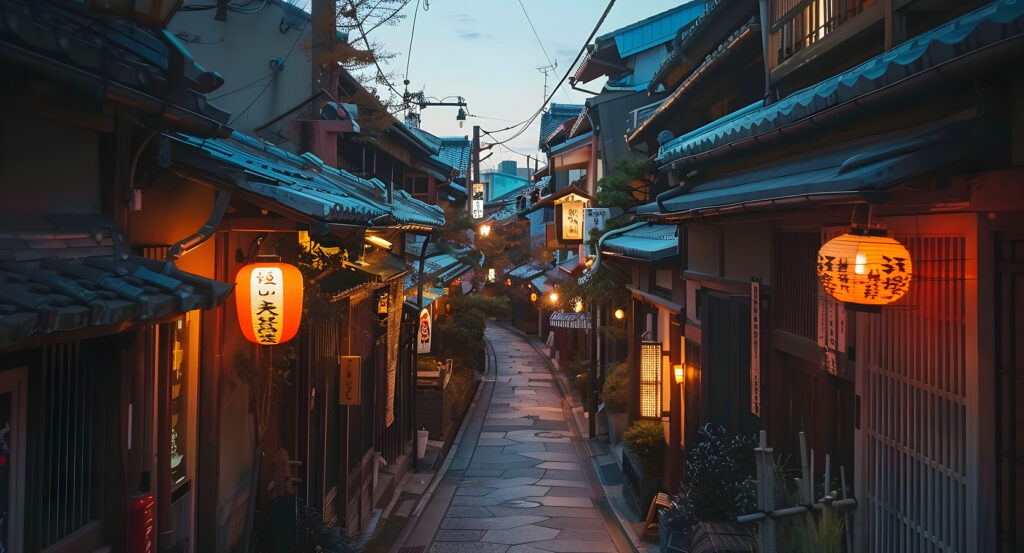
Why you should experience Ace Hotel Kyoto in Kyoto, Japan.
Ace Hotel Kyoto is Kyoto engaged through culture, conversation, and lived-in creativity rather than reverence or restraint, a hotel that places you inside the city's contemporary nervous system without asking you to abandon its historical gravity.
Set within the former Kyoto Central Telephone Office building near Karasuma Oike, the hotel occupies a location that is symbolically and practically central. This is a district where government buildings, design studios, cafés, galleries, and everyday routines overlap quietly, and Ace steps into that context. Arrival feels intentional and urban. You do not enter a hushed sanctuary or a theatrical lobby. Instead, you walk into a space already in motion, where locals and guests blur together, conversations hum, and the hotel feels like an active room within the city. Architecture and interiors are layered. Wood, concrete, textiles, and graphic elements coexist without hierarchy, creating an atmosphere that feels assembled over time instead of curated all at once. Public spaces are expansive and social by design. The lobby, café, and communal areas function as gathering points. People work, meet, read, talk, and linger here. There is a deliberate absence of formality. The hotel trusts that culture emerges from use, not from control. Guest rooms extend this character into a more private register. Rooms are generous in size and feel intentionally relaxed. Beds are comfortable and grounding, designed for real sleep. You sense immediately that rest matters here, even within a hotel that celebrates movement and energy. Windows frame city streets, rooftops, and daily life, reinforcing that you are not removed from Kyoto but actively embedded in it. Furniture choices feel personal. Desks invite writing or working, seating encourages lingering, and storage allows you to unpack and inhabit the room instead of hovering on the edge of departure. Materials are tactile and forgiving, surfaces meant to be used. Lighting is warm and adaptable, allowing the room to shift from daylight productivity to evening calm. Bathrooms are straightforward and confident. Layouts prioritize ease of use, water pressure is consistent, and finishes feel durable. Daily routines remain uninterrupted, which matters in a hotel that expects guests to move fluidly between inside and outside, rest and engagement. Dining and social spaces are central to the Ace experience. The hotel's cafés, bars, and restaurants act as extensions of Kyoto's creative and culinary ecosystem rather than destinations cut off from it. Food here feels intentional but unpretentious, rooted in quality and atmosphere. You are as to sit next to a local designer as a traveler passing through, and that proximity feels natural. Service throughout the hotel is relaxed, informed, and present. Interactions feel conversational. Staff move comfortably between guests and locals, offering guidance when needed and space when not.
What you should know about Ace Hotel Kyoto.
Ace Hotel Kyoto was developed with the intention of translating Kyoto's deep respect for craft, continuity, and community into a contemporary language.
The choice to inhabit the former telephone office was not aesthetic theater but conceptual alignment. The building historically functioned as a node of communication, connection, and exchange, and the hotel preserves that role in a modern form. Rather than erasing the structure's past, designers allowed its proportions, materials, and industrial logic to inform the hotel's layout. Public spaces were conceived as active commons rather than controlled environments, encouraging spontaneous use and overlap between guests and locals. Materials were selected for honesty and durability, favoring textures that age and mark. Guest rooms were designed around real patterns of use. Observations of how people actually live in rooms, working, sleeping, listening to music, hosting conversations, informed decisions about layout, lighting, and furniture placement. Lighting systems prioritize warmth and adaptability, supporting both productivity and rest. Bathrooms were intentionally kept simple, emphasizing reliability and ease. Culinary and retail elements were integrated early in the project, not as amenities but as cultural interfaces, places where the hotel opens outward into the city. Operational culture reflects this philosophy. Staff are trained to be fluent in both hospitality and local context, moving easily between roles. Interactions are grounded and human, allowing the hotel to function as a social environment. Over time, Ace Hotel Kyoto has become a gathering place not only for travelers but for Kyoto residents, a sign that it has succeeded in embedding itself. In a city where many accommodations lean heavily into heritage symbolism or international luxury codes, Ace stands apart by treating Kyoto as a living culture that continues to evolve.
How to fold Ace Hotel Kyoto into your trip.
Ace Hotel Kyoto works best when you let it function as a social and cultural anchor, a place you move through repeatedly.
Begin mornings slowly, spending time in the café as the city wakes up around you. Walk outward from the hotel toward Karasuma, Oike, and the Kamo River, using the central location to orient yourself. Because the hotel sits at a crossroads of transit and walkable neighborhoods, you can pivot easily between districts like Gion, Higashiyama, and downtown. Returning midday feels natural here. Come back to work, rest briefly, or simply sit among the activity before heading out again. Afternoons lend themselves to layered exploration, galleries, bookshops, side streets, and cafés reveal themselves when you are not racing a schedule. Evenings belong to the hotel as much as the city. Meet friends or strangers in the bar, attend events, or step out for dinner knowing the energy continues when you return. Late nights feel contained rather than isolating because the hotel maintains a sense of life without chaos. Ace Hotel Kyoto pairs especially well with repeat visits, longer stays, creative work trips, and travelers who want to feel embedded in a city. By the time you leave, Kyoto will feel less like a sequence of landmarks and more like a network of relationships, spaces, and rhythms, and the hotel will feel like one of the rooms where that understanding took shape. In a destination often framed through restraint and reverence, Ace Hotel Kyoto offers a different truth, that respect for place can coexist with vitality, that history can support modern life, and that staying somewhere can be an act of participation.
Where your story begins.
Foresyte Travel reveals places that feel extraordinary long before you arrive.
Experience premium editorial crafted for luxury travelers.

















































































































