Why you should experience Alton Road in Miami, Florida.
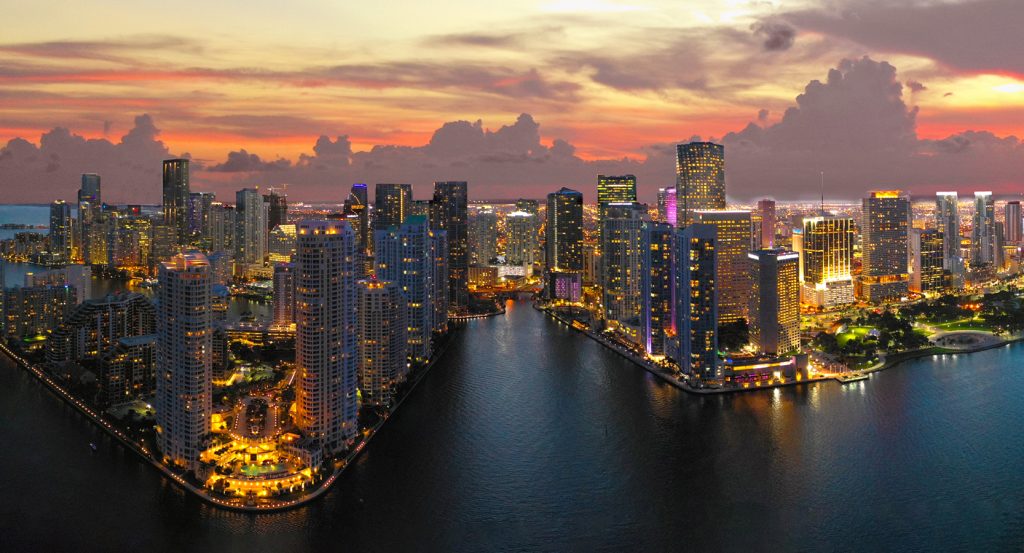
Alton Road is an animated corridor where South Beach's architectural legacy, island connectivity, neighborhood commerce, and waterfront character converge along one of Miami Beach's most essential thoroughfares.
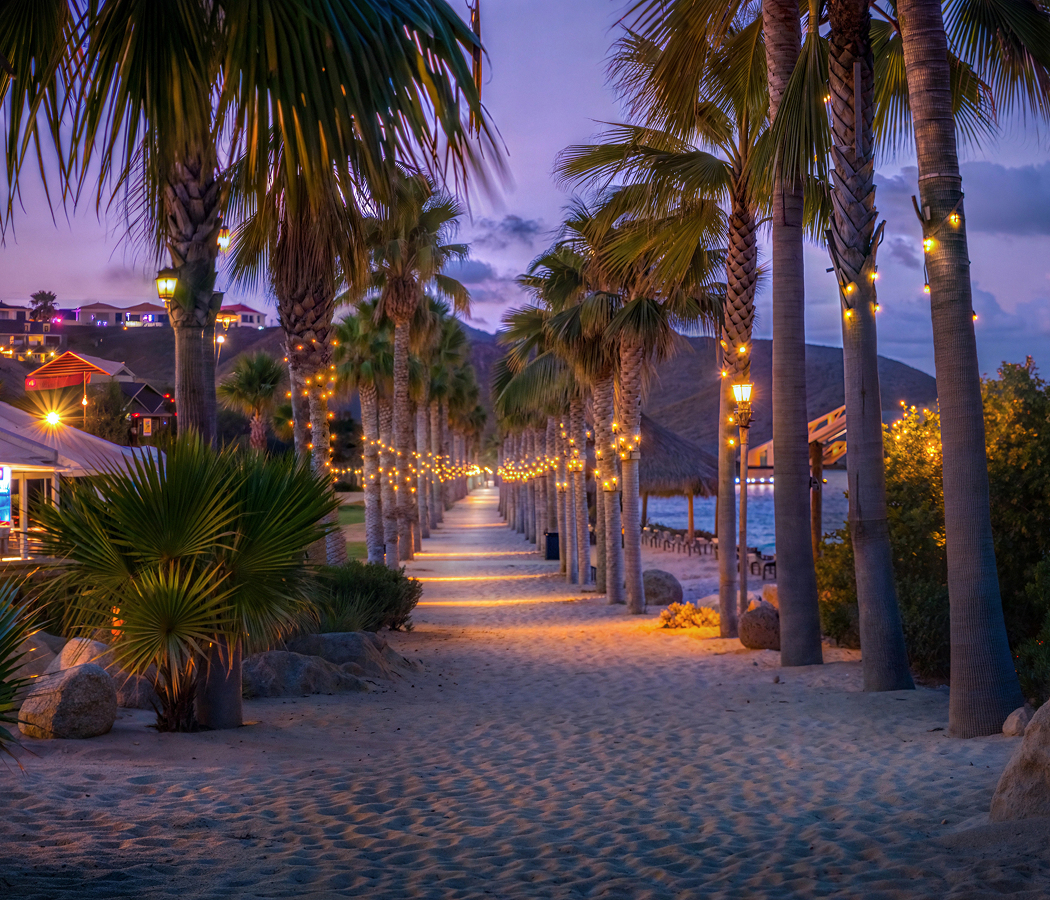
Running through South Beach between South of Fifth and Mid-Beach, the corridor parallels Biscayne Bay while linking historic neighborhoods, waterfront parks, residential districts, neighborhood shopping areas, and major causeways that collectively reflect Miami Beach's evolution from a barrier-island resort into a thriving coastal city. Mature royal palms, landscaped medians, Miami Modern architecture, and an active pedestrian environment create a streetscape where transportation, commerce, and neighborhood life remain closely intertwined. Throughout the corridor, longstanding institutions, independent businesses, thoughtfully designed public spaces, and subtropical vegetation reinforce an environment shaped through more than a century of continuous growth. The result is an experience defined by architectural character, neighborhood vitality, and one of Miami Beach's most enduring corridors.
What you should know about Alton Road.
Alton Road is best known as the western transportation spine of Miami Beach, extending 6 miles as State Road 907 while connecting South Beach with Mid-Beach and serving as a principal approach to the MacArthur Causeway, Julia Tuttle Causeway, and the barrier island's regional roadway network. The corridor traces portions of Miami Beach's earliest urban expansion following Carl G. Fisher's development campaigns during the 1910s and 1920s, when dredging, land reclamation, and bridge construction transformed a sparsely inhabited barrier island into an emerging coastal city. Successive decades introduced Mediterranean Revival commercial buildings, Art Deco apartment houses, Miami Modern residential towers, and contemporary mixed-era development, creating an architectural record that spans nearly every major phase of Miami Beach's twentieth-century growth. Architects including Henry Hohauser, L. Murray Dixon, Morris Lapidus, Norman Giller, and Melvin Grossman contributed influential buildings within the surrounding streetscape, establishing a remarkable concentration of design that reflects Miami Beach's internationally recognized architectural heritage. Reinforced concrete bridges, hurricane-resistant utility systems, landscaped medians, tidal drainage infrastructure, and mature royal palms demonstrate the engineering, materials, and subtropical landscape that continue supporting one of the island's busiest transportation corridors.
Historic synagogues, churches, and civic institutions established throughout the twentieth century demonstrate how Alton Road evolved into a year-round neighborhood corridor serving permanent residents alongside Miami Beach's growing visitor economy. Mount Sinai Medical Center, founded in 1949, expanded through successive additions that reinforced the corridor's importance beyond transportation by establishing one of South Florida's leading healthcare campuses within Mid-Beach. Architectural details including breeze-block screens, terrazzo entrances, ribbon windows, decorative stucco, and shaded arcades remain visible across commercial and residential buildings, preserving construction techniques that defined successive generations of South Florida design. Together, these enduring institutions, architectural traditions, and evolving streetscapes demonstrate how Alton Road connects more than a century of Miami Beach history while maintaining a continuous relationship between community life, architectural heritage, and island identity.
How to fold Alton Road into your trip.
Alton Road works as an exploration of Miami Beach's architecture, green spaces, and waterfront culture.
Begin at Flamingo Park, where mature trees, recreational facilities, and historic public spaces introduce one of South Beach's most beloved neighborhood landscapes before following Alton Road north. Continue to Lincoln Road, whose celebrated pedestrian promenade, contemporary galleries, and distinguished retail architecture broaden the appreciation for Miami Beach's cultural and commercial evolution. Conclude at South Pointe Park, where expansive waterfront pathways, Government Cut views, and sweeping panoramas across the Atlantic Ocean provide the culminating reward by revealing the coastal setting that shaped Miami Beach's development. The progression moves naturally from neighborhood parkland through a celebrated pedestrian district before concluding beside the Atlantic shoreline, revealing how Alton Road connects community history, architectural heritage, and the island's enduring waterfront identity.
Where your story begins.
Foresyte Travel reveals places that feel extraordinary long before you arrive.
Experience premium editorial crafted for luxury travelers.