Why Barnes Foundation matters.
Barnes Foundation in Philadelphia is not merely a museum, it's a revelation, a private vision of beauty made public, where art feels intimate, alive, and rebelliously human.
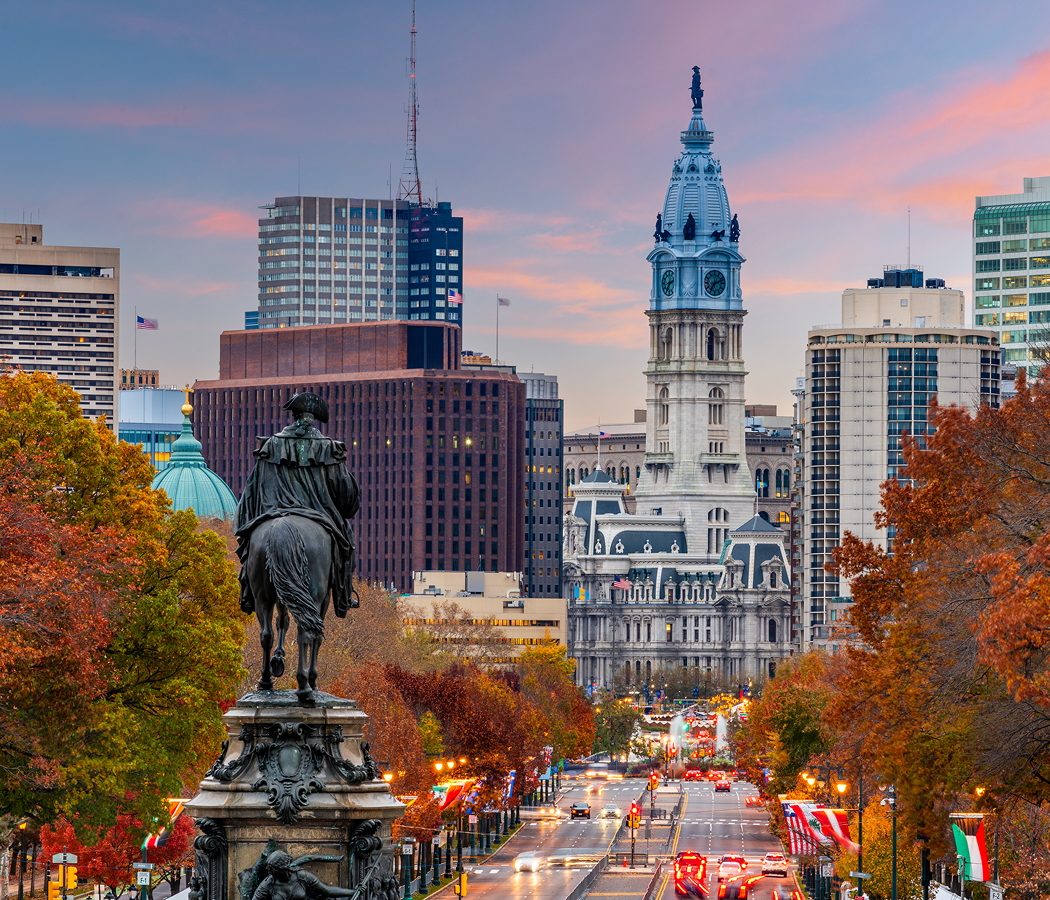
From the moment you enter its sleek, light-filled building on the Benjamin Franklin Parkway, the experience feels different, less like a gallery and more like stepping into a mind in love with form, color, and emotion. Dr. Albert C. Barnes, a chemist-turned-collector with a maverick spirit, built one of the most astonishing art collections in the world, assembling masterworks by Renoir, Cézanne, Matisse, Picasso, and Van Gogh with an eye for harmony. Inside, paintings hang not by period or fame but by visual dialogue, a Renoir beside an African sculpture, a Cézanne echoing a wrought-iron hinge. The result is a dramatic symphony of connections that dissolves boundaries between fine art and craftsmanship. Walking through its rooms feels like participating in a living conversation, light, line, and texture speaking across centuries. The atmosphere is hushed but charged, every wall vibrating with balance and rhythm. The Barnes isn't just an art museum; it's an awakening of perception, a place that reminds you how to truly see.
What defines Barnes Foundation.
Behind the serene galleries and glowing canvases lies one of the most fascinating and controversial stories in the art world, a tale of vision, rebellion, and legacy that reshaped how art is experienced.
Albert Barnes, born in 1872 to a working-class Philadelphia family, made his fortune developing an antiseptic called Argyrol. With his wealth, he turned his passion for education into a mission: to teach people, not just the elite, how to understand and feel art. In 1922, he founded Barnes Foundation in Merion, Pennsylvania, where the collection remained for decades, open mainly to students and scholars. His arrangement of works, known as “ensembles,” defied traditional curating; paintings, furniture, and decorative objects were placed together to reveal recurring shapes, tonal relationships, and motifs. After Barnes's death in 1951, his will strictly forbade the relocation or reorganization of the collection. Yet decades of legal battles and financial strain led to its controversial move to Center City in 2012, an act that divided critics and admirers alike. Still, the museum's architects, Tod Williams and Billie Tsien, recreated the original rooms with meticulous precision, preserving the spatial intimacy and golden light of Merion while opening the doors to millions. Few visitors realize that the Foundation still operates according to Barnes's educational philosophy, through art appreciation courses and community outreach that honor his belief that art's value lies in feeling, not fame. The collection itself remains one of the most valuable on earth, with over 180 Renoirs, 69 Cézannes, and 60 Matisses, yet what truly distinguishes it is its spirit of defiance, its insistence that beauty belongs to everyone.
How Barnes Foundation fits.
Visiting Barnes Foundation is less an activity than an experience, a quiet, meditative pilgrimage that rewards presence, patience, and curiosity.
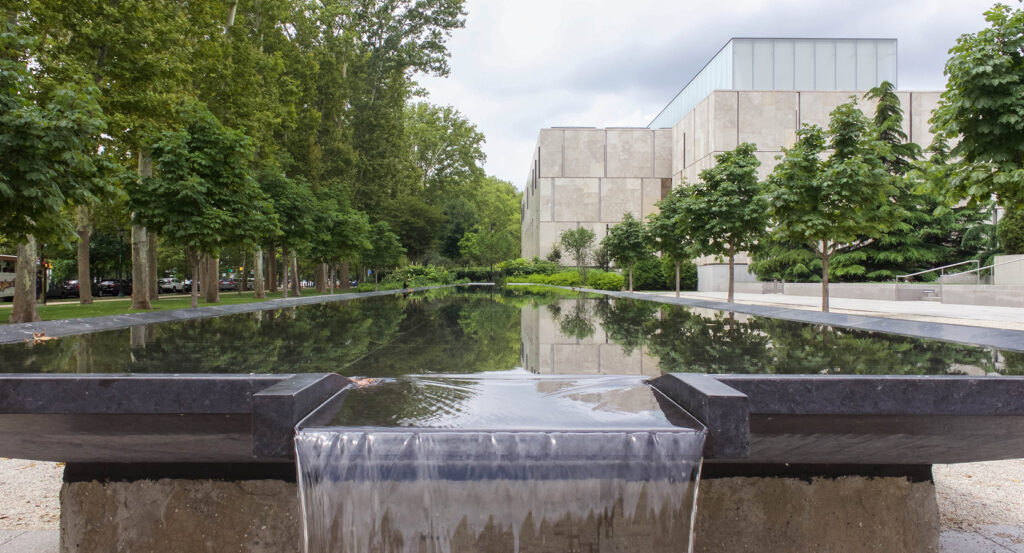
Start the visit early in the morning when the galleries are at their most tranquil. Upon entering, resist the urge to rush toward the marquee names. Instead, let your eyes wander, notice how light filters across a Renoir nude, how a forged hinge mirrors a Matisse curve, how a simple pattern of chairs hums in rhythm with a Cézanne still life. Move slowly, allowing the visual connections to reveal themselves, this is the Barnes's magic, the invisible thread that ties everything together. Spend time in the central court, a sunlit sanctuary that feels like the collection's heartbeat, before moving into the smaller galleries where intimacy reigns. Don't miss Matisse's The Dance II, a grand mural that explodes with color and motion, a work commissioned specifically for the Barnes and still as electrifying as the day it was unveiled. When you need a pause, step into the garden outside, a serene landscape that invites reflection and softens the physical richness of what you've seen inside. The on-site restaurant offers an elegant respite, ideal for savoring both a meal and a moment of stillness before diving back into the city's energy. Pair your visit with a stroll down the Parkway to the Rodin Museum or the Philadelphia Museum of Art; together, they form a triad of artistic depth unlike anywhere else in America. Yet the Barnes stands apart, a distinctive vision preserved in spirit, a place where art doesn't just hang on walls but breathes, challenges, and transforms you.
Where your story begins.
Foresyte Travel reveals places that feel extraordinary long before you arrive.
Enjoy editorial crafted for luxury travelers.
Foresyte may earn a commission when you book.