Why Bertarelli matters.
Bertarelli is a history-conscious Milanese bistrot where Corso Italia's architectural corridor meets Luigi Vittorio Bertarelli's culture of travel, a century-old Touring Club headquarters and regional cooking anchored in the city that gave the institution its start.
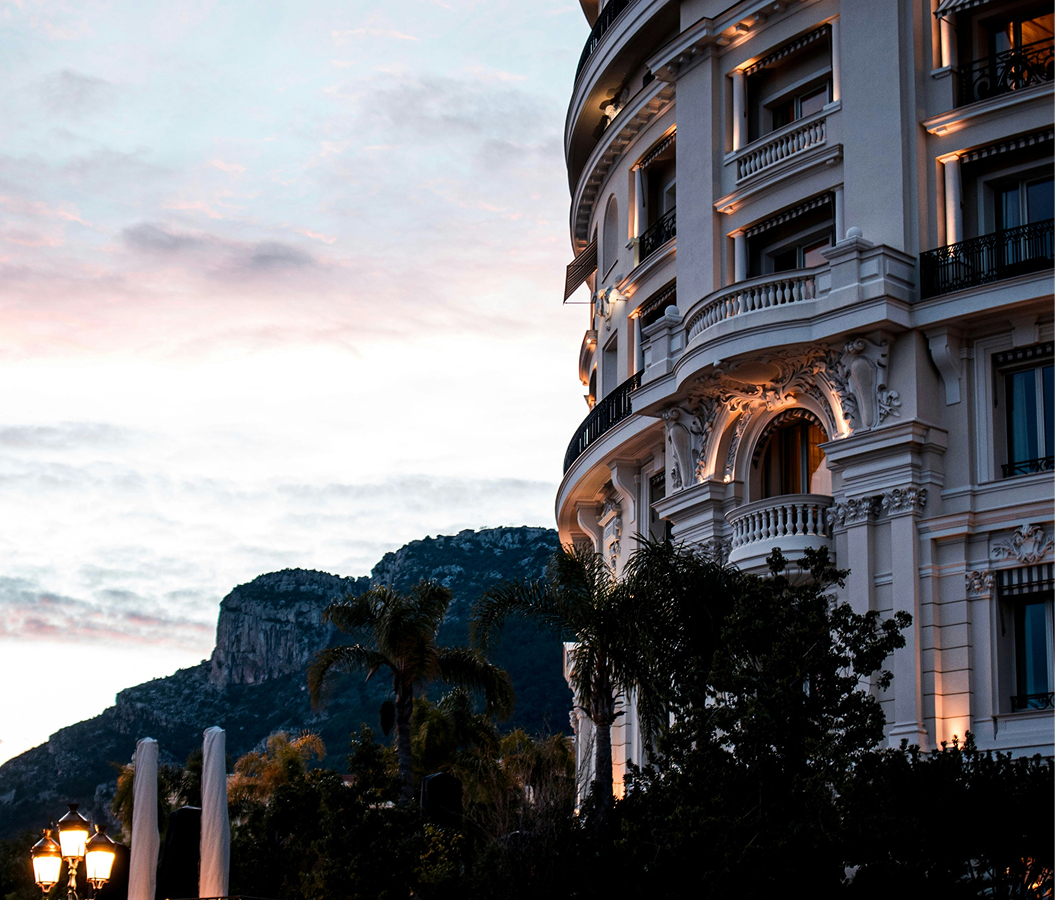
Set along Corso Italia near Via Amedei and just steps from Piazza Sant'Eufemia, the restaurant occupies a Central Milan corridor lined with architecture spanning Renaissance churches, nineteenth-century residences and early-twentieth-century institutional buildings. Studio Marco Piva incorporated the dining room into its restoration of Palazzo Touring Club, carrying the building's travel history through vintage trunks, maps, books and decorative references to exploration. The restaurant extends into an internal courtyard that shifts the architectural experience from the substantial street façade toward a more secluded open-air setting. Original architectural elements and travel-inspired furnishings connect the hospitality spaces with the building's previous century as the Touring Club Italiano headquarters. The result is a Corso Italia bistrot where eating inside the former institutional home of Italian travel gives Milanese cooking an unusually specific historical setting.
What defines Bertarelli.
Bertarelli is best known for translating Luigi Vittorio Bertarelli's foundational role in Italian travel culture into the restaurant of the former Touring Club Italiano headquarters that bears his name. Bertarelli joined Federico Johnson and 55 other cyclists in founding the Touring Club Ciclistico Italiano in Milan on November 8, 1894, then became one of the association's principal organizers as it expanded from cycling into a national project devoted to travel and geographical knowledge. He directed its road activities, became vice president in 1906 and president in 1919; membership passed 100,000 before the First World War and stood near 360,000 at his death in 1926. His work also reached deeply into publishing: he directed the development of the Guida d'Italia, the Touring Club's Carta d'Italia and the Grande Atlante Internazionale, turning itineraries and cartography into major instruments for discovering the country. The association built its Corso Italia headquarters under engineer Achille Binda between 1914 and 1915 with contributions from 4,681 founding members, whose names were carved into the entrance stone, and inaugurated it on November 11, 1915 with Bertarelli serving as vice director. More than a century later, Touring Club Italiano partnered with Radisson Hotel Group on the building's conversion, and Studio Marco Piva led the 2019-2021 architectural and interior project that preserved the travel connection across the new hotel. The restaurant emerged inside that reinvention as Bistrot Bertarelli 1894, joining the founder's surname and the institution's founding year in a hospitality concept devoted to travel. Luca Franz initially shaped its kitchen after a career that included work at Paco Roncero's two-MICHELIN-starred restaurant in Casino de Madrid, and by 2026 chef Alessio Maesani was leading the contemporary culinary program.
Acquerello Carnaroli rice begins the Milanese repertoire with saffron, its grains worked into a creamy risotto whose concentrated yellow color places one of the city's essential preparations at the center of the table. Mondeghili carry another local tradition through fried meatballs paired with spinach mayonnaise and saffron, giving the spice a second application through a denser, crisp-edged form. Cotoletta arrives as the broad Orecchia d'Elefante cut, where a thin veal surface and fried breading create the principal textural contrast. Ossobuco follows a slower register through braised meat, gremolada and potato purée, setting citrus and herbs against the richness of the cooking juices. Fresh pasta moves south through squid-ink tagliolini with yellow confit-tomato cream and lime-marinated prawns, and pumpkin-ginger cappellaccio introduces Gorgonzola foam, walnuts and fried sage. Bertarelli tiramisu closes the sequence with mascarpone, coffee and cocoa, returning the cooking to a familiar Italian form after a meal whose strongest dishes remain rooted in Milan.
How Bertarelli fits.
Bertarelli works as the dining anchor for an exploration of Corso Italia through religious patronage, Renaissance painting and the nineteenth-century architecture that transformed the road into one of Central Milan's most varied architectural sequences.
Begin at Chiesa di San Paolo Converso, commissioned by Paola Lodovica Torelli, Countess of Guastalla, after she sold her feudal holdings and founded the Madri Angeliche, with the first stone laid in 1549. Antonio Campi completed the presbytery frescoes in 1564, Antonio and Vincenzo Campi decorated the vault between 1586 and 1589, and Cerano designed the façade begun in 1611, producing a church in which successive generations of Lombard painters and architects developed the original conventual commission. Continue to Santa Maria presso San Celso, begun in 1493 by Gian Giacomo Dolcebuono and Giovanni Battagio around a Marian cult that had intensified after the events of 1485. Giovanni Antonio Amadeo subsequently developed the octagonal dome and expanded the church with a longitudinal nave in 1506; Galeazzo Alessi later designed the Mannerist façade executed by Martino Bassi, with sculpture by Stoldo Lorenzi and Annibale Fontana carrying the project into another artistic generation. Conclude at Casa Grondona, commissioned by industrialist Felice Grondona from architect Enrico Terzaghi and completed in 1876. Terzaghi turned to late-Renaissance precedents for the residential façade, organizing its five vertical divisions through rustication, pilasters, curved pediments and sculpted masks; the commission connected the mechanical-industrial wealth of its owner with the historicist architecture reshaping Corso Italia during the nineteenth century. The progression moves from Torelli's conventual patronage and the Campi brothers' painted interior through the multigenerational Renaissance construction of Santa Maria presso San Celso into Grondona and Terzaghi's nineteenth-century revival of earlier architectural forms, tracing successive reinventions of the corridor surrounding Bertarelli.
Where your story begins.
Foresyte Travel reveals places that feel extraordinary long before you arrive.
Enjoy editorial crafted for luxury travelers.
Foresyte may earn a commission when you book.