Why Bur Dubai matters.
Bur Dubai is the historic heart of the emirate, where wind-tower architecture, waterfront trading districts, and centuries of cultural exchange converge along the western banks of Dubai Creek.
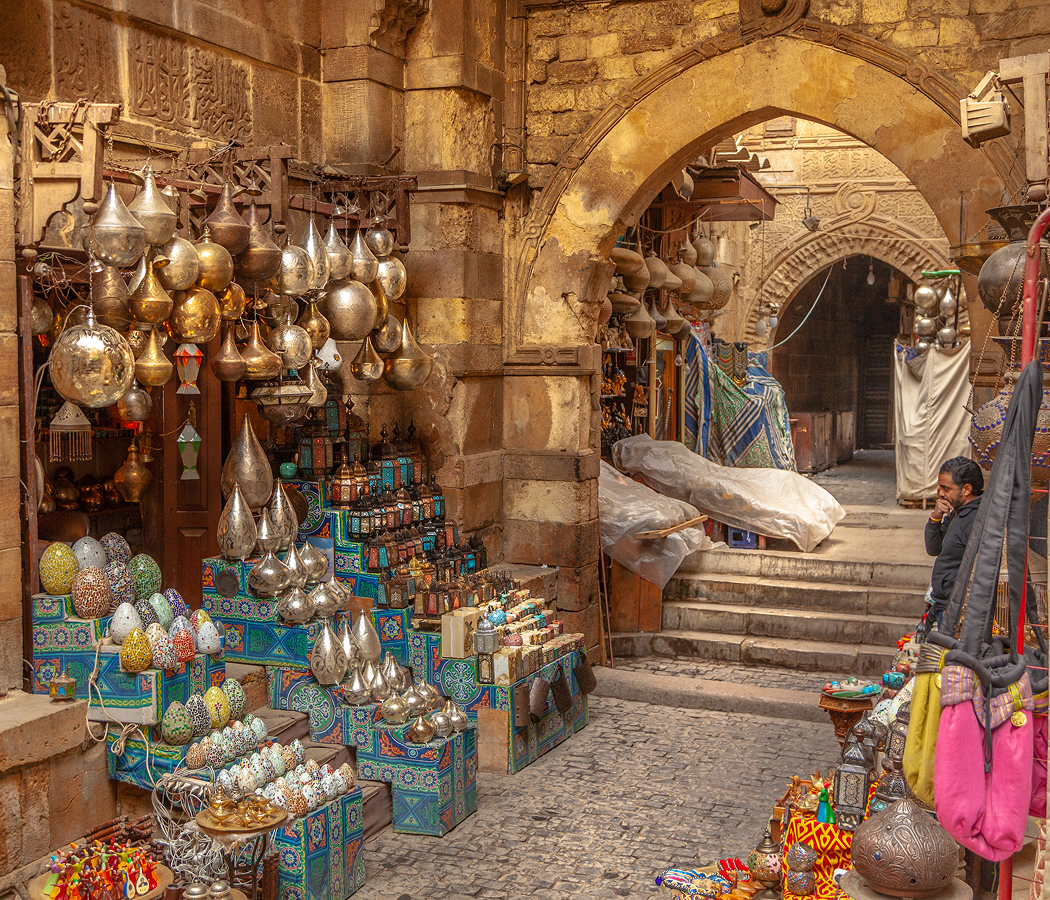
Narrow lanes wind through heritage neighborhoods filled with restored merchant houses, museums, mosques, courtyards, and marketplaces that preserve the character of Dubai before the arrival of skyscrapers and mega-developments. Traditional abras cross the creek carrying passengers between historic districts while wooden dhows continue to navigate waterways that once powered the city's economy. The district reveals Dubai's origins at every turn. Coral-stone buildings stand beside cultural institutions dedicated to preserving Emirati heritage. Cafés occupy restored courtyards shaded by traditional wind towers designed to cool homes long before modern technology. The creek remains the neighborhood's defining feature, connecting generations of traders, sailors, and entrepreneurs who helped transform a small settlement into a global city. Across the water, Deira's thriving souks and commercial districts maintain the historic relationship that shaped Dubai's rise. Every alleyway, courtyard, and waterfront promenade tells the story of the city before its modern transformation.
What defines Bur Dubai.
Bur Dubai is best known for being home to Al Fahidi Historical Neighbourhood, the largest and most significant concentration of traditional wind-tower architecture in Dubai.
Established in the late nineteenth century by merchants drawn to the opportunities of Dubai Creek, the district became one of the city's earliest residential and commercial centers. Its distinctive wind towers provided natural ventilation during the intense Gulf summers and remain among the most recognizable architectural symbols of historic Dubai. Extensive preservation efforts transformed the neighborhood into a cultural landmark while maintaining its original urban character. Museums, galleries, cultural centers, and restored residences now occupy buildings that reveal how life unfolded before the era of oil and rapid urbanization. Few places provide a clearer window into Dubai's architectural heritage and early development than Bur Dubai.
How Bur Dubai fits.
Bur Dubai works as a journey through the heritage landmarks, cultural institutions, and waterfront spaces that reveal the origins of modern Dubai.
Begin at Al Fahidi Historical Neighbourhood, where restored wind-tower houses and cultural courtyards immediately establish the district's defining identity. Continue toward Dubai Creek, whose active waterfront and traditional abras provide direct insight into the maritime trade networks that fueled the city's growth. From there, make your way to Al Seef, a creekside destination where heritage-inspired architecture and public spaces connect historic Dubai with the present day. Along the route, you'll encounter the Coffee Museum, Sheikh Mohammed Centre for Cultural Understanding, traditional souks, historic mosques, and countless alleyways that reward exploration. The progression moves naturally from architectural heritage to maritime history to contemporary cultural preservation, revealing the forces that shaped Dubai's evolution. Bur Dubai remains the most important heritage district in the emirate, preserving an extraordinary connection to the traditions, architecture, and entrepreneurial spirit that built the city.
Where your story begins.
Foresyte Travel reveals places that feel extraordinary long before you arrive.
Enjoy editorial crafted for luxury travelers.
Foresyte may earn a commission when you book.