Why Parque Nacional Cabo Pulmo matters.
Parque Nacional Cabo Pulmo is a remarkable marine sanctuary where Cabo Pulmo's desert coastline meets one of the Gulf of California's most significant coral reefs, a remarkable recovery of marine biodiversity and a community-led conservation movement that reshaped the relationship between fishing and environmental protection in Baja California Sur.
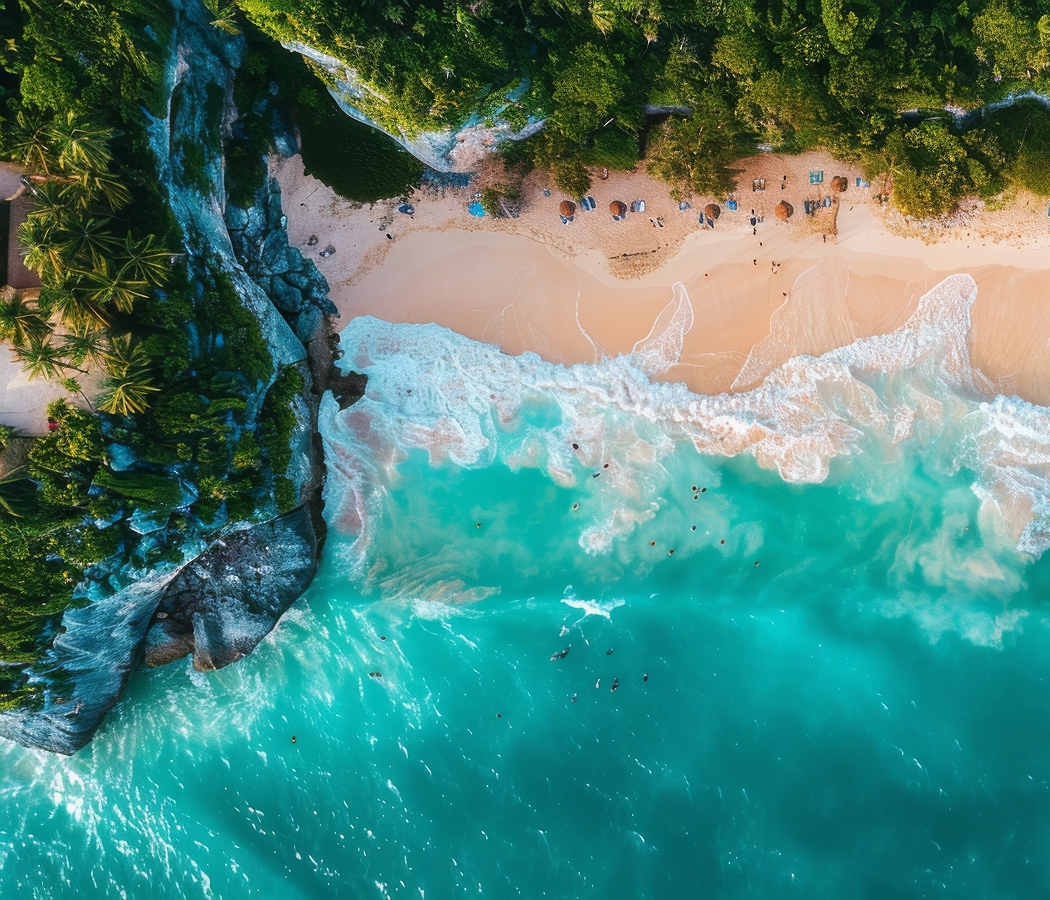
Stretching along the eastern coast of the Baja California Peninsula north of San José del Cabo, the national park occupies a protected marine corridor between the desert foothills of the Sierra de la Laguna and the open waters of the Gulf of California, encompassing rocky headlands, sandy beaches and offshore reef formations. Its coastal landscape combines arid hillsides, broad gravel washes and secluded coves whose shallow waters reveal submerged rock formations and coral communities. Beneath the surface, reef structures extend across a series of underwater ridges and channels, creating varied habitats for reef fish, invertebrates and larger marine predators. The surrounding shoreline remains sparsely developed, with a small coastal settlement and unpaved access roads preserving the visual continuity between desert mountains and the sea. The result is a protected coastal environment whose exceptional ecological diversity, relatively intact landscape and extensive marine habitats establish one of Mexico's most consequential conservation areas.
What defines Parque Nacional Cabo Pulmo.
Parque Nacional Cabo Pulmo is best known for protecting the northernmost substantial coral reef system in the eastern Pacific and for demonstrating the ecological recovery achievable through sustained marine protection and local community participation. The reef developed over thousands of years through the accumulation of coral skeletons and other calcium carbonate materials, establishing a complex underwater structure that supports an unusually diverse marine community. Its coral formations include species adapted to the seasonal temperature changes and oceanographic conditions of the Gulf of California. The surrounding waters occupy a transition zone influenced by tropical and temperate marine ecosystems, supporting species associated with both environmental regions. Indigenous communities inhabited the southern Baja California Peninsula long before European exploration, maintaining maritime practices connected with fishing, shellfish gathering and coastal resource use. The settlement of Cabo Pulmo subsequently developed as a small fishing community whose economy depended upon the surrounding marine environment. During the twentieth century, commercial fishing and increasing demand for marine products placed substantial pressure on reef-associated species, contributing to declining fish populations and deteriorating ecological conditions. Local fishing families recognized the consequences of continued extraction and began advocating for formal protection of the reef. Their efforts contributed to the Mexican government's declaration of Cabo Pulmo as a national marine park on June 6, 1995, establishing a protected area encompassing 7,111 hectares. The designation introduced a new legal structure for managing fishing, tourism and other activities affecting the reef ecosystem. Cabo Pulmo subsequently became part of the Islands and Protected Areas of the Gulf of California UNESCO World Heritage property, inscribed in 2005 in recognition of the region's exceptional marine biodiversity and ecological significance. Conservation policies strengthened restrictions on extractive activities, encouraging the community to shift toward diving, snorkeling and other forms of nature-based tourism. A scientific investigation published in 2011 found that total fish biomass within the protected area had increased by 463 percent between 1999 and 2009, demonstrating a striking recovery following the establishment of effective protection. The return of large predators and substantial fish aggregations provided further evidence of the reef's ecological regeneration. The park became an influential example of marine conservation in which local economic interests and biodiversity protection developed through coordinated management. Its importance extends beyond Mexico through its contribution to international discussions concerning marine protected areas, reef restoration and community participation in environmental stewardship.
Cabo Pulmo's reef ecosystem supports an intricate network of coral colonies, rocky substrates, sandy channels and open-water habitats that sustain hundreds of marine species. Hard corals provide structural complexity through branching, massive and encrusting growth forms, creating shelter and feeding areas for reef-associated organisms. The coral community includes species of Pocillopora, Porites and Pavona, whose differing growth patterns contribute to the reef's varied underwater architecture. Seasonal changes in water temperature influence biological activity, with warmer periods supporting tropical species and cooler conditions introducing different oceanographic influences. Large schools of bigeye jacks assemble above the reef, forming dense moving aggregations that have become among the park's most recognizable underwater spectacles. Groupers, snappers, parrotfish and surgeonfish occupy different ecological positions within the reef community, contributing to predation, grazing and nutrient cycling. Bull sharks and other large predators occur in the surrounding waters, demonstrating the ecological importance of maintaining connected marine habitats. Sea turtles use the park's coastal and offshore environments for feeding and movement, with several species occurring in the wider Gulf of California. Seasonal whale migrations bring humpback whales into the region during the winter months, connecting the reef ecosystem with broader marine corridors extending across the eastern Pacific. The park's sandy beaches provide nesting habitat for marine turtles, whose reproductive success depends upon suitable coastal conditions and protection from disturbance. Marine invertebrates, including sea urchins, mollusks and crustaceans, contribute to the ecological processes that sustain the reef's biological productivity. Local dive operators conduct guided excursions to established underwater sites, allowing observation of coral communities and fish populations under regulated recreational conditions. Snorkeling activities concentrate on accessible shallow-water areas, where the reef's structural complexity remains visible near the surface. Park management incorporates monitoring, visitor regulations and community involvement intended to limit damage from anchoring, fishing and uncontrolled recreational activity. The surrounding desert ecosystem contributes an additional ecological dimension, with arid vegetation and seasonal drainage systems connecting terrestrial processes to the coastal environment. Parque Nacional Cabo Pulmo's continuing significance rests in the relationship between reef biodiversity, sustained conservation management and the economic transformation of a coastal community committed to protecting its marine resources.
How Parque Nacional Cabo Pulmo fits.
Parque Nacional Cabo Pulmo works as the ecological anchor for an East Cape outing connecting Baja California Sur's secluded beaches, coastal desert landscapes and the historic settlements that preserve the region's maritime and cultural heritage.
Begin at Playa Los Arbolitos, a sheltered coastal beach situated south of the main Cabo Pulmo settlement. The beach occupies a narrow cove bordered by rocky headlands and arid hillsides, with relatively clear shallow waters providing access to reef-associated marine habitats. Its shoreline combines pale sand, scattered stones and low desert vegetation, creating a landscape distinguished by the close proximity of terrestrial and marine ecosystems. Snorkeling excursions explore submerged rock formations and coral communities near the coast, where colorful reef fish occupy crevices and shallow channels. The beach's limited development preserves a quiet setting that emphasizes the natural character of the East Cape coastline. Continue to Playa Frailes, a broad sandy beach situated within the protected coastal region near Cabo Pulmo. The beach extends along a gently curving bay enclosed by rugged desert hills, with comparatively sheltered waters supporting swimming and snorkeling under suitable conditions. Its shoreline remains largely undeveloped, providing expansive views across the Gulf of California and the surrounding coastal mountains. The adjoining marine environment supports reef fish and other species associated with rocky substrates and sandy seabeds. The beach's geographic isolation and absence of substantial resort construction preserve an important example of the East Cape's natural coastal scenery. Conclude at Santiago, a historic inland settlement located near the foothills of the Sierra de la Laguna. The town developed around an agricultural oasis sustained by freshwater emerging from the surrounding mountain landscape, establishing a distinctive contrast with the arid coastal environment. Its historic center includes traditional buildings, shaded streets and a church associated with the community's long settlement history. The surrounding countryside supports orchards, small agricultural properties and seasonal waterways that descend from the mountains toward the coastal plains. Santiago also provides access to the broader landscape of the Sierra de la Laguna, whose elevated forests and freshwater systems contribute substantially to the ecological diversity of southern Baja California Sur. The progression moves from Playa Los Arbolitos' shallow reef habitats through Playa Frailes' undeveloped coastal landscape and culminates at Santiago's historic agricultural oasis, connecting Parque Nacional Cabo Pulmo with the marine, desert and settlement environments that distinguish the East Cape region.
Where your story begins.
Foresyte Travel reveals places that feel extraordinary long before you arrive.
Enjoy editorial crafted for luxury travelers.
Foresyte may earn a commission when you book.