Why Casa Cenote matters.
Tucked between Tulum and Playa del Carmen, just steps from the Caribbean Sea, Casa Cenote feels like a bridge between two worlds, where the jungle meets the ocean, and freshwater flows into salt.
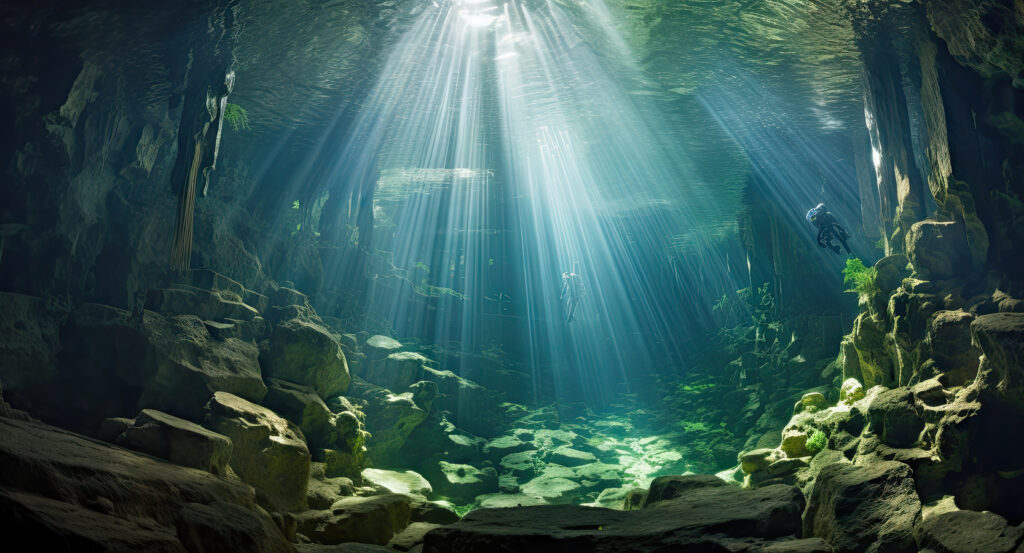
Unlike most cenotes hidden deep inland, Casa Cenote stretches long and open beneath a canopy of mangroves, its surface glimmering in shades of sapphire and emerald. The effect is almost surreal, sunlight filters through the roots above while shadows ripple across the limestone floor below, creating an otherworldly mosaic of color and movement. The water is crystal-clear, calm, and teeming with life, schools of tropical fish glide through the shallows, while curious crabs and even small turtles make cameo appearances. It's one of the few cenotes connected directly to the sea through underground channels, which gives it a unique brackish composition, a delicate blend of fresh and saltwater that attracts both snorkelers and divers from around the world. The energy here is different: peaceful, alive, and quietly cinematic. You don't just swim at Casa Cenote, you drift, weightless, under a cathedral of trees where land and sea breathe as one.
What defines Casa Cenote.
Beneath its tranquil surface, Casa Cenote hides one of the most fascinating geological and ecological stories on the Riviera Maya.
Known in Mayan as Cenote Manatí, it's part of the Sac Actun system, the longest underwater cave network on Earth, stretching more than 200 miles beneath the Yucatán Peninsula. What makes Casa Cenote extraordinary is its direct connection to the Caribbean via hidden tunnels, allowing tides to subtly influence its currents and giving the water its signature mix of fresh and salt. This creates a phenomenon known as a halocline, where two densities of water layer and ripple against each other, distorting light in beautiful, dreamlike patterns. The cenote was named after the manatees that once frequented its waters, drawn in by the gentle currents and vegetation; though sightings today are rare, the area still buzzes with biodiversity. Snorkelers often spot blue crabs, eels, and tiny fish darting among mangrove roots, while divers can follow submerged passages that wind like veins toward the open ocean. Ancient Maya civilizations believed cenotes like this were sacred gateways to Xibalba, the underworld, and offerings to Chaac, the rain god, have been found throughout the region's waterways. Casa Cenote's unique location and ecological balance have made it a model for sustainable tourism, local caretakers enforce strict rules on sunscreen and litter, preserving the clarity and purity that make it so special. The surrounding mangroves, with their twisting roots and mirrored reflections, act as natural filters, keeping the water clean and alive. Few cenotes capture such a perfect equilibrium between human access and natural grace.
How Casa Cenote fits.
Casa Cenote is a must-stop on any Tulum itinerary, especially if you're seeking a cenote that feels both wild and accessible.
Located just off the beach road toward Tankah Bay, it's an easy 10-15 minute drive north of Downtown Tulum. Arrive early to catch the soft morning light, when the water gleams like liquid glass and the jungle hums with life. Bring cash for the entrance fee and rent snorkel gear or a kayak to explore every bend of this winding cenote, it stretches far deeper than it first appears. The calm current makes it ideal for families and first-time snorkelers, while divers can descend into the nearby cave systems for a glimpse of the hidden underwater tunnels that connect to the sea. Be sure to shower before entering to protect the fragile ecosystem, and use only reef-safe sunscreen. For lunch, head across the street to Casa Cenote Restaurant, a laid-back spot with ocean views and some of the best ceviche in the area. Afterward, stroll down to Tankah Beach, where the turquoise Caribbean contrasts the calm green of the cenote, two worlds just steps apart. Many visitors spend half a day here, alternating between swims, kayak rides, and lazy moments on the dock watching dragonflies skim the surface. Before leaving, take one last look at the reflections in the water, sky, mangroves, and your own face blending into one. Casa Cenote isn't just another swimming hole; it's nature's whisper of balance, a reminder that beauty thrives at the meeting point of opposites.
Where your story begins.
Foresyte Travel reveals places that feel extraordinary long before you arrive.
Experience premium editorial crafted for luxury travelers.