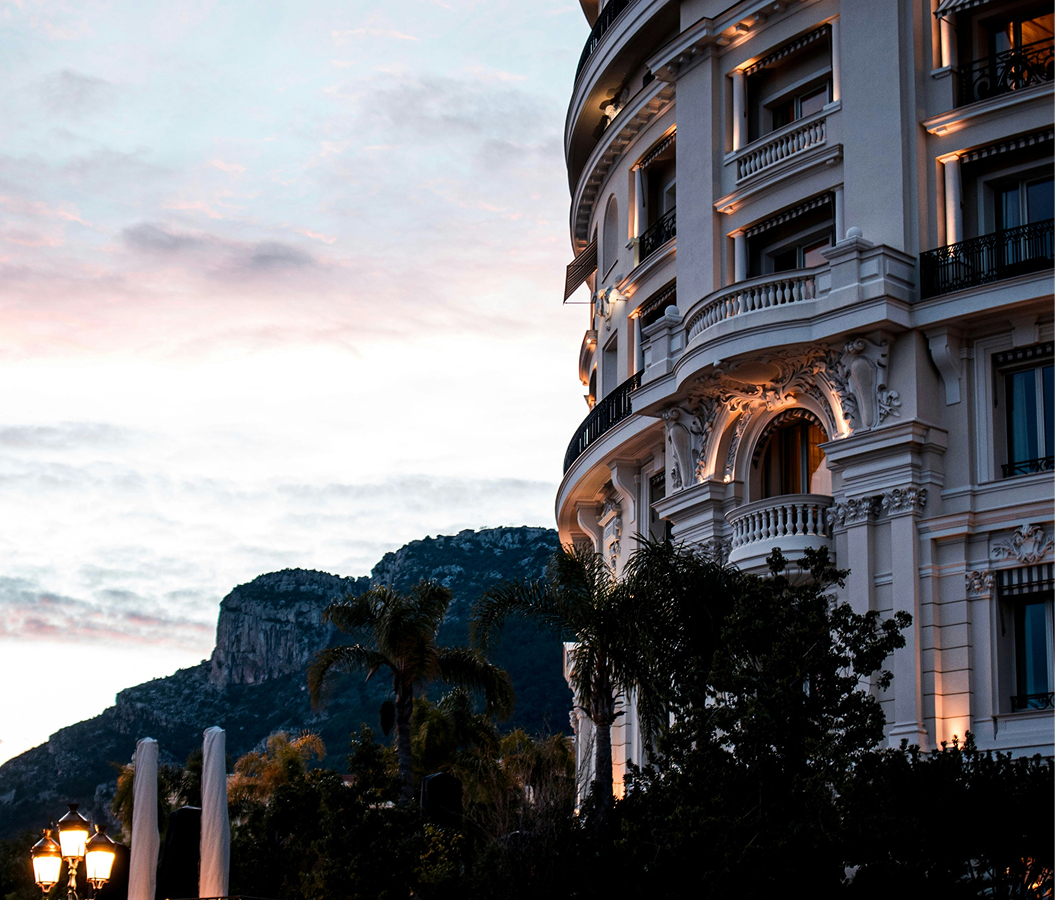
Why Cassina de' Pomm matters.
Cassina de' Pomm is a storied enclave where the Naviglio Martesana meets Greco through canal-side paths, former agricultural ground and a compact northern settlement preserved beside one of Milan's oldest engineered waterways.
Positioned between Greco, Maggiolina, and Gorla, the neighborhood occupies a northern pocket where Via Melchiorre Gioia, Via Edolo and the Naviglio Martesana converge before the canal continues toward the dense city surrounding Centrale. Towpath greenery, older residential buildings and traces of former rural settlement create a narrow waterside environment enclosed by the railway and twentieth-century urban fabric. The Martesana establishes the primary encounter through a linear watercourse that still determines movement, vegetation and building orientation across the district. Via Melchiorre Gioia deepens the atmosphere through a dramatic change in scale, placing the intimate canal edge beside one of northern Milan's major metropolitan axes. The result is a neighborhood where the surviving form of a historic water route preserves the geographic logic of the countryside that once separated Greco from Milan.
What defines Cassina de' Pomm.
Cassina de' Pomm is best known for marking the original Milanese terminus of the Naviglio Martesana, placing this northern locality at a decisive point in the hydraulic system that connected the Adda countryside with the city. Filippo Maria Visconti authorized a canal using Adda water in 1441, beginning an intervention intended to irrigate fields and power mills across territory northeast of Milan. Francesco Sforza subsequently advanced the project, and the waterway initially terminated around Cassina de' Pomm. The canal followed the ancient road corridor toward Milan and retained irrigation as a principal function even after navigation was introduced, with boat traffic initially restricted to two days per week. Francesco Sforza and Ludovico il Moro recognized the strategic value of a navigable connection along the eastern Duchy and adapted the waterway for the transport of people and goods. Extension toward Milan brought the Martesana into the internal canal system, and completion of the Conca dell'Incoronata in 1496 created one of the final hydraulic steps toward the Cerchia Interna. Barges subsequently carried gravel, brick, construction stone and other cargo toward the Laghetto di San Marco, including ceppo from Vaprio used during construction of Palazzo Marino in the sixteenth century. The waterway eventually connected the Adda with Milan's internal canals and, through the Naviglio Grande system, the Ticino, converting the point near Cassina de' Pomm from an outer terminus into part of a much larger commercial route. The locality's geographic importance emerged from hydraulic engineering that transformed a rural edge into the threshold between an interregional waterway and urban Milan.
The farmstead that supplied the district's name developed a separate cultural history as the countryside around Greco became a destination for travelers and writers. Cassina de' Pomm survives along the Martesana as Milan's oldest intact cascina, preserving the physical scale of the agricultural settlement that preceded metropolitan construction. During the eighteenth century the building operated as a guesthouse, converting its position on the northern approach into a stopping place beyond the compact city. Stendhal stayed there and later referred to the site in his writing, linking the farmstead with the French author's sustained engagement with Milan. Carlo Porta also frequented the establishment and incorporated the place into the literary geography surrounding the Lombard capital. Alessandro Manzoni gave the locality a still deeper association through chapter 33 of I Promessi Sposi, where Renzo reaches Greco after returning to plague-stricken Milan and spends the night sheltered beneath a farm porch on a pile of hay. Milanese cultural interpretation associates that episode specifically with Cassina de' Pomm, joining a fictional journey through seventeenth-century Lombardy with a building surviving beside the Martesana. The cascina carries the district beyond hydraulic history into literature, preserving a physical point where the rural outskirts entered works by three writers whose relationships with Milan developed across different languages, genres and centuries.
How Cassina de' Pomm fits.
Cassina de' Pomm works as the anchor for an afternoon connecting Greco's medieval parish center, a surviving rural court and a Renaissance suburban estate whose architecture reaches back to the Visconti countryside north of Milan.
Begin at Chiesa di San Martino in Greco, the religious center of the old settlement whose institutional history extends into the fifteenth century and whose parish territory once encompassed several surrounding rural localities. By the eighteenth century that territory included oratories at Cassina di Pomm, and the parish counted 756 inhabitants between Easter 1779 and Easter 1780, establishing San Martino as the ecclesiastical center for a dispersed agricultural population extending beyond the village nucleus. Continue through old Greco to Cascina Conti, where an enclosed agricultural court preserves the building type that organized residence and production before industrial expansion absorbed the municipality. The complex retains medieval and later construction within a village fabric subsequently enclosed by railway infrastructure and metropolitan housing, giving the route a second surviving fragment of the countryside that once extended around the northern borgo. Conclude at Villa Mirabello, whose fifteenth-century origins connect the surrounding territory with the Visconti period and the suburban estates established beyond Milan's walls. Its later association with Pigello Portinari and the architectural culture surrounding the Medici presence in Milan shifts the sequence from working agricultural structures toward elite country residence. The progression moves from the parish institution governing Greco's scattered rural population through an enclosed working court into a Renaissance estate, reconstructing the social hierarchy of the countryside that surrounded Cassina de' Pomm before railways, industry and continuous construction absorbed northern Milan.
Where your story begins.
Foresyte Travel reveals places that feel extraordinary long before you arrive.
Enjoy editorial crafted for luxury travelers.
Foresyte may earn a commission when you book.