
Why Cedar Street matters.
Cedar Street is a historic Financial District corridor where colonial origins, commercial power, and urban resilience converge along one of Lower Manhattan's oldest surviving streets.
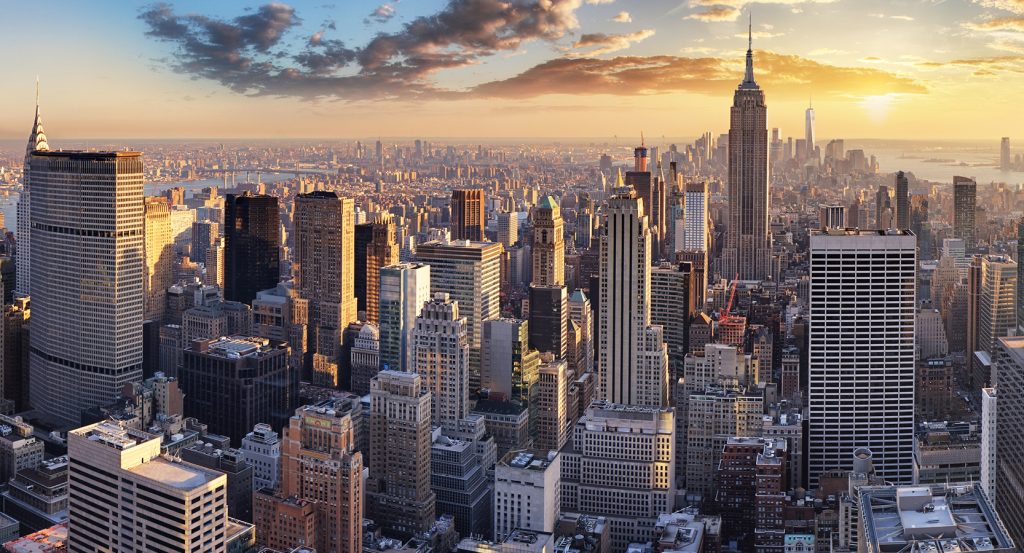
Running through the Financial District between Broadway and Pearl Street, this compact downtown thoroughfare connects landmark office towers, historic churches, civic institutions, public gathering spaces, transportation hubs, and architectural landmarks that have shaped New York life for generations. Historic street alignments, soaring skyscrapers, preserved landmarks, pedestrian corridors, and celebrated streetscapes create an environment defined by continuity and reinvention. The corridor emerged during New York's colonial era as part of the city's earliest street network, serving merchants, traders, residents, and civic leaders in a rapidly growing port settlement. Financiers, entrepreneurs, architects, preservationists, and public officials helped establish a legacy that evolved alongside New York's rise as a global center of commerce and finance. To the west, Wall Street extends naturally from Cedar Street through a collection of historic streets, financial landmarks, and civic institutions that reinforce the corridor's enduring significance. The result is a street defined by historical depth, commercial influence, and enduring urban character.
What defines Cedar Street.
Cedar Street is best known for being named after a row of cedar trees that once stood along the street during New Amsterdam's Dutch colonial period.
The name preserves a rare connection to the natural landscape that existed before Lower Manhattan became one of the world's most densely developed urban centers. During the seventeenth century, the area formed part of the Dutch colonial settlement that would eventually evolve into modern New York City. As the city expanded and transformed into a global financial capital, Cedar Street retained a name rooted in its earliest history. Today, it remains one of the few reminders of the natural features that once characterized colonial Manhattan. Few New York streets maintain such a direct connection to the landscape of New Amsterdam.
How Cedar Street fits.
Cedar Street works as an exploration of Lower Manhattan's colonial history, financial legacy, and architectural landmarks.
Begin at Trinity Church, where the corridor's defining relationship with colonial history, civic leadership, and urban development immediately comes into focus. Continue toward Federal Hall National Memorial, whose historical significance reveals the political and economic foundations that helped shape the surrounding district across generations. From there, make your way to the 9/11 Memorial & Museum & Museum, where one of New York's most important civic landmarks provides broader perspective on the resilience, transformation, and continuity that continue to define Lower Manhattan today. Along the route, you'll encounter historic churches, financial landmarks, civic institutions, architectural treasures, public gathering spaces, transportation hubs, and celebrated streetscapes that showcase the remarkable depth of the district. The progression moves naturally from Trinity Church to Federal Hall National Memorial to the 9/11 Memorial & Museum & Museum, revealing how commerce, governance, and resilience combined to shape one of Manhattan's most historically significant corridors. Cedar Street remains one of New York's most rewarding thoroughfares, preserving a distinctive balance between colonial heritage, financial importance, and contemporary urban vitality.
Where your story begins.
Foresyte Travel reveals places that feel extraordinary long before you arrive.
Enjoy editorial crafted for luxury travelers.
Foresyte may earn a commission when you book.







































































































