
Why you should experience Central Hotel in Shanghai, China.
Central Hotel offers a quietly strategic way to experience the city, where classic international comfort, generous scale, and unbeatable centrality create a stay that feels dependable, efficient, and grounding amid Shanghai's relentless motion.
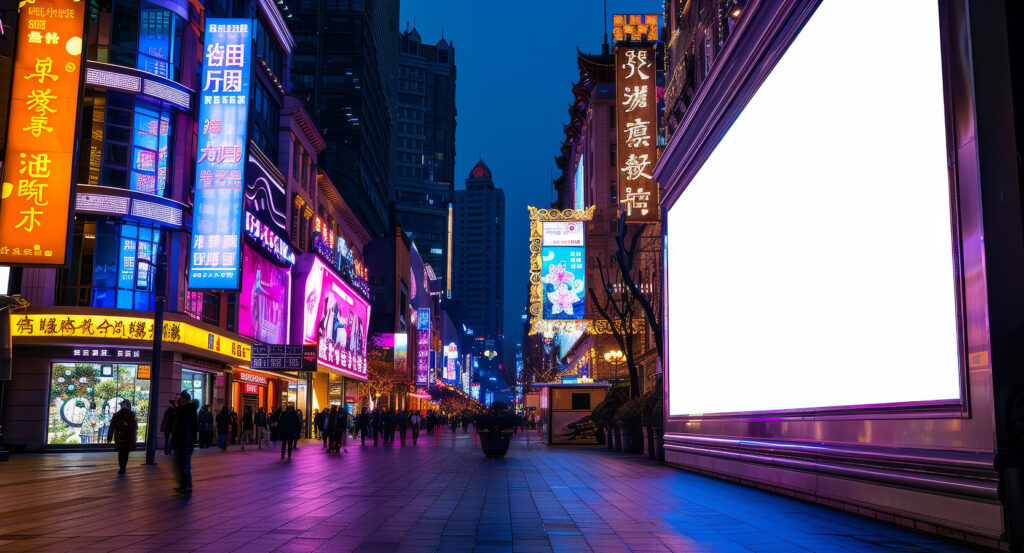
Located directly on Nanjing East Road and within easy walking distance of the Bund, Central Hotel sits at the crossroads of commerce, culture, and movement, placing you inside one of the city's most active corridors while offering a sense of order once indoors. This is not a hotel that competes for attention; it supports momentum. From the exterior, the building signals scale and purpose rather than architectural flourish, reflecting its role as a high-capacity, centrally positioned property designed to serve travelers moving through Shanghai rather than escaping from it. Inside, the atmosphere shifts immediately toward calm and legibility. Interiors follow a classic international hotel language, with polished stone floors, warm wood accents, neutral palettes, and wide-open public areas that allow the hotel to absorb volume. The lobby and shared spaces feel spacious and functional, designed to move guests smoothly through arrival, transition, and rest. Guest rooms reinforce this sense of stability and comfort. Layouts are notably generous for such a central location, offering enough space to unpack, settle in, and genuinely inhabit the room rather than treat it as a temporary stop. Beds are plush and supportive, dressed in crisp linens that prioritize rest after long days navigating the city. Furnishings are practical and understated, favoring durability, comfort, and usability over design statements. Seating areas and workspaces are properly scaled, allowing the room to function equally well for relaxation and productivity. Lighting is warm and adjustable, supporting different rhythms throughout the day, while sound insulation ensures the energy of Nanjing East Road fades into a distant presence once the door closes. Bathrooms are spacious and well-appointed, featuring marble finishes, deep soaking tubs, walk-in showers, and amenities that elevate daily routines into comfort. Dining at Central Hotel reflects the same philosophy of reliability and breadth. Restaurants offer a mix of Chinese and international options designed to serve a wide range of tastes efficiently, making them practical choices. Breakfast service is particularly suited to busy itineraries, balancing variety with speed so guests can start their day. Service throughout the hotel is professional, attentive, and consistent, delivered with the quiet efficiency of a property accustomed to hosting international travelers, families, and business guests alike. The location amplifies every aspect of the stay. Being directly on Nanjing East Road places you within immediate reach of shopping, dining, and transit, while proximity to the Bund allows for effortless access to one of Shanghai's most iconic waterfront experiences at any time of day. Nearby metro connections open the rest of the city with ease, making cultural institutions, historic neighborhoods, and business districts readily accessible. Central Hotel does not attempt to redefine luxury or tell an elaborate design story.
What you should know about Central Hotel.
Central Hotel reflects an important chapter in the city's hospitality landscape, shaped by the demands of scale, accessibility, and international travel during Shanghai's rapid modernization.
As Shanghai grew into a global commercial and tourism hub, hotels like Central Hotel emerged to meet the needs of travelers who prioritized location, space, and consistency over boutique character or heritage storytelling. Positioned along Nanjing East Road, among the city's most historically significant commercial arteries, the hotel occupies a corridor that has long functioned as a gateway between the Bund's financial institutions and the broader retail and residential fabric of Shanghai. Historically, this stretch supported traders, visitors, and workers moving between riverfront commerce and inland districts, making it a natural setting for a hotel designed around flow and capacity. A lesser-known aspect of Central Hotel is the emphasis placed on circulation and spatial planning. Wide corridors, large public areas, and clearly defined transitions were intentionally designed to prevent congestion and maintain calm even during peak occupancy periods. This focus on movement management is an invisible but critical luxury in a city defined by density. Design choices throughout the property favor materials and furnishings that withstand constant use without rapid aesthetic fatigue, reflecting a pragmatic understanding of Shanghai's pace and scale. Rather than chasing trends, the hotel leans into a timeless international style that remains functional and legible across years of high traffic. The hotel's international orientation also mirrors Shanghai's role as a meeting point for cultures, industries, and travelers from around the world. Instead of leaning heavily into localized theming or overt global branding, Central Hotel occupies a middle ground, offering familiarity and predictability while remaining fully embedded in the city's daily rhythm. Its proximity to shopping districts, transit hubs, and historic landmarks positions it as a connective node. In this way, the hotel mirrors Nanjing East Road's own character as a corridor of exchange, movement, and continuity. Central Hotel may not announce its significance loudly, but it fulfills a crucial role within the city's hospitality ecosystem by providing scale, stability, and clarity in an environment defined by constant motion.
How to fold Central Hotel into your trip.
Central Hotel works as a logistical anchor, allowing you to structure your time in the city with efficiency and flexibility.
Begin your mornings with breakfast at the hotel before stepping directly onto Nanjing East Road, where Shanghai's commercial energy builds steadily throughout the day. Walk toward the Bund early, when the riverfront is quieter and the skyline feels architectural rather than overwhelming, then drift back inland to explore historic arcades, department stores, and side streets that reveal the city's layered character. Use the hotel's central position to move fluidly across Shanghai, taking advantage of nearby metro access to reach neighborhoods like the Former French Concession, Pudong, or cultural districts. Return to the hotel mid-day to reset, whether that means resting, working, or simply recalibrating in a space designed to absorb movement. As evening arrives, enjoy dinner nearby or venture farther afield knowing your return will always be straightforward. End the night with a stroll along the Bund as the skyline illuminates, then retreat back to the hotel where scale gives way to predictability and calm.
Where your story begins.
Foresyte Travel reveals places that feel extraordinary long before you arrive.
Experience premium editorial crafted for luxury travelers.

















































































































