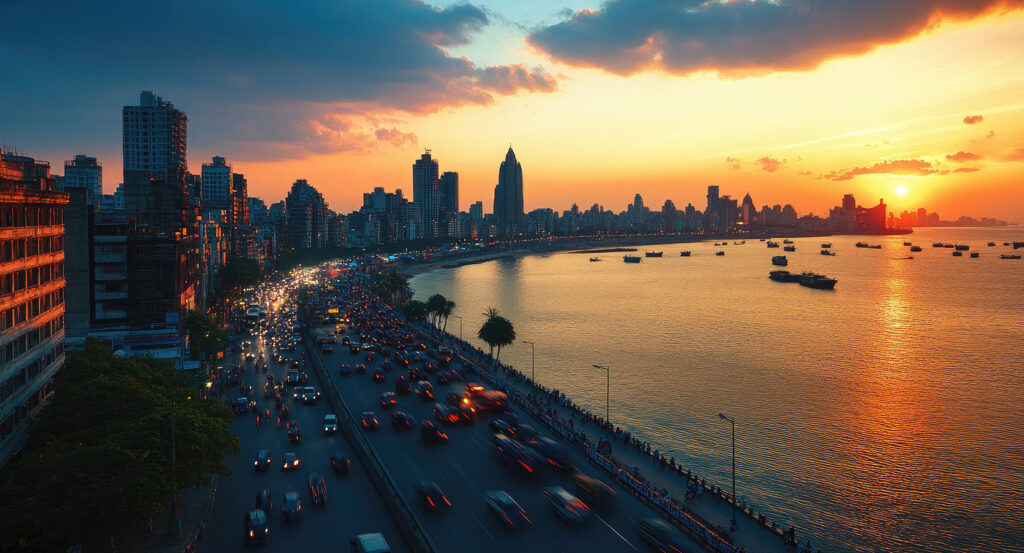
Why Central Mumbai matters.
Central Mumbai is the city's historic industrial backbone, where manufacturing heritage, urban transformation, and commercial ambition converge across a corridor that helped shape modern Mumbai.
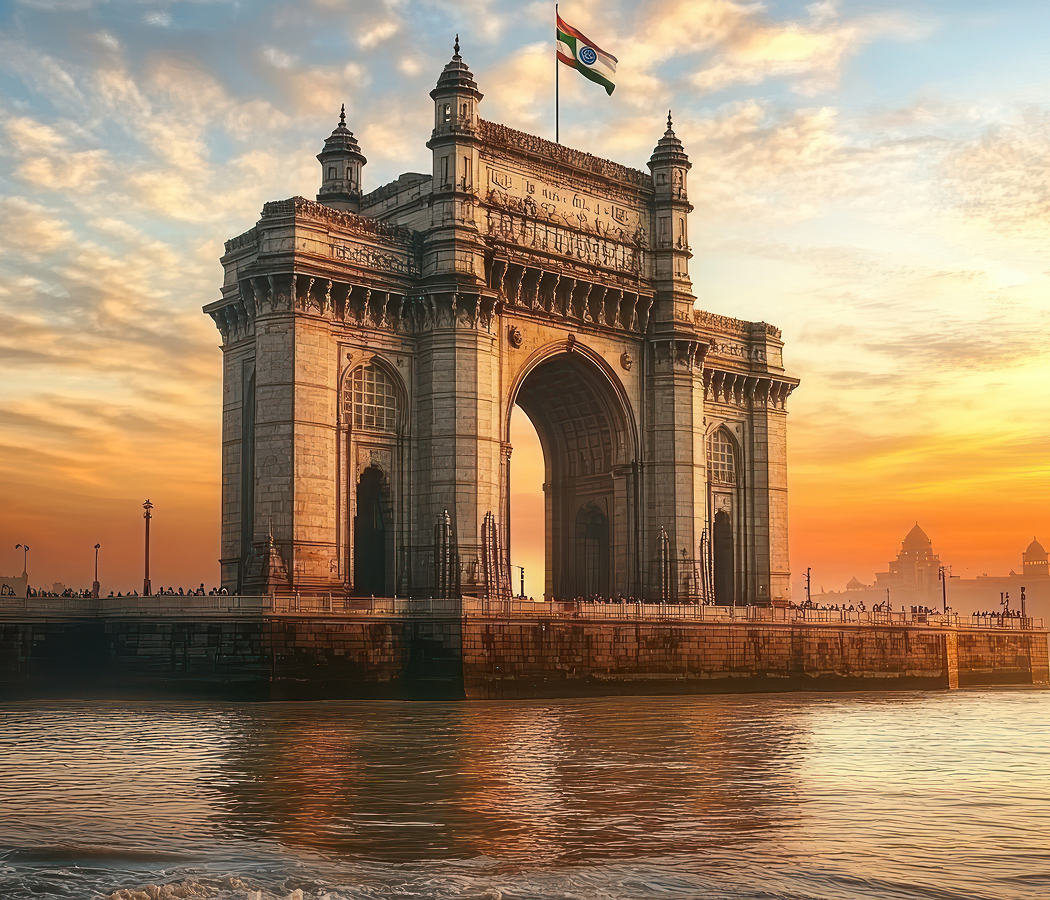
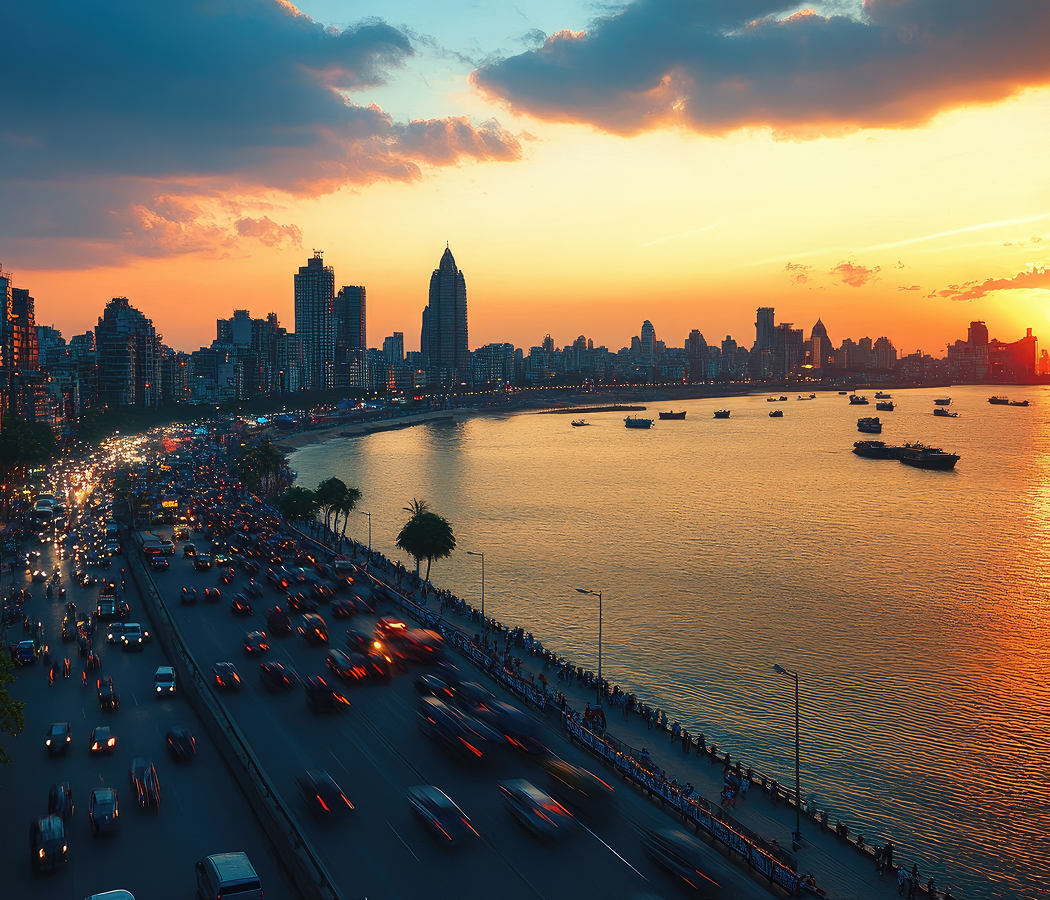
Former mill districts, redeveloped business centers, thriving markets, residential neighborhoods, cultural venues, transportation hubs, and evolving skylines create a district that balances historic significance with contemporary growth. For much of the nineteenth and twentieth centuries, Central Mumbai served as the engine of Bombay's textile industry, attracting workers, entrepreneurs, and industrialists from across India. The mills that once dominated the landscape fueled economic expansion and helped transform Bombay into one of Asia's leading commercial centers. As industry declined, many former factory sites were reimagined as mixed-use developments, corporate districts, residential communities, and cultural destinations. Today, visitors encounter a region that feels energetic, ambitious, and constantly evolving. To the south, Churchgate's historic institutions and commercial corridors reveal the urban core that helped fuel the growth of Central Mumbai's industrial economy. Every former mill, transit hub, and redeveloped precinct reflects a district shaped by labor, innovation, and reinvention.
What defines Central Mumbai.
Central Mumbai is best known for being the historic center of Mumbai's textile industry, which powered the city's rise as India's commercial capital.
Beginning in the nineteenth century, hundreds of textile mills emerged across the district, creating one of the largest industrial concentrations in Asia. These mills attracted workers from across the country, helping shape Mumbai's multicultural character while driving economic growth on a national scale. The industry generated immense wealth, influenced labor movements, and established Bombay as a critical manufacturing center within the British Empire. Although many mills closed during the late twentieth century, their legacy continues to influence the district's architecture, demographics, and urban form. Redevelopment projects transformed many former industrial sites into thriving commercial and residential districts while preserving traces of their industrial past. Few areas in India possess such a direct connection to the economic forces that shaped a modern metropolis.
How Central Mumbai fits.
Central Mumbai works as an exploration of industrial heritage, urban transformation, and the landmarks that reveal the city's remarkable evolution.
Begin at Lower Parel, where the district's defining relationship with textile manufacturing, redevelopment, and economic growth immediately comes into focus. Continue toward Kamala Mills, whose repurposed industrial structures reveal how former manufacturing spaces have been transformed into contemporary centers of business, dining, and culture. From there, make your way to Shivaji Park, where public life, civic history, and community character provide a broader perspective on the neighborhoods that developed alongside Mumbai's industrial expansion. Along the route, you'll encounter former mill complexes, commercial towers, local markets, cultural venues, transportation corridors, public spaces, and historic landmarks that showcase the district's remarkable transformation. Together, these destinations reveal how Central Mumbai evolved from an industrial powerhouse into one of the city's most dynamic urban corridors.
Where your story begins.
Foresyte Travel reveals places that feel extraordinary long before you arrive.
Enjoy editorial crafted for luxury travelers.
Foresyte may earn a commission when you book.