Why Cocina de Autor matters.
Cocina de Autor is a MICHELIN-starred tasting-menu restaurant where the Tourist Corridor's luxury coastal hospitality meets Sidney Schutte's international culinary expertise, Francisco Sixtos' inventive interpretation of Mexican ingredients and a pioneering approach to fine dining within an all-inclusive resort.
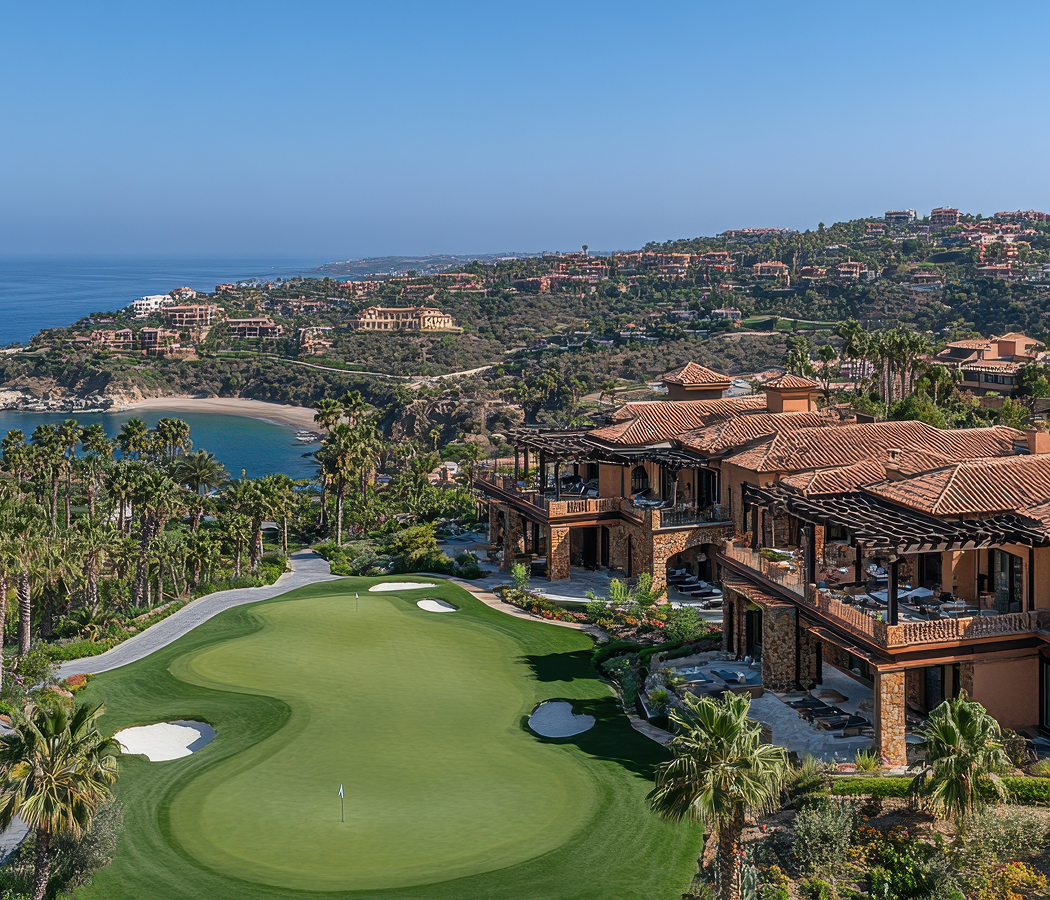
Set along the Transpeninsular Highway at Kilometer 17, near the coastal road leading toward Chileno Bay and a short drive from the Mar del Cabo hotel, the restaurant occupies an oceanfront setting within Grand Velas Los Cabos, surrounded by landscaped gardens and the sweeping coastline between Cabo San Lucas and San José del Cabo. Its contemporary interior combines polished furnishings, atmospheric lighting and an elegant dining room conceived around the presentation of an elaborate tasting menu. A landscaped terrace provides an outdoor setting for introductory cocktails, with flowering bougainvillea and views across the Sea of Cortez establishing a connection to the surrounding resort. Selected tables overlook a decorative koi pond, introducing a quieter garden setting within the property's expansive coastal architecture. The result is a refined dining environment whose intimate interiors, landscaped outdoor spaces and carefully structured service establish a distinctive setting for contemporary Mexican gastronomy.
What defines Cocina de Autor.
Cocina de Autor is best known for establishing a new standard for all-inclusive resort gastronomy in Los Cabos, connecting the international careers of leading European chefs with Mexico's expanding fine-dining culture. The concept originated within Velas Resorts through the collaboration of chefs Bruno Oteiza and Mikel Alonso, whose professional development included training under Juan Mari Arzak, among the central figures in the transformation of modern Spanish cooking. Their original Cocina de Autor at Grand Velas Riviera Maya introduced an ambitious tasting-menu format to the company's luxury hospitality portfolio, establishing a foundation for its subsequent expansion to the Pacific coast. The Los Cabos project emerged under Eduardo Vela Ruiz and Juan Vela Ruiz, whose family-owned resort group had developed a reputation for incorporating specialized restaurants into comprehensive luxury accommodations. Construction of Grand Velas Los Cabos represented an investment of $150 million, extending the company's hospitality operations into the increasingly competitive resort market of southern Baja California. Dutch chef Sidney Schutte was selected to lead the property's signature gastronomic restaurant, bringing experience from some of Europe's and Asia's most distinguished kitchens. His professional development included De Scholteshof in Belgium under Roger Souvereyns, Amber in Hong Kong under Richard Ekkebus and De Librije in Zwolle under Jonnie Boer. Schutte subsequently directed Librije's Zusje in Amsterdam, earning two MICHELIN stars within seven months of its opening and strengthening his international reputation for technically ambitious cooking. The resort officially opened on December 20, 2016, introducing Cocina de Autor with Vincent Colauto as its inaugural chef de cuisine. Interior designer Ernesto Vela developed the restaurant's contemporary setting, complementing the property's distinctive curved architecture and oceanfront orientation. CNN included Cocina de Autor among its anticipated restaurant openings for 2017, bringing international attention to a dining concept operating within an all-inclusive hospitality model. The restaurant subsequently developed under chef Francisco Sixtos, whose professional background included European MICHELIN-starred kitchens, the French restaurant Lumière in Cancún and The Carlyle in New York. His appointment strengthened the connection between Schutte's international culinary direction and the Mexican ingredients central to the restaurant's evolving repertoire. In May 2024, Cocina de Autor received one MICHELIN star in the inaugural MICHELIN Guide to Mexico, becoming the first restaurant in Los Cabos to earn the distinction. The restaurant retained its star in 2025 and 2026, sustaining its position at the forefront of the region's contemporary gastronomic development. Its recognition demonstrated that a restaurant incorporated into an all-inclusive resort could achieve international fine-dining distinction through the same standards of culinary execution applied to independent gastronomic institutions.
Francisco Sixtos' cooking develops around the intersection of Mexican ingredients, European technique and the contrasting flavors that define Sidney Schutte's international culinary approach. Schutte's four years working in Asia inform the kitchen's use of fermentation, aromatic broths and concentrated seasonings, introducing an important dimension to preparations grounded in Mexico's agricultural and coastal traditions. The tasting menu begins with ingredients that establish the country's culinary foundations, including escamoles, avocado, corn and guajillo chile. Escamoles, the edible larvae of certain ant species traditionally harvested in Central Mexico, contribute a delicate texture and distinctive savory character to a composition built around familiar regional ingredients. Chocolate clams introduce the marine character of Baja California, accompanied by jalapeño, cacahuazintle corn, green apple and nixtamal in a preparation that connects the peninsula's seafood with one of Mexico's foundational agricultural processes. The use of nixtamal establishes a direct relationship with the alkaline treatment of maize, whose development transformed the nutritional value and culinary possibilities of corn throughout Mesoamerica. A corn velouté with shiitake mushrooms, pecans and jícama extends that relationship through a classical French preparation, combining the sweetness of maize with the earthy depth of mushrooms and the contrasting texture of a Mexican root vegetable. More substantial courses develop the kitchen's international character through carefully composed sauces, including beef short rib with organic celeriac from Miraflores, XO mushrooms and lemongrass. The preparation connects the richness of slow-cooked beef with the concentrated umami associated with Chinese XO sauce and the citrus fragrance of Southeast Asian aromatics. Beef tenderloin with beetroot, cauliflower, amanzu and black garlic introduces a complementary balance between the meat's richness, fermented sweetness and the earthy character of vegetables. The kitchen's dessert preparations continue these relationships through caramelized butter, mascarpone, cinnamon and ginger, allowing familiar ingredients to acquire greater complexity through controlled temperature and texture. A composition inspired by Guerrero's traditional chilate brings together cacao, cinnamon and mezcal, connecting the conclusion of the meal with a regional Mexican beverage tradition. The eight- to ten-course format establishes a coherent sequence from indigenous ingredients and coastal seafood through concentrated savory preparations and desserts rooted in Mexican culinary memory. An introductory cocktail at Bar Autor precedes the dining-room service, and curated pairings incorporate Mexican wines and ancestral spirits alongside international selections. Cocina de Autor's culinary distinction rests on this precise integration of Mexican culinary history, international technique and a tasting-menu structure that gives individual ingredients a clearly developed role within the larger meal.
How Cocina de Autor fits.
Cocina de Autor works as the culinary culmination of a coastal outing exploring the Tourist Corridor's rugged surf beaches, protected marine ecosystems and carefully managed public recreation areas along the Sea of Cortez.
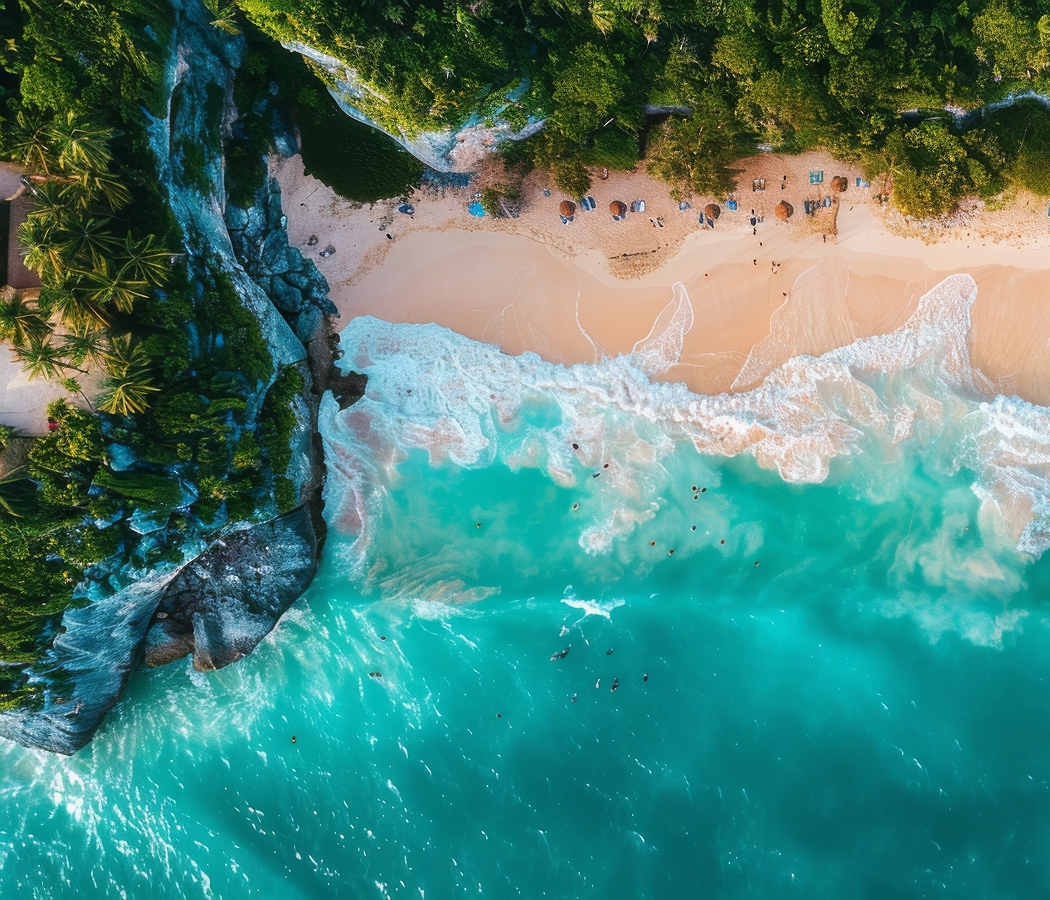
Begin at Playa El Tule, the exposed coastal beach situated along the Tourist Corridor between Cabo San Lucas and San José del Cabo. Its broad shoreline faces the open Sea of Cortez, with powerful surf and shifting sandbars establishing conditions that attract experienced surfers. The beach takes its name from the tule reeds historically associated with the region's freshwater environments, preserving a connection to the peninsula's natural vegetation. Rocky sections and seasonal changes in wave conditions create a rugged recreational landscape distinct from the sheltered swimming coves farther along the coast. The surrounding desert terrain and relatively undeveloped shoreline provide a striking introduction to the peninsula's relationship between arid geography and ocean recreation. Continue to Santa Maria Beach, the protected marine sanctuary occupying a distinctive horseshoe-shaped cove between substantial granite headlands. Its sheltered waters support an underwater environment where tropical fish gather around submerged rock formations and marine vegetation. The beach forms part of a federally protected marine area, establishing an important connection between recreational snorkeling and the conservation of coastal biodiversity. Morning conditions frequently provide favorable underwater visibility, allowing visitors to observe the distribution of reef-associated species across the rocky seabed. The surrounding granite formations demonstrate the geological processes that shaped southern Baja California's deeply indented coastline. Conclude at Chileno Beach, the established public swimming destination whose recreational infrastructure distinguishes it from the corridor's more secluded coastal environments. Its gently curving shoreline and relatively calm waters provide favorable conditions for swimming, with designated access routes connecting the beach to surrounding developments. Blue Flag recognition reflects environmental management standards encompassing water quality, safety and public facilities. Maintained showers, pedestrian pathways and organized recreational areas demonstrate the investment required to preserve public coastal access within a rapidly developing resort region. Snorkeling areas near the bay's rocky margins extend the beach's recreational character through encounters with tropical fish and other marine life. The progression moves from an exposed surf beach through a protected snorkeling sanctuary and concludes at a carefully managed public shoreline, revealing three distinct approaches to recreation and conservation along the Los Cabos coast.
Where your story begins.
Foresyte Travel reveals places that feel extraordinary long before you arrive.
Enjoy editorial crafted for luxury travelers.
Foresyte may earn a commission when you book.