Why Coyoacán matters.
Coyoacán is a heartbeat preserved in time, where the spirit of old Mexico lingers in every cobblestone, courtyard, and café.
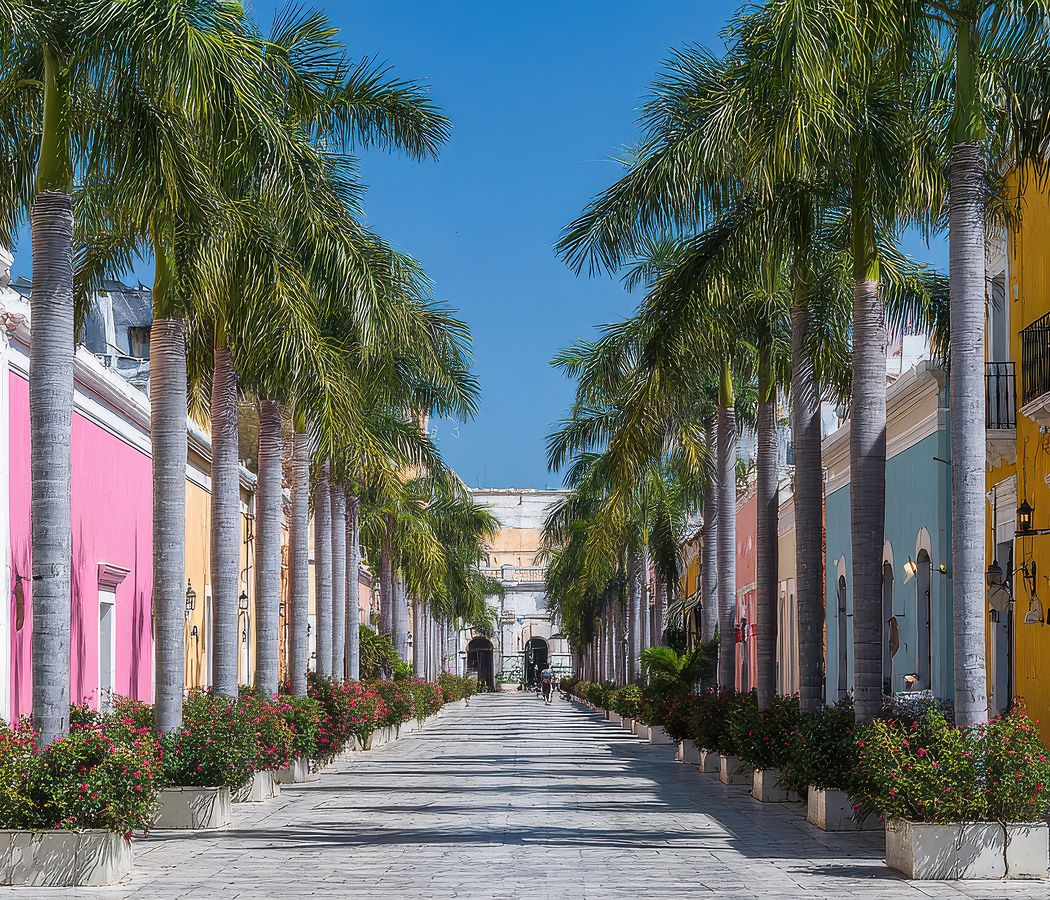
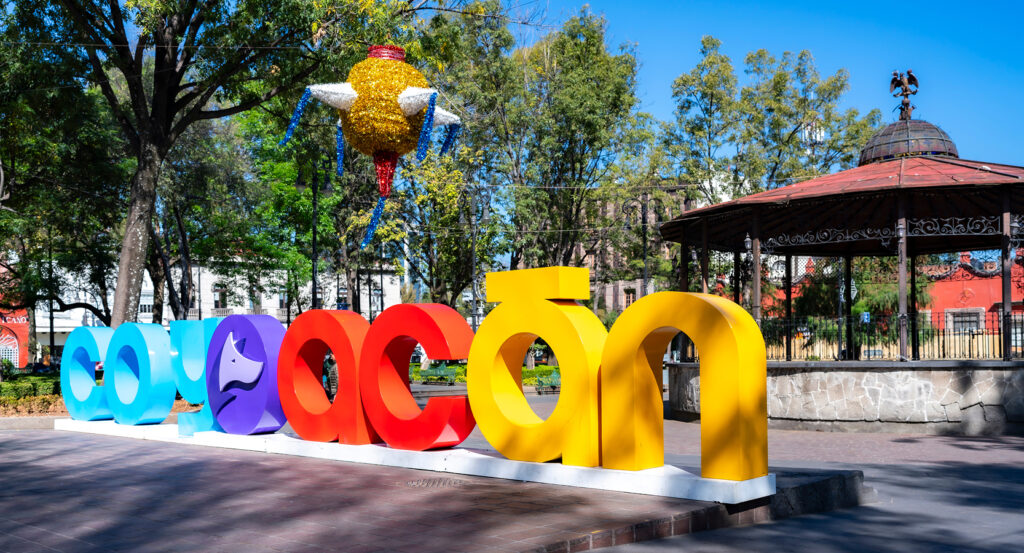
Located in the southern stretch of Mexico City, Coyoacán feels like a dream of color and calm woven into the urban sprawl, a colonial village that somehow resisted the city's rush. Its tree-lined plazas, energetic facades, and baroque churches exude a quiet dignity, as if the centuries have slowed down here on purpose. The neighborhood hums with artistry, from the gentle strumming of guitars in Plaza Hidalgo to the scent of roasted corn drifting through Jardín Centenario. Locals sip coffee beneath wrought-iron lamps while street vendors sell handmade crafts and churros dusted with sugar. Yet beneath the nostalgia, there's vibrancy: galleries, bookstores, and cultural centers keep the creative pulse alive. Coyoacán feels both ancient and immediate, a place where history doesn't sit behind glass but walks beside you, whispering softly in Spanish and color.
What defines Coyoacán.
Behind its peaceful charm lies a revolutionary heart, a neighborhood that has witnessed some of Mexico's most defining artistic and political moments.
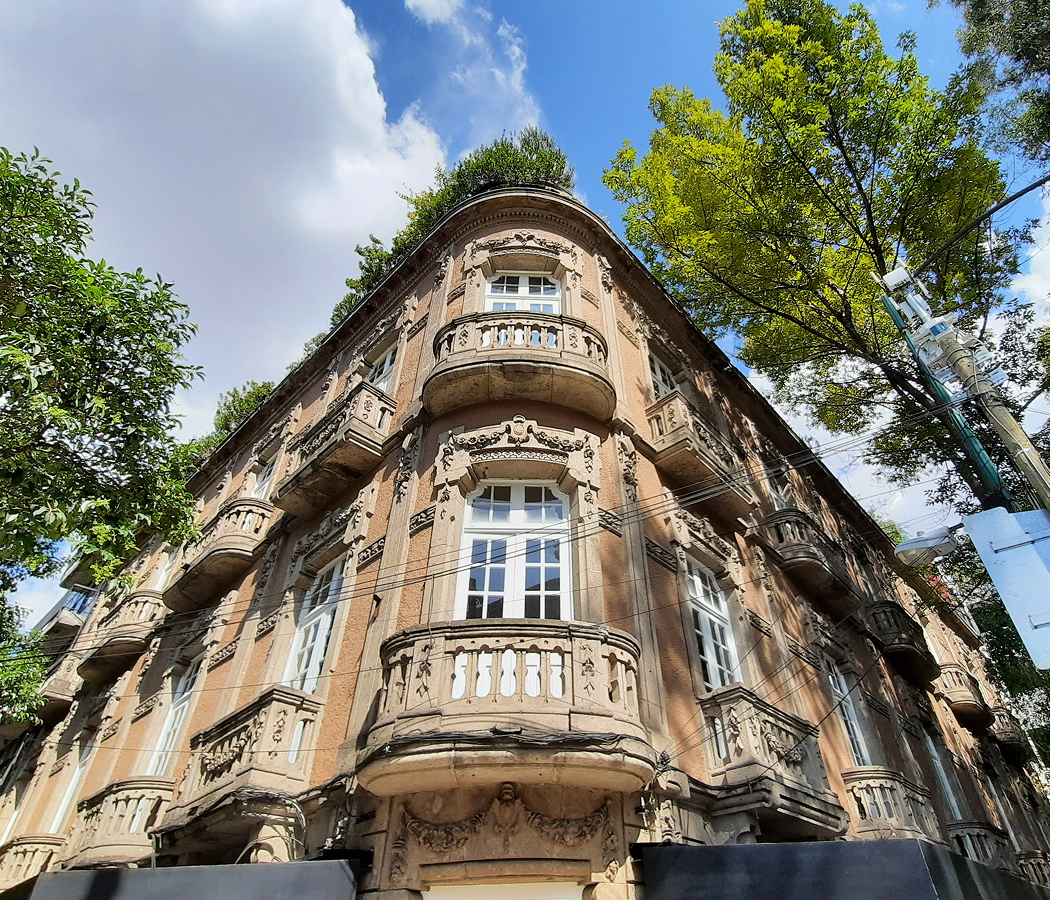
Coyoacán dates back to pre-Hispanic times, when it served as a settlement for the Tepanec people and later became the first Spanish headquarters after the fall of Tenochtitlán. Its colonial architecture, cobbled streets, and shaded plazas tell stories of centuries past, but its modern character was shaped by art. This is where Frida Kahlo was born, lived, and painted in her cobalt-blue sanctuary, La Casa Azul; where Diego Rivera sketched murals that would redefine Mexican identity; and where exiled Soviet leader Leon Trotsky found his final refuge. The mix of history and rebellion gave Coyoacán its soul, a blend of intellect, artistry, and defiance that continues to define it today. Even beyond its icons, the neighborhood pulses with creativity: street musicians serenade visitors outside colonial churches, artisans sell folk crafts at the Mercado de Coyoacán, and modern galleries coexist with centuries-old homes. Its name, meaning “place of coyotes” in Nahuatl, feels fitting; Coyoacán moves with quiet grace but carries a wild, unbreakable heart.
How Coyoacán fits.
To experience Coyoacán is to slow down and let the city's past and present breathe together around you.
Start the morning in the Plaza Hidalgo, sipping café de olla as sunlight filters through jacaranda trees. Wander through Jardín Centenario, where fountains and street performers bring life to the heart of the neighborhood. Visit La Casa Azul, the Frida Kahlo Museum, to stand within the vivid world of one of Mexico's greatest artists, surrounded by her paintings, personal artifacts, and gardens that seem to hum with her presence. Just a few blocks away lies the Leon Trotsky Museum, a haunting but essential stop for those intrigued by the political undercurrents that shaped 20th-century art and thought. Afterward, head to Mercado de Coyoacán for antojitos, tostadas piled high, tamales wrapped in banana leaves, and fresh agua de horchata to cool the heat of the day. Spend your afternoon browsing independent bookshops or relaxing in the courtyards of colonial-era cafés. As the sun begins to fade, the air fills with music and laughter, and the bells of San Juan Bautista ring across the square. Coyoacán doesn't demand attention, it earns it quietly, through texture, color, and time. It's where the city remembers what it means to feel, unhurried, human, and full of soul.
Where your story begins.
Foresyte Travel reveals places that feel extraordinary long before you arrive.
Enjoy editorial crafted for luxury travelers.
Foresyte may earn a commission when you book.