Why Downtown Cape Town matters.
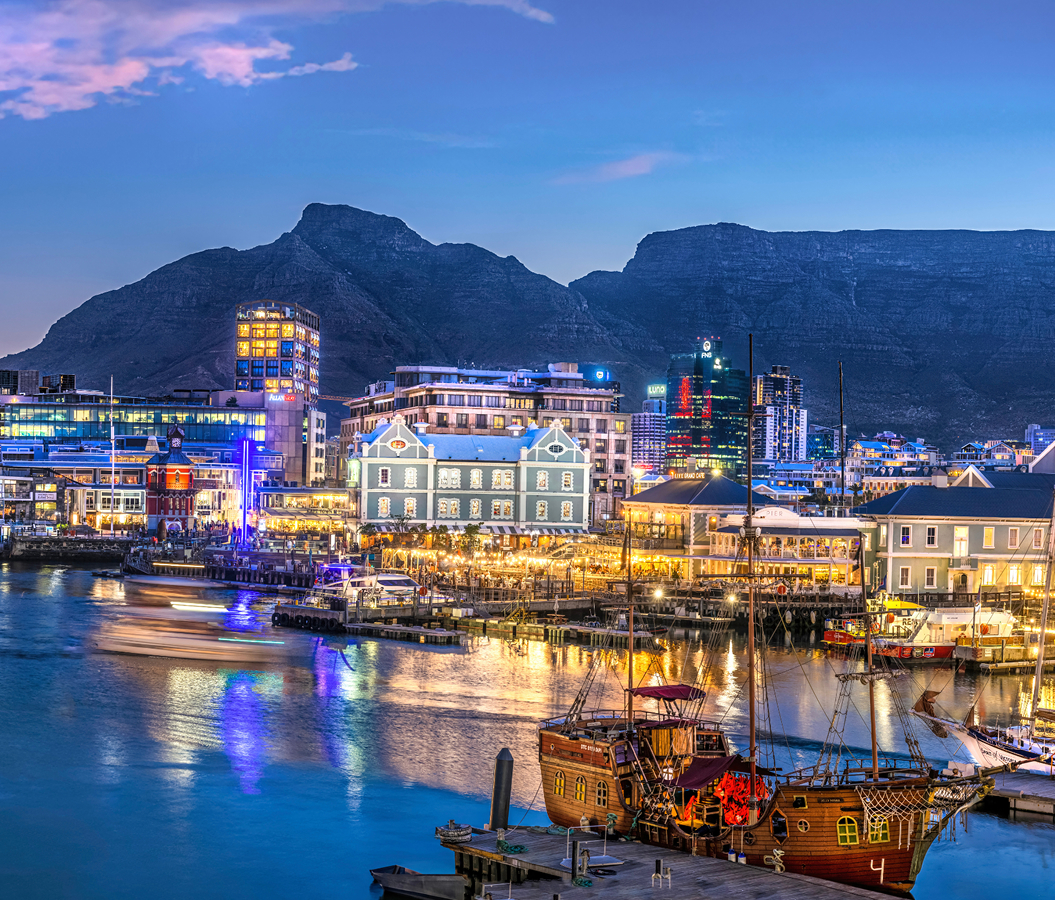
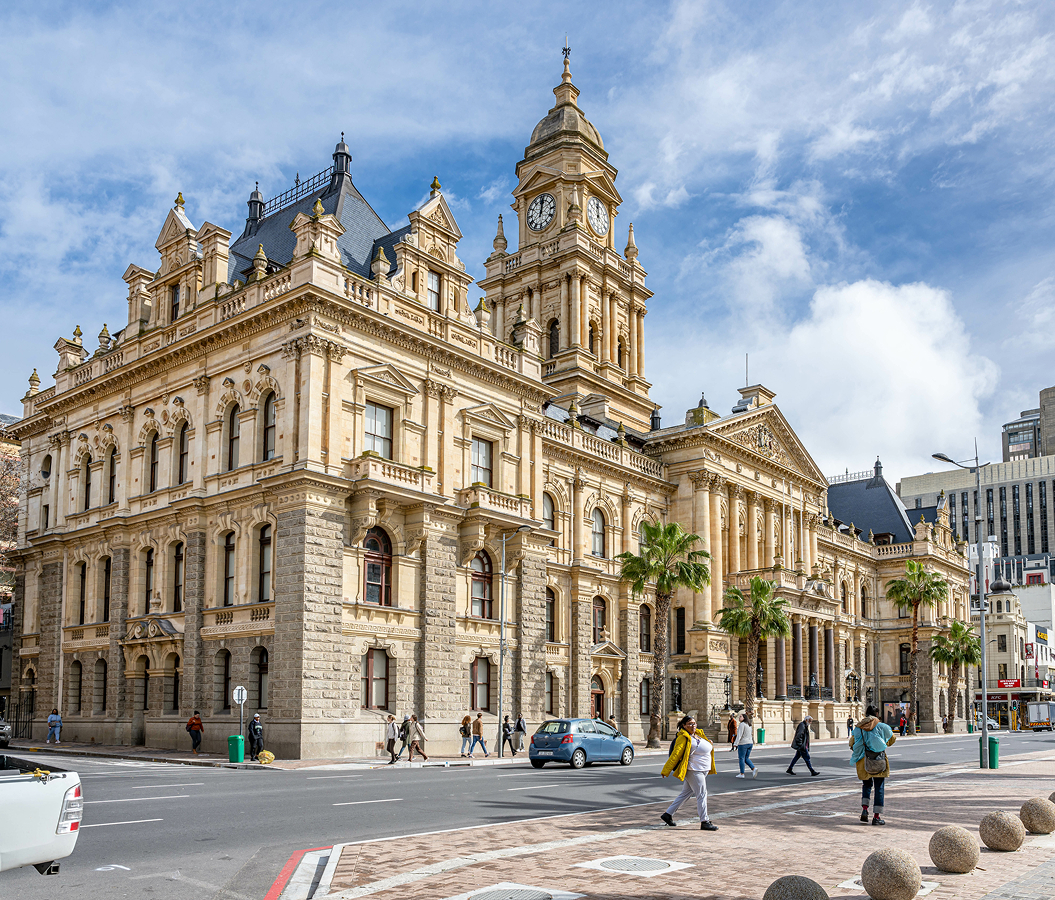
Downtown Cape Town is the historic and cultural heart of the city where colonial heritage, creative energy, and dramatic natural scenery converge beneath one of the world's most recognizable urban backdrops.
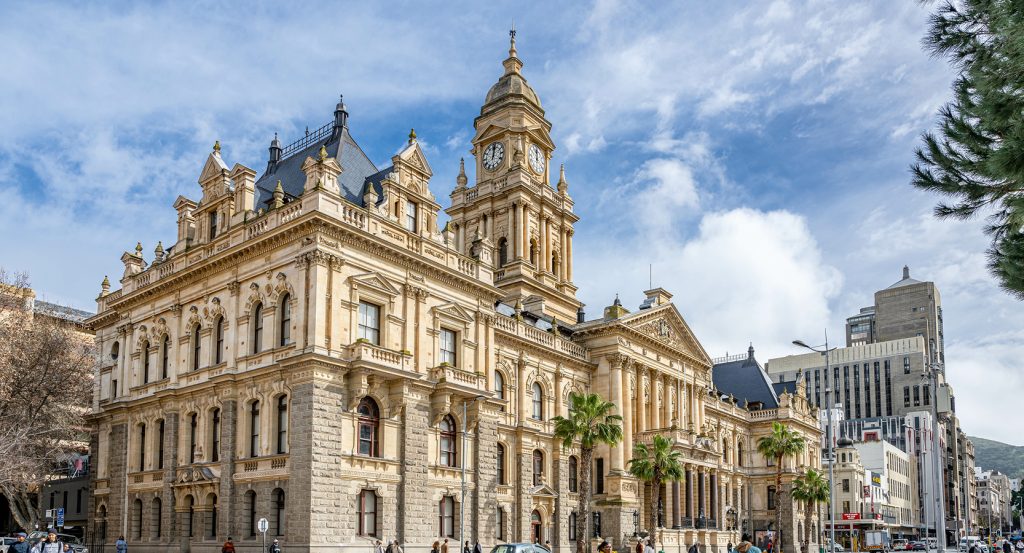
Historic buildings, energetic public squares, government institutions, art galleries, thriving markets, trendy cafés, cultural landmarks, and lively pedestrian streets create a district that captures the spirit of South Africa's oldest city. Established in the seventeenth century as a Dutch trading outpost, the area evolved into a major commercial, political, and cultural center connecting Europe, Africa, and Asia. Merchants, activists, artists, entrepreneurs, and civic leaders helped shape a district that witnessed many of the defining moments in South African history. Layers of architectural styles and cultural influences reflect centuries of transformation and resilience. Today, visitors encounter a neighborhood that feels energetic, diverse, and deeply historic. The result is a district defined by heritage, creativity, and urban vitality. To the east, Woodstock extends naturally from Downtown Cape Town through a network of commercial corridors, creative spaces, and historic neighborhoods, reinforcing the district's position within Central Cape Town.
What defines Downtown Cape Town.
Downtown Cape Town is best known for being home to the Castle of Good Hope, the oldest surviving colonial building in South Africa.
Constructed by the Dutch East India Company between 1666 and 1679, the fortress served as a strategic military and administrative center for the early Cape Colony. Its pentagonal design, defensive walls, and historic buildings provide a rare glimpse into the origins of European settlement in southern Africa. Over the centuries, the site played an important role in military, political, and civic affairs while surviving the city's continual expansion around it. Today, the castle functions as both a museum and a national heritage landmark, preserving a crucial chapter of South African history. Its significance extends far beyond Cape Town, making it among the country's most important historical sites. Few urban districts in Africa possess a landmark so closely associated with the founding of a modern city.
How Downtown Cape Town fits.
Downtown Cape Town works as an exploration of the historic landmarks, cultural institutions, and public spaces that define the center of South Africa's oldest city.
Begin at Castle of Good Hope, where the district's defining connection to colonial history, urban development, and national heritage immediately comes into focus. Continue toward Greenmarket Square, whose lively atmosphere and centuries of commercial activity reveal the social and economic traditions that have shaped the city across generations. From there, make your way to Company's Garden, where historic monuments, cultural institutions, and landscaped grounds provide a broader perspective on the civic and cultural significance that continue to define Downtown Cape Town today. Along the route, you'll encounter heritage buildings, public plazas, museums, community gathering spaces, government institutions, cultural landmarks, and architectural treasures that showcase the district's remarkable depth. The progression moves naturally from historic fortress to iconic marketplace to landmark public garden, revealing the forces that transformed Downtown Cape Town into one of Africa's most historically significant urban centers. Downtown Cape Town remains one of Cape Town's most rewarding destinations, preserving a remarkable balance between historical importance, cultural diversity, and contemporary city life.
Where your story begins.
Foresyte Travel reveals places that feel extraordinary long before you arrive.
Enjoy editorial crafted for luxury travelers.
Foresyte may earn a commission when you book.