Why you should experience Ecolodge Le Ravoraha in Île Sainte-Marie, Madagascar.
Ecolodge Le Ravoraha is where the island reveals its quietest, gentlest soul, where palm fronds sway above bright white sand, where the lagoon glimmers in calm sheets of turquoise and jade, and where every moment unfolds in that unhurried rhythm only Madagascar can teach you. Set along one of the most softly beautiful stretches of Île Sainte-Marie's southern coastline, the ecolodge blends barefoot simplicity with heartfelt Malagasy warmth, creating a stay that feels intimate, nature-held, and deeply restorative. This is the Sainte-Marie of quiet dawns, glowing afternoons, and long evenings where the only things that matter are breeze, ocean, and sky.
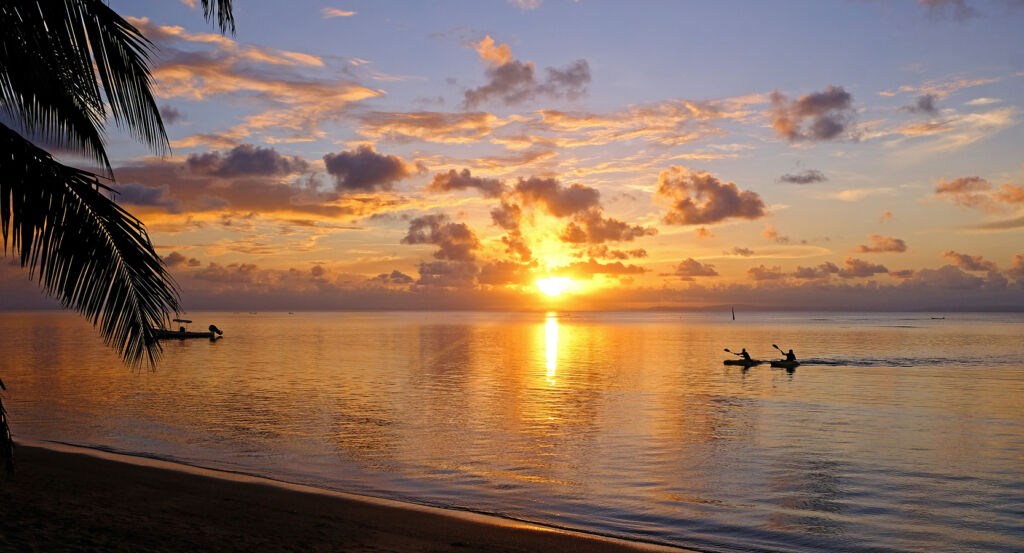
From the moment you arrive, Ecolodge Le Ravoraha gives you that unmistakable feeling of stepping into a small island sanctuary. The property sits directly on the beach, with bungalows tucked under tall coconut trees and woven seamlessly into the natural curve of the shoreline. Built with local materials, wood, bamboo, raffia, thatch, the architecture blends into the landscape so softly that the ecolodge feels less constructed and more grown from the earth itself. The atmosphere is warm, grounded, and unpretentious. Bungalows are simple but charming, with high thatched ceilings, wooden furniture crafted by local artisans, airy windows that let the breeze drift through, elegant mosquito nets draped over soft beds, and open verandas where you can sit in quiet peace as the world moves slowly around you. Some bungalows look out to the lagoon, where water glimmers in sunrise gold. Others sit along gardens alive with flowers, butterflies, and the gentle hum of island insects. Step outside and you're already on sand, soft, powdery, and warm beneath your feet. The beach at Ecolodge Le Ravoraha is long, peaceful, and luminous, stretching into the distance like a pale ribbon between forest and sea. The lagoon is shallow and calm, protected by offshore coral reef formations that soften waves into a gentle hush. It's perfect for long, lazy swims, wading through warm water, and floating beneath endless Pacific-blue sky. This is not a place of crowds or noise. It's a place where you can walk for an hour along the beach without seeing another traveler, just fishermen in wooden pirogues gliding across the horizon, children collecting shells, and palm trees leaning toward the sea as if drawn by its light. Ecolodge Le Ravoraha also sits near one of the island's most historically significant sites: the renowned Pirate Cemetery, a reminder of Sainte-Marie's dramatic past. But the lodge itself brings you firmly into the present, where life moves more slowly and beautifully than anywhere else. The restaurant adds to the charm. Meals are served in a breezy open-air space where you can hear the whisper of waves and feel the ocean breeze cooling the warm afternoon air. Expect fresh seafood, grouper, lobster, red snapper, prawns, along with Malagasy curries, coconut-based dishes, fragrant rice, zebu preparations, bright tropical fruit, warm breads, and decadent desserts infused with Madagascar's vanilla. Everything is made with local ingredients and heartfelt intention. Evenings at the ecolodge are soft and luminous. Sunset spreads warm color across the lagoon, shifting from gold to rose to violet. Lanterns glow along the pathways. The sky fills with stars so bright they almost look painted. And the air takes on that soft, velvety quality unique to Sainte-Marie's nights. Ecolodge Le Ravoraha is barefoot, nature-embraced, ocean-wrapped, soulful, and quietly magnetic, an intimate refuge where time slows and the island's warmth settles gently into your bones.
What you did not know about Ecolodge Le Ravoraha.
Ecolodge Le Ravoraha sits on one of the most ecologically, culturally, and historically layered sections of Île Sainte-Marie, an area shaped by ancient coral uplift, lagoon ecosystems, pirate lore, and deep Malagasy tradition.
The southern coastline of Sainte-Marie, including the stretch around Le Ravoraha, is not volcanic like other islands in Madagascar. Instead, it was formed primarily from coral reef uplift millions of years ago. This geological origin gives the region its limestone-rich soil, shallow lagoons, and powder-soft biogenic sand made from coral erosion and shell fragments. The beach in front of the ecolodge owes its whiteness to generations of parrotfish grazing on coral, a process that turns coral fragments into fine sand that washes ashore with each tide. The water remains calm year-round because of a protective belt of coral reefs offshore. These reefs disperse wave energy, creating the warm, glassy lagoon that has become one of the island's most iconic natural treasures. Beneath the surface, the reefs host an entire underwater microcosm, anemones swaying with clownfish, parrotfish scraping coral, colorful wrasses, rays drifting across sand channels, sea cucumbers filtering the seafloor, and juvenile species using the lagoon as a sheltered nursery. The turquoise glow of the lagoon is a natural optical effect created by sunlight refracting through shallow, clear water over pale substrate. Minerals suspended in the water enhance clarity, making the water appear almost luminous at midday. The area around Le Ravoraha is deeply influenced by seasonal monsoon patterns. The southeastern trade winds bring moisture that feeds the island's dense vegetation, pandanus, coconut palms, traveling palms, banana trees, vanilla vines, wild orchids, and medicinal plants used by local healers for centuries. The forest near the ecolodge is part of an ecological corridor that supports wildlife like lemurs, chameleons, geckos, sunbirds, white-eyes, drongos, butterflies, and countless endemic insects. Tidal rhythms here are shaped by the channel between Sainte-Marie and mainland Madagascar. At low tide, wide sandbars appear, revealing tide pools filled with starfish, juvenile reef fish, and delicate marine life. At high tide, the lagoon deepens into warm turquoise perfect for swimming. Historically, the coastline near Le Ravoraha is among the most important pirate regions in Madagascar. In the 17th and 18th centuries, Île Sainte-Marie was a renowned pirate haven due to its protected bays, fresh water sources, and strategic location along Indian Ocean trade routes. The famous Pirate Cemetery, just a short walk from the ecolodge, still holds stone markers with faint engravings dating back centuries, and local stories trace their origins to figures like Captain Kidd and Thomas Tew. Culturally, the villages surrounding Le Ravoraha practice traditional Malagasy coastal life. Fishing remains central, with wooden pirogues carved using techniques passed down across generations. Songs, rituals, and fady (taboos) govern the rhythms of daily life, preserving harmony between land, sea, and spirit. The area also plays an important role in annual whale migration; from July to September, humpback whales use the Sainte-Marie channel as a breeding ground, creating one of the most spectacular natural events in the Indian Ocean.
How to fold Ecolodge Le Ravoraha into your trip.
Ecolodge Le Ravoraha becomes your soft, slow, sunlit island refuge, a place where mornings unfold gently, days drift between ocean calm and cultural discovery, and evenings settle into warm, starlit quiet shaped by breeze and lagoon light.
Start the morning with coffee on your veranda as sunlight reflects off the lagoon in soft gold. Watch palm shadows dance across the sand. Listen to the gentle hush of small waves brushing the shore. Feel the first warm air of the day drift across your skin. Then head to breakfast, tropical fruit, warm pastries, Madagascar coffee, eggs, coconut-infused dishes, and vanilla-scented treats served in an open-air dining area with ocean views. After breakfast, walk straight into the lagoon. Swim through warm, shallow water glowing jade and turquoise. Paddleboard along the coastline. Explore tide pools at low tide. Walk barefoot across powder-soft sand that stretches for kilometers. Or simply float in calm blue silence, letting the island's rhythm seep into your bones. For late-morning exploration, wander to the Pirate Cemetery, a quiet, atmospheric spot full of history and legends. Visit nearby villages where you can see wooden pirogues being shaped by hand and listen to fishermen singing as they repair nets. Explore the island's lush interior trails, alive with butterflies, chameleons, and tropical vegetation. Return to Ecolodge Le Ravoraha for lunch, grilled fish, prawns, zebu dishes, coconut curries, bright salads, and desserts blooming with Madagascar vanilla. Enjoy your meal with ocean breeze threading through the restaurant, the air scented with salt and tropical flowers. Then sink into a dreamy, unhurried afternoon. Nap beneath a palm. Read on your veranda. Swim again as the lagoon deepens into bright turquoise. Take a quiet kayak ride alongside the coastline. Walk the beach collecting shells shaped by centuries of tide. Or simply sit in silence listening to wind move through coconut leaves. As late afternoon arrives, light turns golden and soft. The lagoon glows in warm color. Breeze becomes velvety. Sit on the sand with a drink in hand as the world slows down around you. Watch pirogues return to shore. Listen to gentle laughter from nearby homes. Then comes sunset, a gentle wash of gold, rose, coral, lavender, and deepening indigo. Lanterns glow across the ecolodge. Dinner unfolds in candlelit warmth, fresh seafood, Malagasy spices, and island dishes prepared with soulful simplicity. After dinner, walk along the beach beneath a sky overflowing with stars. Listen to waves whisper against the shore. Feel warm night air settling softly around you. End your day in deep, soulful peace. Ecolodge Le Ravoraha becomes not just where you stay, but the quiet, nature-held heart of your entire Sainte-Marie journey.
Where your story begins.
Foresyte Travel reveals places that feel extraordinary long before you arrive.
Experience premium editorial crafted for luxury travelers.