Why you should experience Fairmont Mayakoba in Mexico.
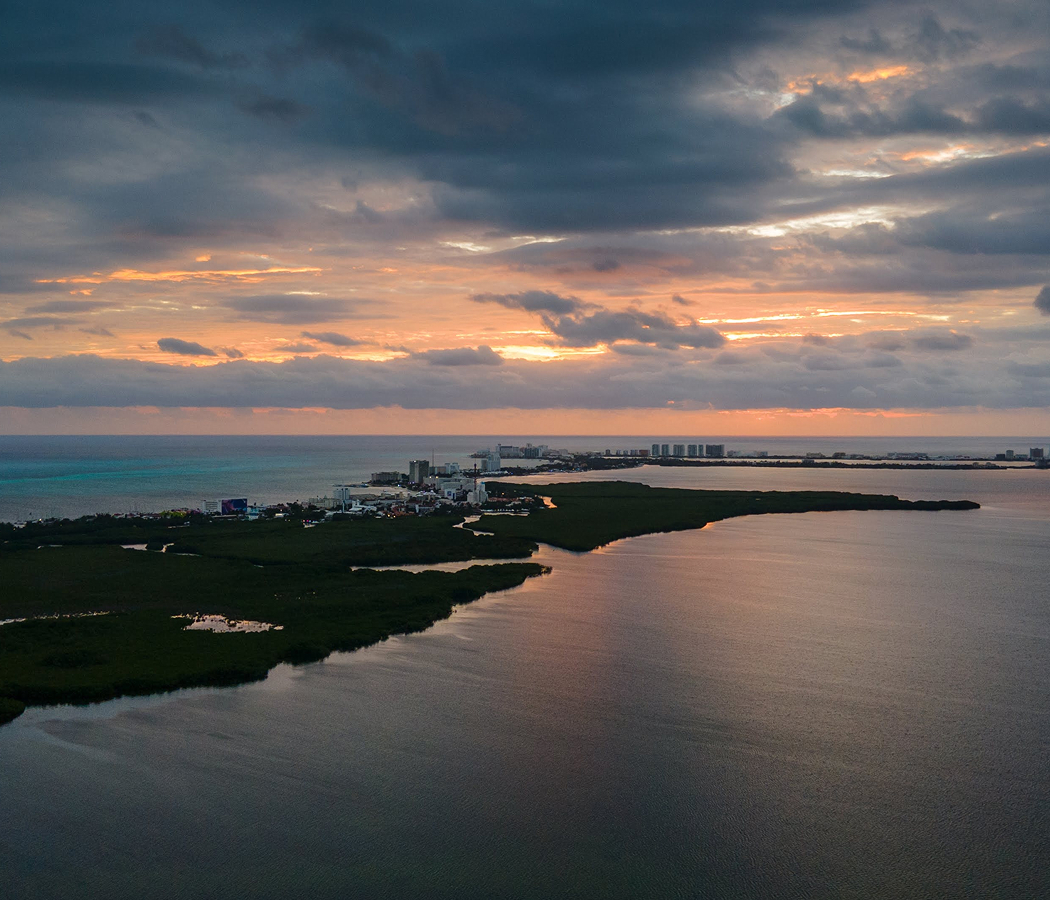
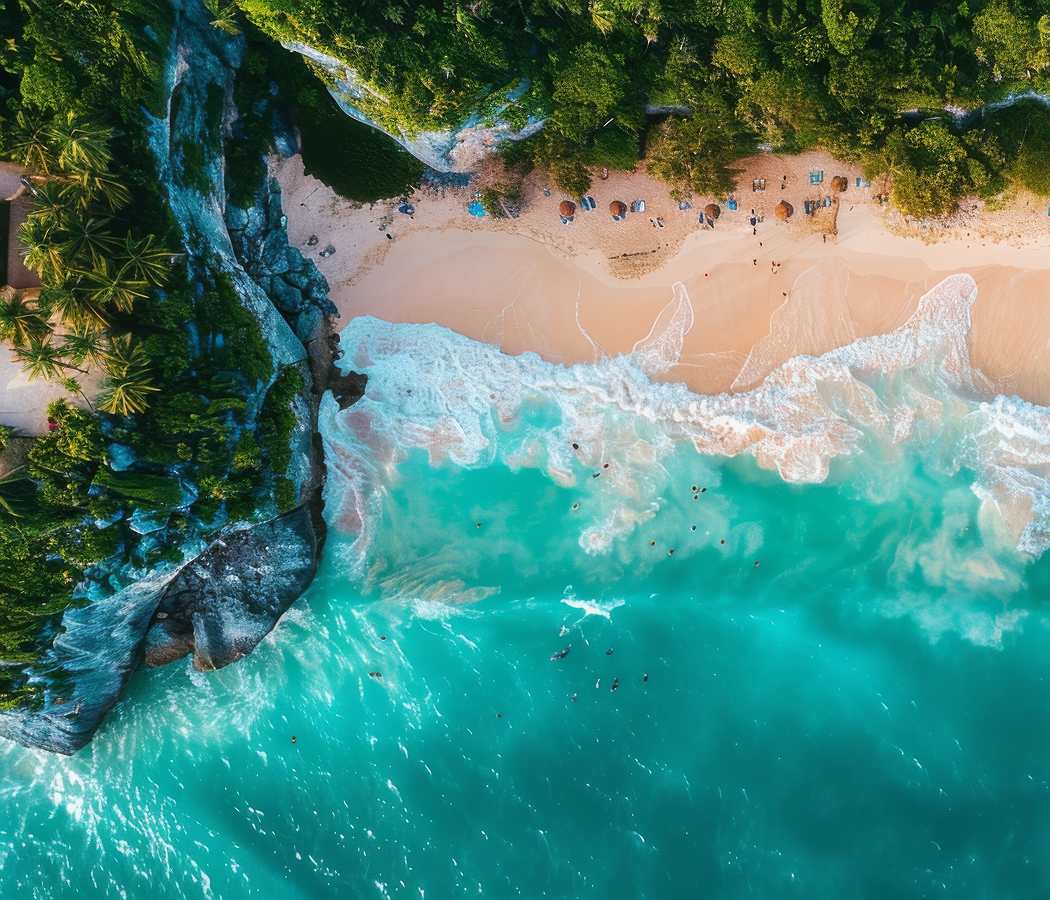
Fairmont Mayakoba is where the idea of a resort expands into an entire living ecosystem, where water, jungle, beach, and architecture collaborate to create an experience that feels immersive, fluid, and quietly monumental.
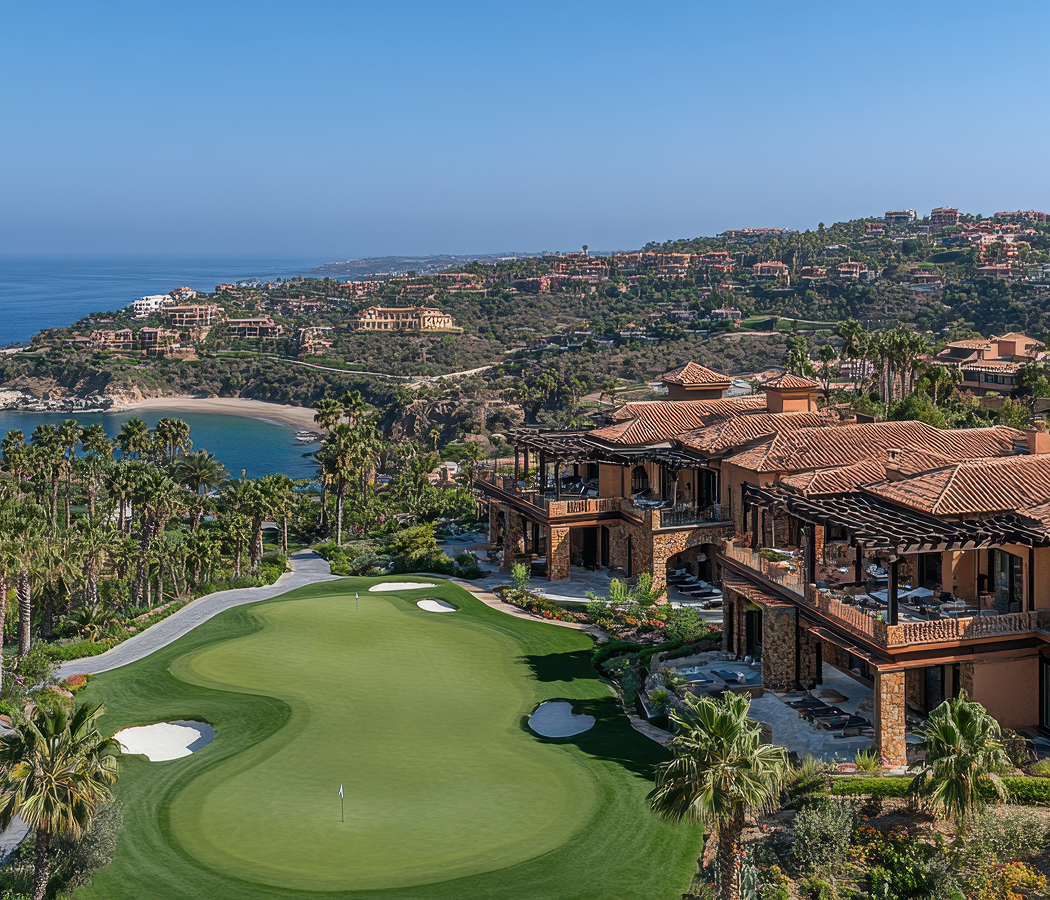
This is not a place you simply stay. It is a place you enter, slowly and deliberately, until the outside world becomes irrelevant. From the moment you pass into Mayakoba's protected natural reserve, the rules change. Roads soften into winding paths. Sound lowers its register. The air thickens with heat, salt, and greenery. Fairmont Mayakoba doesn't announce itself with spectacle; it unfolds through proximity. Lagoons appear beside you. Mangroves close in protectively. The sense is not of arrival, but of absorption. You are being taken in by something much larger than a hotel. Architecture here is expansive. The Fairmont does not rise above the land, it stretches through it. Buildings are woven into jungle and water, connected by canals, bridges, and shaded walkways that encourage movement. Golf carts and boats replace cars, immediately altering how you inhabit space. You don't rush here. You glide. That change alone recalibrates your nervous system. Rooms and casitas are positioned for privacy and orientation. Whether lagoon-facing, jungle-wrapped, or beach-adjacent, every space feels deliberately placed, as if the land itself dictated where walls should stop and views should begin. Your room feels expansive, grounded, and quietly luxurious, not precious, not theatrical. Natural materials dominate. Light moves generously. Balconies invite long pauses. You don't feel watched here. You feel situated. Mornings at Fairmont Mayakoba arrive with a sense of scale. Light filters through palms, reflects off water, and enters your space gradually. The day does not demand you wake, it waits. Breakfast becomes a decision shaped by mood rather than schedule: lagoon-side quiet, beach-facing openness, or something in between. There is no wrong choice because the environment does not compete with itself. Afternoons stretch effortlessly. You move between pool, beach, spa, golf course, and shaded paths. The resort's size. You can always find energy or escape, movement or stillness. Children laugh somewhere distant. Couples disappear into privacy. Solo travelers drift unnoticed. Fairmont Mayakoba does not force convergence, it allows coexistence. As evening approaches, the resort shifts subtly. Light softens. Water darkens. Pathways glow. Dining becomes atmospheric. Whether casual or refined, meals feel anchored in place. Conversation slows. Silence becomes comfortable. Somewhere between the immensity of the setting and the ease with which everything functions, you realize the truth of Fairmont Mayakoba. This is not luxury defined by exclusion or indulgence. It is luxury defined by capacity, the capacity to hold many kinds of travelers, many moods, many rhythms.
What you should know about Fairmont Mayakoba.
Fairmont Mayakoba was designed as a living system rather than a traditional resort, and that distinction shapes every moment of the experience.
Unlike resorts that centralize activity and performance, Fairmont Mayakoba disperses it. The property is intentionally vast, not to impress, but to dilute intensity. This allows guests to occupy the space in radically different ways. Families, couples, conference attendees, solo travelers, and long-stay guests all coexist here without friction because the resort was engineered for multiplicity. Another lesser-known dimension of Fairmont Mayakoba is its relationship with the land itself. The lagoons, mangroves, and waterways are not decorative, they are protected ecosystems. The resort was built around them, not over them. Wildlife moves freely. Birds, fish, and reptiles are part of the daily landscape. This proximity to life creates a sense of groundedness that no amount of design can replicate. You feel part of something. Service culture reflects this systemic intelligence. With a property of this scale, service could easily feel mechanical, but instead, it feels adaptive. Staff operate with a calm competence that keeps the experience flowing. Needs are met quietly. Transitions are smooth. You rarely feel bottlenecks or pressure points. The resort understands that friction breaks immersion, and everything here is designed to prevent it. Fairmont Mayakoba also occupies a unique position within the Mayakoba complex itself. It is the most expansive and socially versatile of the resorts, offering a broader range of experiences. This makes it especially appealing to travelers who want both activity and retreat. Over time, guests often realize that staying at Fairmont Mayakoba reshapes how they understand resort luxury. It stops being about perfection or exclusivity and becomes about resilience, how well a place adapts to your needs without asking you to adapt to it. Fairmont does not explain this philosophy. It allows scale, nature, and thoughtful design to demonstrate it quietly.
How to fold Fairmont Mayakoba into your trip.
Fairmont Mayakoba works best when you treat it as a landscape.
Begin by resisting the urge to see everything. The resort rewards repetition more than completion. Choose a morning rhythm and return to it. Let breakfast happen in the same place more than once. Walk the same shaded path twice. Familiarity deepens the experience here far more than novelty. Use the lagoon system as your primary orientation. Boat rides are not transportation alone, they are transitions that slow thought and recalibrate attention. Schedule activities loosely, allowing space between them to matter as much as the activity itself. Spend one full day doing nothing beyond moving between pool, water, and shade. This is not wasted time here; it is essential. When you engage the spa, do so mid-stay rather than at the beginning or end. Let it act as a hinge. Golfers should treat the course not as competition but as immersion, the landscape matters more than the score. Evenings are best approached. Choose dining based on mood. Let some nights be quiet and early. Let others stretch longer if they want to. Over multiple days, something unmistakable happens. Your sense of urgency dissolves. Your awareness widens. You stop trying to extract value from the resort and start living inside it.
Where your story begins.
Foresyte Travel reveals places that feel extraordinary long before you arrive.
Experience premium editorial crafted for luxury travelers.