
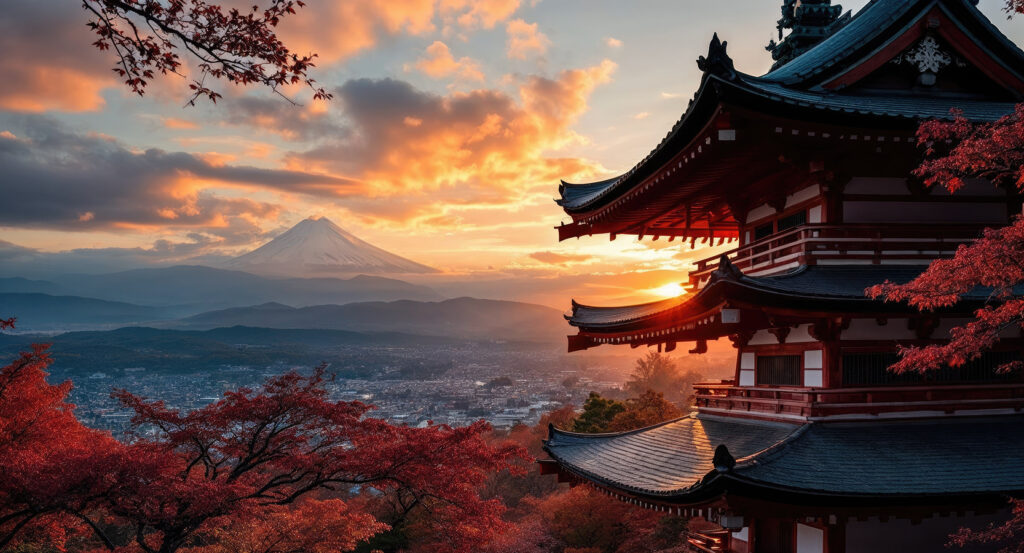
Why Fushimi matters.
Fushimi Ward is a district where sacred mountains, renowned sake traditions, and centuries of Japanese history converge across one of the most culturally significant landscapes in the ancient capital.
Historic shrines, traditional breweries, scenic canals, temple complexes, preserved merchant districts, and forested hillsides create a neighborhood that blends spiritual heritage with everyday local life. For centuries, Fushimi served as an important transportation and commercial hub linking Kyoto to the wider region through river networks and trade routes. Its strategic location fostered the growth of prosperous merchant communities while supporting some of Japan's most important religious institutions. Today, visitors encounter a district where cultural traditions remain deeply embedded in the urban fabric, from centuries-old sake breweries to sacred pilgrimage routes. The result is a neighborhood that feels authentic, historic, and profoundly connected to Kyoto's heritage. To the north, Minami Ward's transportation corridors and historic districts extend naturally from Fushimi Ward, Kyoto toward the center of the city, reinforcing the neighborhood's position within one of Japan's most treasured cultural landscapes. Every shrine pathway, canal bank, and brewery district reflects a neighborhood shaped by faith, commerce, and tradition.
What defines Fushimi.
Fushimi Ward is best known for being home to Fushimi Inari Taisha, among Japan's most famous shrines and the head shrine of thousands of Inari shrines throughout the country.
Founded more than thirteen centuries ago, the shrine became the principal center of worship for Inari, the Shinto deity associated with rice, prosperity, and business success. Its iconic network of thousands of vermilion torii gates ascending Mount Inari created one of the most recognizable and photographed landscapes in Japan. Pilgrims, merchants, and travelers have visited the shrine for generations, helping establish it as one of the nation's most important religious destinations. Today, millions of visitors walk its sacred pathways each year while experiencing a spiritual tradition deeply rooted in Japanese culture. Few sites in Japan possess such a powerful combination of religious significance, visual identity, and national recognition.
How Fushimi fits.
Fushimi Ward works as an exploration of the sacred landmarks, historic brewery districts, and cultural treasures that define one of Kyoto's most distinctive neighborhoods.
Begin at Fushimi Inari Taisha, where the neighborhood's defining connection to spiritual heritage and Japanese tradition immediately comes into focus. Continue toward the Fushimi Sake District, whose historic breweries and preserved streets reveal the commercial traditions that helped shape the area for centuries. From there, make your way to the Horikawa Canal district, where scenic waterways, historic architecture, and cultural landmarks provide a broader perspective on the transportation networks that fueled Fushimi's prosperity. Along the route, you'll encounter shrine pathways, traditional breweries, neighborhood cafés, historic merchant buildings, cultural institutions, scenic walkways, and architectural landmarks that showcase the neighborhood's remarkable depth. The progression moves naturally from sacred mountain shrine to brewing heritage district to historic canal corridor, revealing the forces that shaped the neighborhood. Fushimi Ward, Kyoto remains one of Japan's most rewarding destinations, preserving a remarkable balance between spiritual significance, cultural heritage, and everyday local life.
Where your story begins.
Foresyte Travel reveals places that feel extraordinary long before you arrive.
Enjoy editorial crafted for luxury travelers.
Foresyte may earn a commission when you book.

















































































































