
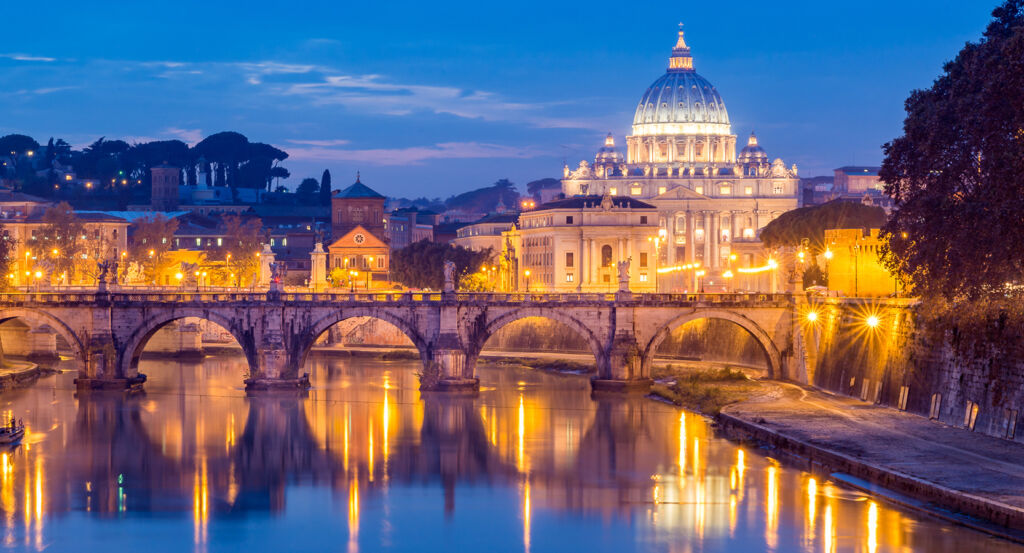
Why you should experience Garbatella in Rome, Italy.
Garbatella is a garden district of character and community, where architectural charm, working-class heritage, and cultural character converge within one of Rome's most beloved neighborhoods.
Garden courtyards, winding streets, colorful façades, neighborhood squares, local cafés, historic housing complexes, and community gathering spaces create a district celebrated for its distinctive atmosphere and human-scale design. Established in 1920 as part of an ambitious social housing initiative, Garbatella was designed to provide affordable, dignified living environments for workers and families connected to Rome's growing industrial economy. Architects, planners, laborers, artists, and residents helped shape a neighborhood defined by creativity, accessibility, and social cohesion. Over generations, Garbatella developed a fiercely independent character while preserving many of its original architectural features and communal spaces. Today, visitors encounter a district where local traditions and neighborhood pride remain deeply woven into daily culture. The result is a neighborhood that feels authentic, welcoming, and unmistakably Roman. To the west, Ostiense's celebrated industrial landmarks, cultural venues, and creative spaces extend naturally from Garbatella across one of Rome's most dynamic urban corridors, reinforcing the neighborhood's role within the city's modern evolution. Every courtyard, staircase, and public square reflects a district shaped by community, innovation, and resilience.
What you should know about Garbatella.
Garbatella is best known for being designed according to the Garden City movement, blending residential housing with communal courtyards, gardens, and shared public spaces intended to foster stronger social connections among residents.
Inspired by urban planning ideas that emerged in Britain during the late nineteenth and early twentieth centuries, Garbatella's designers sought to create a healthier and more socially connected alternative to dense urban development. Residential clusters were organized around gardens, courtyards, and pedestrian-friendly spaces that encouraged interaction among neighbors. The resulting layout created a unique urban environment that balanced architectural beauty with practical community needs. Its success established Garbatella as one of Italy's most important examples of socially focused residential planning. The neighborhood continues to preserve much of its original design philosophy today. Few neighborhoods possess an urban form so closely associated with a landmark movement in city planning.
How to fold Garbatella into your trip.
Garbatella works as an exploration of the historic courtyards, architectural landmarks, and community spaces that define one of Rome's most distinctive neighborhoods.
Begin at Piazza Benedetto Brin, where the neighborhood's defining connection to its Garden City origins immediately comes into focus. Continue toward the historic residential lotti, whose unique architectural compositions reveal the planning principles that shaped the district for generations. From there, make your way to Palladium Theatre, where cultural programming and community life provide a broader perspective on the creative spirit that continues to define Garbatella today. Along the route, you'll encounter landscaped courtyards, neighborhood cafés, public gardens, historic staircases, architectural landmarks, cultural venues, and community gathering places that reveal the district's remarkable character. The progression moves naturally from civic centerpiece to residential landmark to cultural institution, revealing the forces that shaped the neighborhood. The experience showcases a side of Rome defined by architectural innovation, neighborhood identity, and enduring community spirit.
Where your story begins.
Foresyte Travel reveals places that feel extraordinary long before you arrive.
Experience premium editorial crafted for luxury travelers.




















































































































