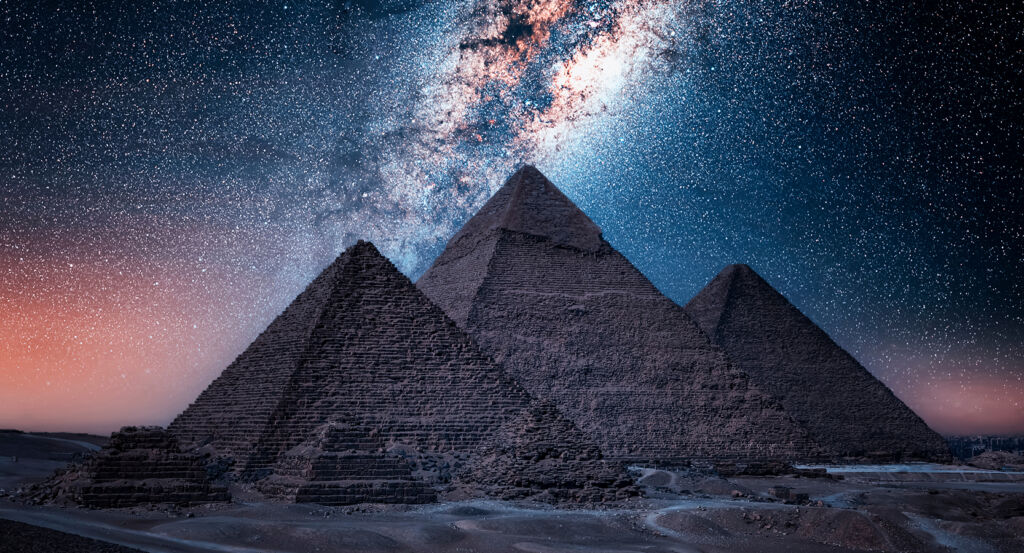
Why Giza matters.
Giza is an ancient crossroads where pharaohs, dynasties, and modern Egypt converge beneath some of the most recognizable monuments ever created by human civilization alongside neighboring Old Cairo.
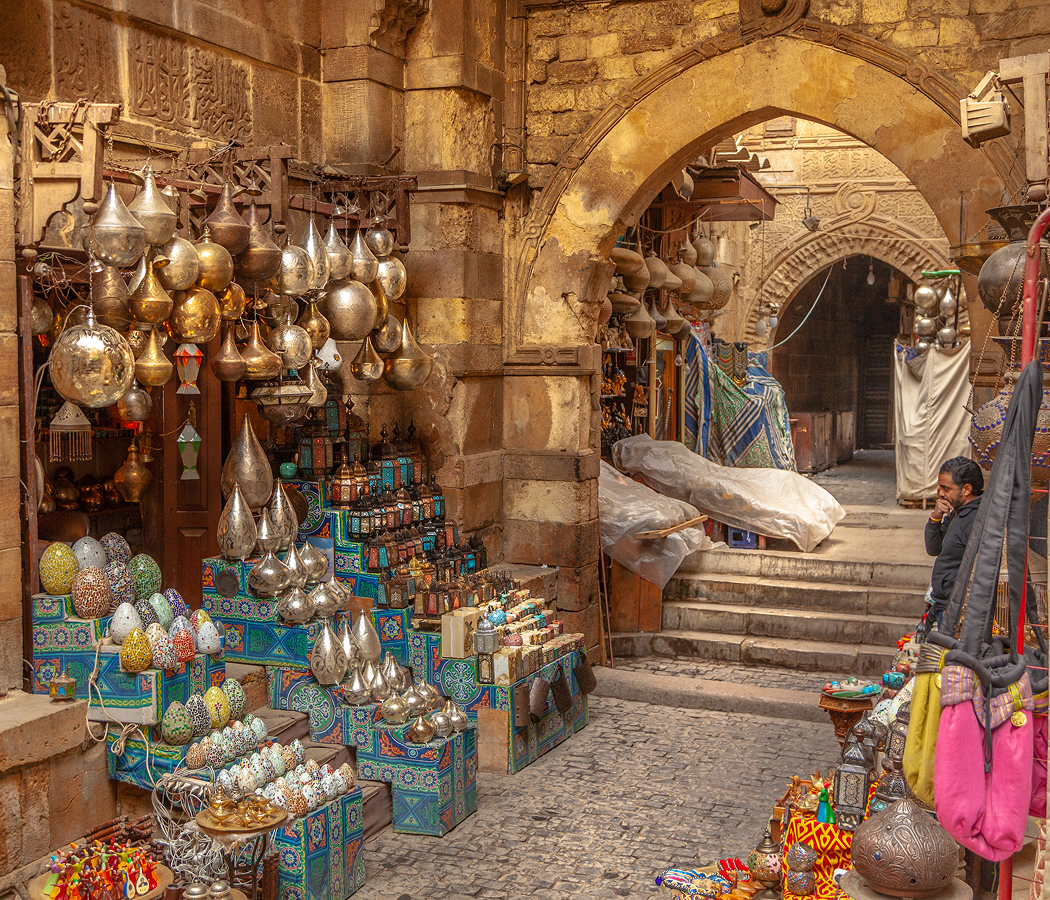
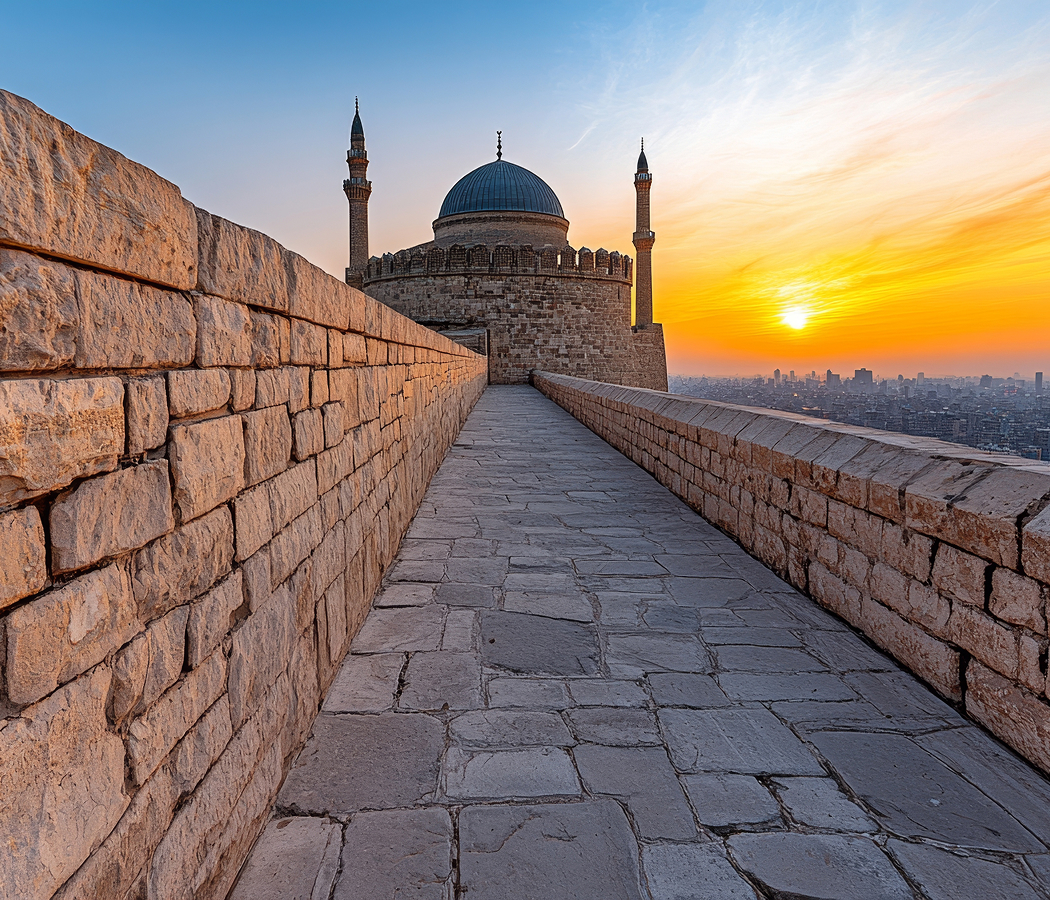
The district unfolds across a dramatic transition between the fertile Nile Valley and the vast Sahara Desert, creating a landscape that has captivated travelers, rulers, scholars, and pilgrims for thousands of years. Apartment blocks, universities, markets, and busy thoroughfares animate the modern city while the silhouettes of colossal stone monuments rise unexpectedly above the horizon. Horse-drawn carriages move across desert plateaus where royal processions once passed. Calls to prayer echo through neighborhoods that continue to grow beneath structures already ancient when the Roman Empire emerged. The scale is difficult to overstate. Massive limestone blocks stand where they were placed more than four millennia ago. Generations of Egyptians have lived, traded, worshipped, and built communities in the shadow of these landmarks. Giza functions simultaneously as a living urban center and one of humanity's most important archaeological landscapes, preserving a direct connection to the origins of civilization itself.
What defines Giza.
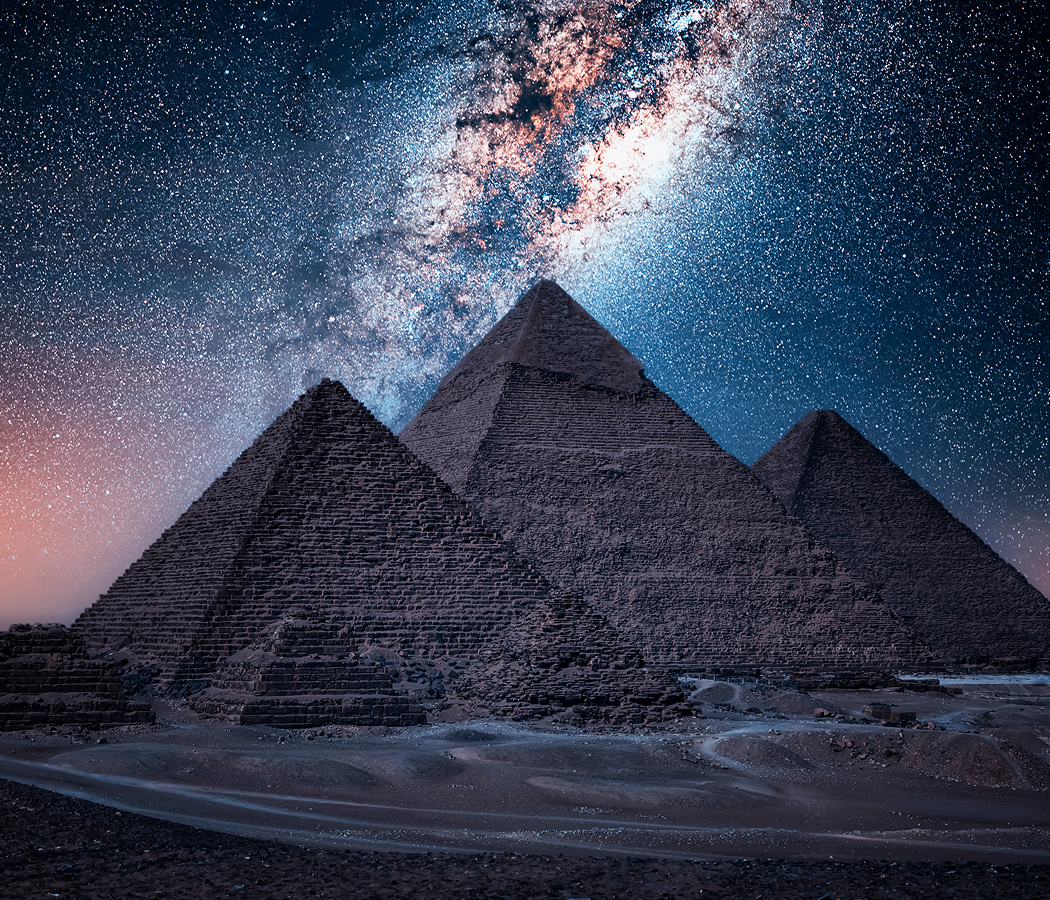
Giza is best known for being home to the Great Pyramid of Khufu, the oldest and largest of the three pyramids at the Giza Pyramid Complex and the only surviving Wonder of the Ancient World.
Constructed during Egypt's Fourth Dynasty more than 4,500 years ago, the monument remains one of the most extraordinary engineering achievements in human history. Its survival across millennia transformed Giza into a global symbol of ancient Egypt and established the district as one of the world's most significant cultural destinations. The Great Pyramid forms part of a broader archaeological landscape that includes royal tombs, temples, causeways, cemeteries, and the iconic Great Sphinx. Together, these monuments provide an unparalleled record of one of history's most influential civilizations. Yet Giza's character extends beyond archaeology alone. The district has evolved into a major urban center within Greater Cairo, supporting millions of residents while serving as a gateway between Egypt's ancient heritage and contemporary life. Few places on earth contain such a profound intersection of living city and expansive history.
How Giza fits.
Giza works as a journey through the monuments, history, and cultural legacy that continue to define Egypt's place within world civilization.
Begin at the Great Pyramid of Khufu, where the scale and precision of the ancient world immediately come into focus. Continue toward the Great Sphinx of Giza, whose enigmatic presence has inspired fascination for thousands of years while serving as one of the most recognizable sculptures on earth. From there, make your way to the Grand Egyptian Museum, whose extraordinary collection of artifacts provides essential context for understanding the civilization that produced these expansive achievements. The progression moves naturally from architectural wonder to symbolic landmark to historical interpretation, creating a deeper understanding of the forces that shaped ancient Egypt. Along the way, desert vistas, archaeological remains, and modern cityscapes reveal the remarkable continuity that defines the district. Giza remains one of humanity's great cultural landscapes, preserving monuments and stories that continue to shape the world's understanding of history itself.
Where your story begins.
Foresyte Travel reveals places that feel extraordinary long before you arrive.
Enjoy editorial crafted for luxury travelers.
Foresyte may earn a commission when you book.