Why you should experience Giza Pyramids Sound and Light Show in Giza, Egypt.
Giza Pyramids Sound and Light Show is Egypt's most theatrical discussion with eternity, a moment when the desert night comes alive and history speaks in light.
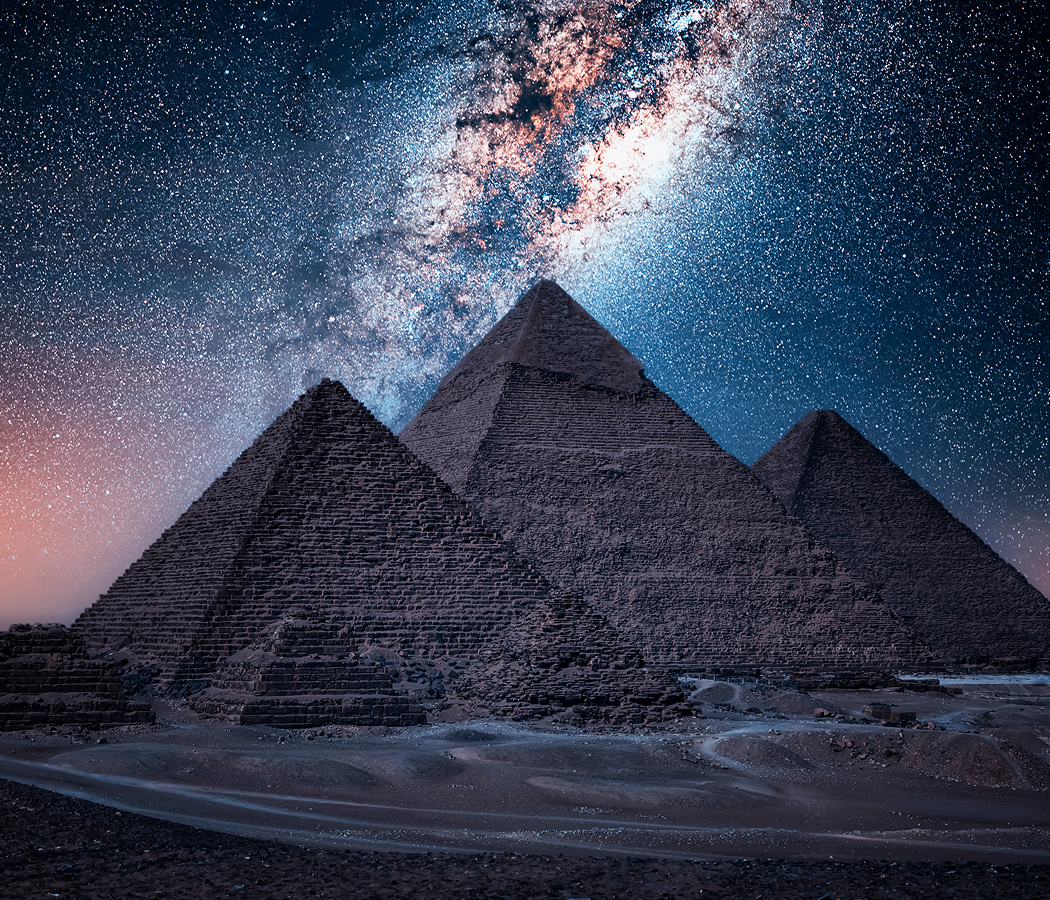
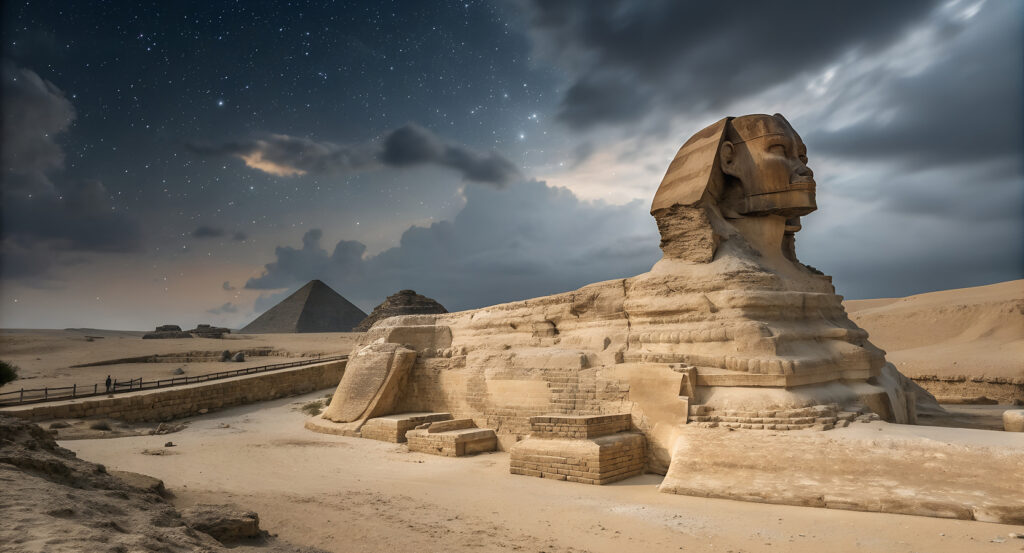
As darkness falls across the plateau, the outlines of Khufu, Khafre, and Menkaure fade into shadow, and then, one by one, they reemerge in brilliance. Colored lights trace their ancient forms, each stone etched with stories as voices echo across the sand. The Great Sphinx, bathed in amber and blue, becomes the narrator, its deep, resonant voice recounting the saga of the pharaohs, the rise of the pyramids, and the enduring mystery of Egypt's ancient faith. Music swells as beams of gold, crimson, and violet wash over the monuments, transforming them into living symbols of power and rebirth. The desert breeze carries the scent of dust and history; the stars shimmer above as if responding to the performance below. Standing here, surrounded by light, sound, and silence intertwined, you realize this isn't a performance, it's communion with four thousand years of human wonder.
What you should know about Giza Pyramids Sound and Light Show.
Giza Pyramids Sound and Light Show has been an icon of Egyptian cultural storytelling since its inauguration in 1961, conceived as one of the world's first large-scale outdoor multimedia experiences.
Developed in collaboration with UNESCO and French engineers, it was originally voiced by Egyptian actors, with later versions narrated in multiple languages, from English and Arabic to Spanish, French, and Japanese. The show was designed to reawaken the mystique of Giza after sunset, transforming the plateau into a living museum. Its technology, revolutionary for its time, used synchronized light projections, laser mapping, and surround sound to weave history into atmosphere. Over the decades, the production has been continually updated, integrating digital enhancements and high-definition sound to deepen the resonant resonance. The Sphinx remains the show's central voice, a symbol of both guardian and storyteller, whose narration bridges past and present. Each act is tied to a specific era: the construction of Khufu's Pyramid, the grandeur of Khafre's reign, and the architectural legacy of Menkaure. The production also subtly incorporates astronomical references, the alignment of the pyramids with Orion's Belt and the journey of Ra, the sun god, across the sky. What few realize is that the show's continued operation for over six decades makes it one of the longest-running nightly performances in the world, rivaled only by similar heritage spectacles at Luxor and Abu Simbel. In its persistence, it mirrors the endurance of the monuments themselves, timeless, unyielding, endlessly reborn.
How to fold Giza Pyramids Sound and Light Show into your trip.
Attending Giza Pyramids Sound and Light Show is the perfect finale to a day on the Giza Plateau, an immersive transition from daylight awe to nocturnal reverence.
The show takes place at the Sphinx Theater, located near the base of the Great Sphinx, with seating arranged to face the pyramids. Performances typically run daily after sunset, with exact start times varying seasonally, usually between 6:30 p.m. and 8:30 p.m. depending on daylight hours. Tickets are available at the entrance gate or online through the Sound and Light Egypt portal, with premium front-row seats offering unobstructed views of the illuminated Sphinx and Khafre's Pyramid. Arrive 30 minutes early to secure your seat and enjoy the twilight transformation as the desert cools and the sky deepens into indigo. Bring a light jacket, even Cairo nights can feel crisp when the wind moves off the plateau. The narration plays in English on most nights, but multilingual headsets are available. For photographers, the opening sequence offers the most dramatic shots: beams of gold slicing through the dark, casting the Sphinx's shadow across the sand. After the show, linger at the terrace, the pyramids remain softly lit for several minutes, a quiet encore for those unwilling to leave. Pair your evening with a dinner reservation at a rooftop café in nearby Al Haram or Nazlet el-Samman, where you can watch the final glimmer of light fade from the stones. Experiencing the Sound and Light Show at Giza is more than entertainment, it's a ritual of remembrance, proof that even in the modern age, the voices of the past can still command the desert night.
Where your story begins.
Foresyte Travel reveals places that feel extraordinary long before you arrive.
Experience premium editorial crafted for luxury travelers.