Why Hilton Tokyo matters.
Hilton Tokyo is a storied hotel where Nishi-Shinjuku's skyscraper district meets the Japanese lineage of Hilton's original 1963 Tokyo operation, carrying an international hospitality institution from Nagatacho's political center into the vertical city that transformed western Shinjuku.
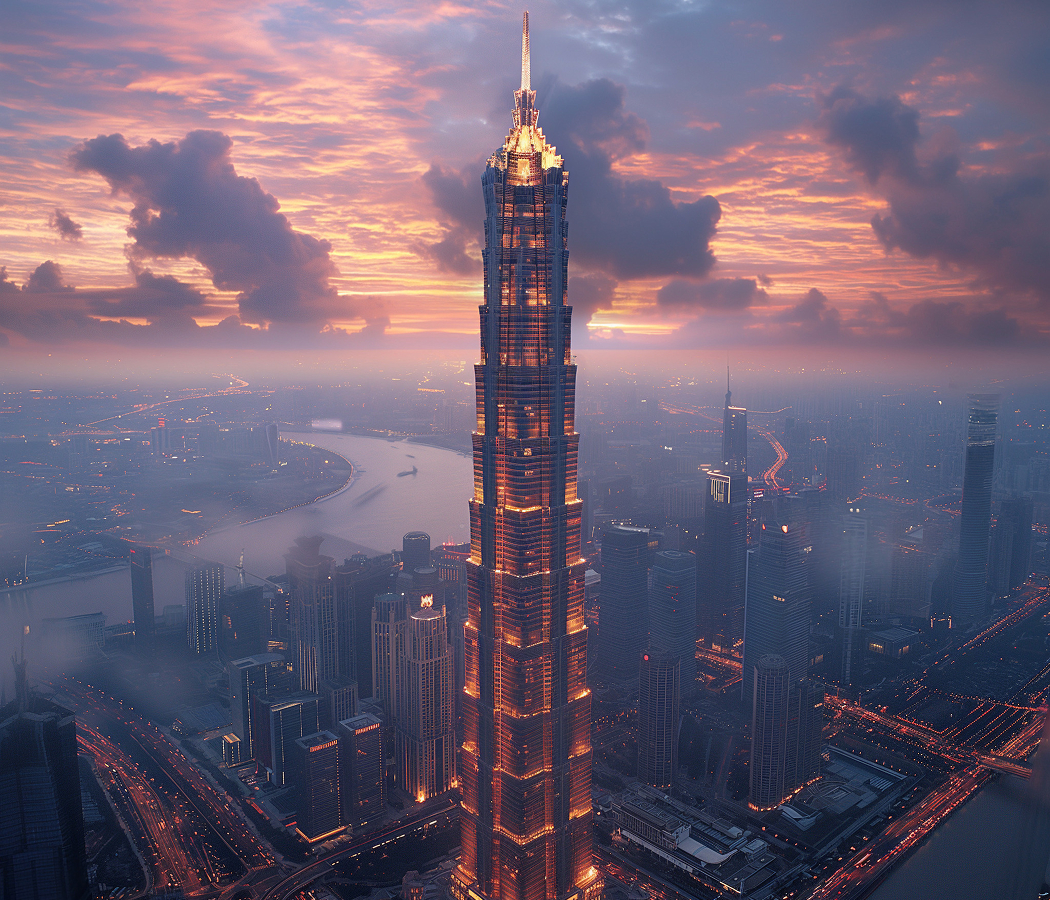
Set along Metropolitan Road 4 near Koen-dori and just steps from Shinjuku Central Park, the hotel occupies Nishi-Shinjuku's tower district between Tochomae's government complex, the high-rise corporate corridor and the dense commercial streets extending east toward Shinjuku Station. Mitsubishi Estate designed Shinjuku International Building as a 130-meter tower whose strong vertical facade and broad podium belong to the generation of large commercial structures that established western Shinjuku's modern skyline. Extensive glazing directs views across the neighboring towers and park, making the contrast between concentrated high-rise development and the open landscape immediately west of the hotel particularly pronounced. Interior circulation gathers around a two-story lobby whose sweeping staircase and open central volume create a social focal point beneath the tower's private floors. The result is a hotel whose substantial high-rise architecture, park-facing position and immersion within Tokyo's first great skyscraper district give physical form to Hilton's move from postwar Central Tokyo into the emerging western subcenter.
What defines Hilton Tokyo.
Hilton Tokyo is best known for carrying the institutional lineage of Japan's first international hotel from Nagatacho into the skyscraper district that recast Shinjuku as a second metropolitan center. Tokyu Corporation signed its agreement with Hilton Hotels International in December 1958, beginning a partnership intended to bring Conrad Hilton's rapidly expanding American hotel system into postwar Japan. Construction of the original Tokyo Hilton began in July 1961 on a Nagatacho site overlooking Hie Shrine and concluded in May 1963, creating a Japanese-owned property operated through Hilton's international expertise. Conrad Hilton traveled to Japan for its debut, and interiors combined international hotel planning with shoji and other Japanese elements during a period when Tokyo was preparing for the 1964 Olympics. Richard Nixon stayed there in 1965 and subsequently sent Conrad Hilton a letter thanking him for his stay. The hotel became part of global popular culture the following year when the Beatles occupied its presidential suite during their first and only Japanese concert tour and held their Tokyo press conference inside the property. Twiggy followed in 1967 during the British model's celebrated Japanese visit, reinforcing the hotel's role as an international stage during a decade of intense cultural exchange. Hilton's management agreement at Nagatacho ended after two decades, and the original building became Capitol Tokyu Hotel on January 1, 1984. Hilton transferred its Tokyo operation across the city to Nishi-Shinjuku that September, taking over the newly completed Shinjuku International Building as Tokyo Hilton International. The relocation moved the brand from Tokyo's government quarter into a district transformed since the 1970s by skyscrapers built across the former Yodobashi water-treatment site. Mitsubishi Estate designed the 38-story structure, creating a 130.3-meter tower embedded among the corporate buildings that had established Nishi-Shinjuku as the capital's principal high-rise business center. Hilton introduced Japan's first hotel dessert buffet after the move, turning a new food format into a lasting component of Japanese hotel dining culture. Hilton Tokyo joins two distinct chapters of modern Tokyo history: the internationalization of the capital surrounding the 1964 Olympics and the later westward expansion of its commercial skyline into Shinjuku.
Where your story begins.
Foresyte Travel reveals places that feel extraordinary long before you arrive.
Enjoy editorial crafted for luxury travelers.