
Why you should experience Hotel Brick Barcelona in Barcelona, Spain.
Hotel Brick Barcelona is where contemporary urban design, youthful creative energy, and a warm, easygoing Barcelona spirit blend into a stay that feels fresh, modern, and genuinely connected to the rhythm of the city. It's a hotel built for travelers who appreciate clean style, thoughtful simplicity, and a boutique atmosphere without any of the stiffness or pretension found in larger luxury chains, a place where comfort, character, and effortless accessibility meet.
Set near Plaça d'Espanya, in a district shaped by wide boulevards, leafy sidewalks, and a mix of residential calm and cultural dynamism, the hotel occupies a crisp, modern building whose minimalist façade, geometric lines, and warm brick-inspired textures give it a signature look. The neighborhood itself is ideal: close to Montjuïc, near major transport links, steps from Poble Sec's food scene, and yet far enough from the tourist-heavy zones to feel authentically local. Step inside, and the lobby welcomes you with a clean, contemporary aesthetic, smooth surfaces, natural woods, exposed brick details, curated lighting, and a palette shaped by warm neutrals and industrial-modern touches. It feels like a relaxed creative studio more than a traditional hotel, airy, unfussy, and immediately inviting. Rooms at Hotel Brick Barcelona follow the same thoughtful design approach. Expect crisp bedding, minimalist furnishings, soft urban tones, polished wood accents, and large windows that allow sunlight to spill across the clean, modern interior. Some rooms face the surrounding neighborhood streets, offering glimpses of everyday Barcelona life, while others overlook quieter inner spaces. The result is an atmosphere that balances calm retreat with a sense of place. Bathrooms are fresh, bright, and well-designed, glass showers, updated fixtures, smooth tiling, streamlined counters, and amenities chosen for quality and clarity. One of the hotel's most appealing qualities is its refined simplicity, the kind of design that doesn't overwhelm with unnecessary décor but instead creates a peaceful environment where the mind can reset after busy days in the city. The common areas reinforce this clarity. Lounge spaces are cozy and neatly composed, think warm tones, textured materials, and seating arranged for easy conversation or quiet rest. The breakfast area continues this mood with an inviting spread of pastries, breads, cheeses, cured meats, fruit, yogurt, cereals, eggs, juices, and rich Barcelona coffee served in a bright, laid-back setting. Hospitality at Hotel Brick Barcelona is warm, personal, and genuine. The staff team is known for being attentive without hovering, ready with recommendations for restaurants, parks, galleries, and nightlife across Poble Sec, Sant Antoni, and Montjuïc. The tone is friendly, helpful, and rooted in real local knowledge. The location is one of its strongest advantages. From the hotel, you can walk to Montjuïc's gardens, museums, theaters, viewpoints, and cultural landmarks. You're also close to Plaça d'Espanya, which connects you to the airport, the city's major metro lines, and destinations like the Gothic Quarter, Passeig de Gràcia, and the seaside. Food lovers will appreciate being moments from Carrer Blai's tapas bars, Sant Antoni's market scene, and countless modern restaurants that define Barcelona's evolving culinary identity.
What you did not know about Hotel Brick Barcelona.
Hotel Brick Barcelona stands on land shaped by Barcelona's major urban metamorphosis in the 19th and 20th centuries, a transformation that turned agricultural edges and working-class districts into one of the city's most culturally rich corridors.
In earlier centuries, the area surrounding the hotel was open land on the outskirts of the old walled city. Sparse farmhouses, small orchards, and dirt paths stretched between the rural village of Sants and the stony slopes of Montjuïc. Because of its strategic location near the port and fertile terrain, the land supported local agriculture that fed the growing city. By the late 19th century, Barcelona underwent massive expansion, driven by industrialization, trade, and the visionary Eixample plan. The corridor around Plaça d'Espanya began to fill with workers, artisans, and small industries tied to the port and to Montjuïc's stone quarries. As the city grew, the area became a crossroads between industrial labor, everyday residential life, and the creative energy of entertainment venues emerging along Paral·lel. The 20th century reshaped the district even further. Montjuïc became the site of the 1929 International Exposition, bringing new architectural landmarks, cultural pavilions, and grand public spaces to the hillside. Infrastructure expanded, boulevards widened, and the district began its trajectory toward becoming a cultural landmark. The 1992 Olympic Games marked the next major transformation. Barcelona modernized its waterfront, improved transportation networks, and redefined Montjuïc as a global cultural showcase. The surrounding blocks, including the one where Hotel Brick Barcelona now sits, were reinvigorated with new construction, residential developments, and hospitality spaces that embraced a cleaner, more contemporary architectural style. When Hotel Brick Barcelona was later developed, its minimalist, design-forward aesthetic reflected Barcelona's 21st-century identity: a city shaped by creativity, modernism, and thoughtful urban evolution. Its brick-like textures hint at the industrial heritage of the district, while its clean interior lines echo the city's embrace of modern, functional design. Today the hotel stands as a contemporary expression of this layered history, a peaceful, design-oriented refuge built on land once defined by farmers, quarry workers, artisans, and later the cultural and architectural shifts that made Barcelona one of Europe's most admired cities.
How to fold Hotel Brick Barcelona into your trip.
Hotel Brick Barcelona becomes the effortless, stylish, and well-connected base of your Barcelona journey, where mornings begin with soft sunlight through wide windows, days unfold into cultural exploration, and evenings settle into neighborhood tapas and restful calm.
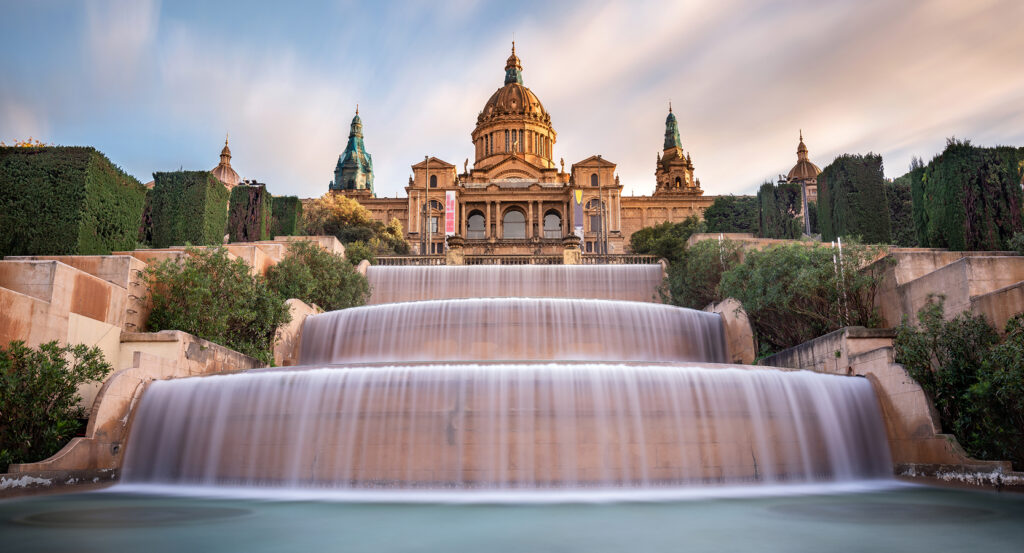
Start the morning with breakfast at the hotel, then walk toward Montjuïc's gardens, fountains, and panoramic viewpoints. Visit MNAC, wander the botanical paths, explore the Miró Foundation, or simply enjoy the tranquility that the hillside offers. If you prefer an architectural focus, stroll toward the Eixample grid to see Casa Batlló, Casa Milà, or the modern galleries of Sant Antoni. In the afternoon, explore the markets, bakeries, and cafés of Sant Antoni or Poble Sec. Grab pintxos on Carrer Blai, discover cozy wine bars, or head to Plaça d'Espanya to visit cultural exhibitions or catch the Magic Fountain show in the evening. When you need a break, return to the hotel's calming rooms for a moment of stillness before heading back out. As evening arrives, the neighborhood comes alive with local restaurants, craft cocktail spots, and some of the city's most authentic tapas bars. You're also well-positioned to explore nightlife along Paral·lel or in El Raval, or take a quick metro ride to the Gothic Quarter or the waterfront. Winter brings crisp, clear days perfect for hillside walks; spring fills Montjuïc with blossoms; summer invites long evenings of tapas and twilight strolls; autumn wraps the district in golden Mediterranean light. Hotel Brick Barcelona becomes not just where you stay, but the calm, modern, well-situated heart of your entire Barcelona experience.
Where your story begins.
Foresyte Travel reveals places that feel extraordinary long before you arrive.
Experience premium editorial crafted for luxury travelers.














































































































