
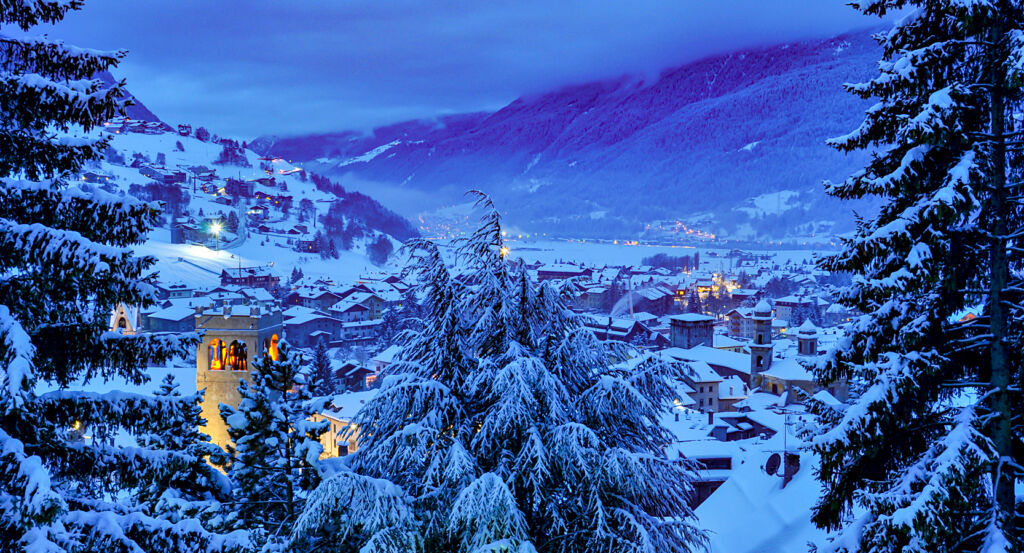
Why you should experience Hotel Meublè Sertorelli Reit in Italy.
Hotel Meublè Sertorelli Reit is where alpine simplicity, warm family-driven hospitality, and the soothing rhythm of mountain life come together to create a stay that feels authentic, peaceful, and deeply rooted in the charm of Bormio's historic valley.
Set just a short walk from the medieval center, close enough to feel the pulse of town life yet gently removed enough to enjoy a sense of calm, Hotel Meublè Sertorelli Reit stands with a quiet grace shaped by wood, stone, and traditional Valtellina design. Its façade blends clean alpine architecture with inviting natural tones, wooden balconies, flower boxes in the warmer months, and warm interior light that radiates softly through winter evenings. Whether surrounded by snowdrifts sparkling under lamplight or summer sunlight pouring across the valley, the hotel has an enduring presence that feels both comforting and rooted in place. Step inside, and the atmosphere deepens into cozy alpine serenity. Interiors are shaped by natural materials, polished wood, slate accents, warm textiles, gentle lighting, and thoughtful décor that reflect both tradition and a contemporary sense of ease. Nothing feels overly designed; instead, every corner reflects intention, care, and a connection to the mountain setting. Lounges and common rooms offer soft seating, quiet ambiance, and the welcoming feeling of a hotel created for rest. The staff, led by a family that has cultivated a reputation for genuine hospitality, brings warmth, attentiveness, and an easy, intuitive understanding of guests' needs. Conversations feel natural, check-ins feel smooth, and everything about the stay feels grounded in sincerity. Rooms continue this balance of comfort and alpine texture. Expect warm wooden furnishings, soft bedding, simple yet tasteful décor, calming earth tones, and windows or balconies overlooking the valley, the mountains, or the quiet residential lanes of Bormio. Rooms feel bright, fresh, and inviting, spaces designed for restful nights after long days outdoors and slow mornings filled with mountain air. Bathrooms are clean, modern, and thoughtfully designed, with warm lighting, well-maintained fixtures, and layouts that maximize comfort. Breakfast at Hotel Meublè Sertorelli Reit is a daily pleasure, served in a light-filled room that feels energized and welcoming each morning. Expect pastries, breads, crostate, yogurt, cereals, fruit, eggs, cheeses, vegetables, cured meats, and strong Italian coffee that sets the tone for a day in the mountains. The atmosphere is unhurried and contented, guests fueling up before ski days, hikes, cycles, or explorations of the town center. While the hotel does not operate a full restaurant, this becomes an advantage rather than a limitation: its central location gives guests easy access to Bormio's exceptional dining scene, from traditional trattorie to modern alpine kitchens. In winter, Hotel Meublè Sertorelli Reit becomes an ideal base for skiing Bormio's renowned slopes. The ski bus stops nearby, and the gondola is close enough for a comfortable walk, allowing seamless access to Bormio 2000 and Bormio 3000. The mountain offers long, breathtaking descents, forested trails, sweeping ridge-line views, and the world-famous Stelvio World Cup slope.
What you did not know about Hotel Meublè Sertorelli Reit.
Hotel Meublè Sertorelli Reit stands on land shaped by centuries of alpine life, Roman influence, medieval agriculture, transalpine trade, and the deep-rooted traditions of families who lived by the rhythms of the valley long before tourism took hold.
The area where the hotel now rises was historically part of Bormio's agricultural perimeter, a zone essential to the town's survival. Families cultivated small plots, tended orchards, and cared for livestock on this land, relying on it for food, income, and stability in an environment defined by long winters and short summers. These terraced fields once bloomed with hay, grains, and hardy vegetables suited to the alpine climate. During the Roman era, Bormio, known then as Aquae Burmiae, held strategic importance thanks to its thermal springs and position near key crossing routes. While the springs lie farther up the valley, Roman influence extended throughout the area, including the hillside on which the hotel stands today. Roads, engineered paths, and agricultural practices were shaped by Roman knowledge, and the slopes offered natural vantage points and fertile ground for small farms. Through the Middle Ages, Bormio became a semi-autonomous commune with considerable regional influence. The land beneath the hotel formed part of the town's outer ring, a belt of fields, barns, and working spaces supporting the thriving medieval center just below. Winters were harsh, and survival depended on the summer and autumn harvests grown on these very slopes. Hay from these fields fed livestock; livestock in turn sustained families. The land was a lifeline. Over the centuries, the hillside played its role in countless historical cycles. During wartime periods, especially throughout World War I and World War II, the mountains around Bormio served as refuge routes, communication corridors, and strategic pathways. The slopes near the hotel would have witnessed the quiet passage of soldiers, resistance members, and civilians navigating the treacherous alpine terrain. The transformation of the land into a hospitality site began in the early to mid-20th century as alpine tourism grew. Skiing, hiking, and thermal tourism brought new visitors to Bormio, and the elevated land above the town became attractive for lodging due to its views, sunlight, and proximity to the emerging lift infrastructure. The family who founded Hotel Meublè Sertorelli Reit brought with them generations of connection to Bormio, traditions, knowledge, and a deep sense of place that shaped the hotel's spirit. The land shifted from agricultural production to hospitality, but the underlying heritage remained: a sense of stewardship, care, and relationship with the mountain environment. Today, beneath the hotel's polished wood, its curated alpine rooms, and the gentle pace of its modern comforts lies a story of soil worked by families, paths walked by merchants and soldiers, and a landscape shaped by centuries of alpine life. The peacefulness guests feel here is not merely ambiance, it's historical memory made quiet and gentle.
How to fold Hotel Meublè Sertorelli Reit into your trip.
Hotel Meublè Sertorelli Reit becomes the calm, grounding, effortlessly comfortable heart of your Bormio experience, where mornings begin with mountain light, days open into exploration, and evenings settle into soft, unhurried tranquility.
Start the winter morning with pastries, breads, crostate, yogurt, cereals, fruit, eggs, vegetables, cheeses, cured meats, and rich Italian coffee before walking to the gondola for direct access to Bormio's renowned slopes. Spend your day skiing long, panoramic descents, carving through forests, exploring Santa Caterina Valfurva, or riding to Bormio 3000 for sweeping alpine views. Return to the hotel for warm quiet, time to rest, read, relax, or wander into town for aperitivo. In summer, begin your day with crisp mountain air drifting through your window before cycling the iconic Stelvio Pass, hiking through national park trails, exploring waterfalls, or meandering through Bormio's medieval streets. Spend your afternoon enjoying balcony sunshine, lounging in peaceful common rooms, or visiting nearby thermal baths. Evenings unfold with gentle mountain breezes, regional dinners in town, soft twilight settling over the valley, and the comforting sense of slowing down. Wake refreshed, nourished, and fully aligned with the alpine rhythm, ready for another day shaped by nature, movement, history, and the quiet serenity of Hotel Meublè Sertorelli Reit. It becomes not just where you stay, but the peaceful, memory-rich center of your entire Bormio experience.
Where your story begins.
Foresyte Travel reveals places that feel extraordinary long before you arrive.
Experience premium editorial crafted for luxury travelers.




















































































































