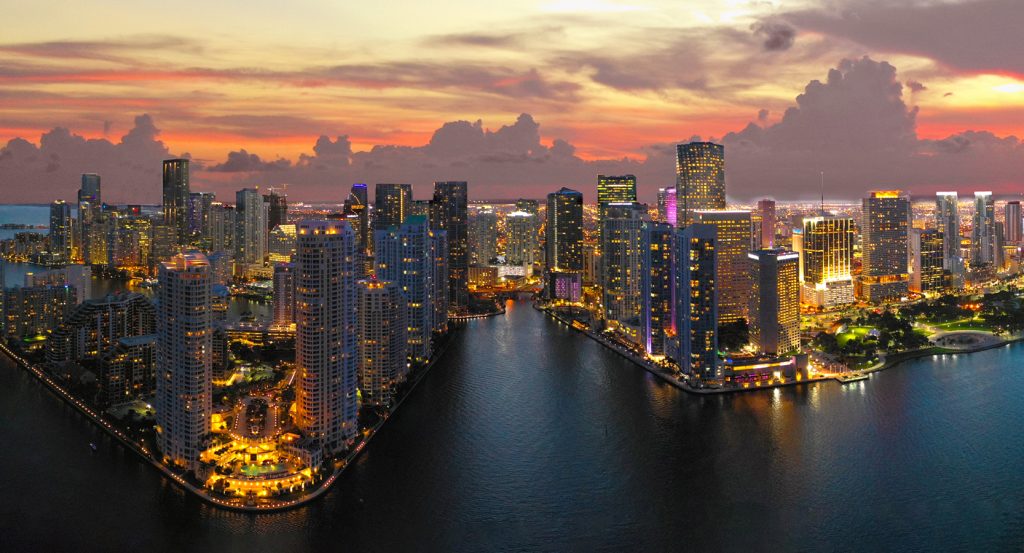
Why you should experience Indian Creek Drive in Miami, Florida.
Indian Creek Drive is a graceful corridor where Mid-Beach's waterfront setting, architectural heritage, tropical landscape, and refined character create one of Miami Beach's most memorable inland experiences.
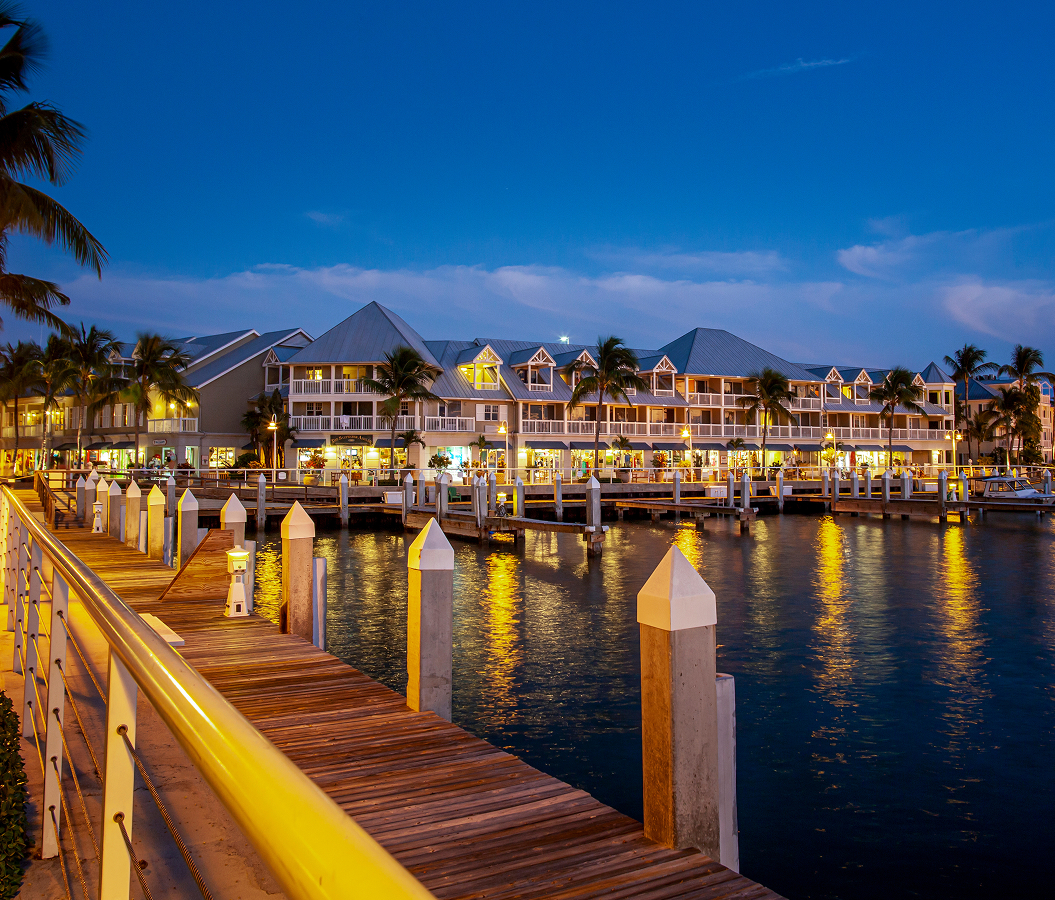
Running through Mid-Beach between City Center and North Beach, the corridor traces the western edge of Miami Beach beside Indian Creek, connecting distinguished hotels, architect-designed residential buildings, waterfront promenades, shaded sidewalks, and mature royal palms that collectively reflect the city's enduring relationship with its coastal environment. Art Deco hotels, Streamline Moderne apartments, Mid-Century Modern towers, and expansive water views create a streetscape where architectural continuity and natural scenery remain closely intertwined. Throughout the corridor, preserved buildings, carefully landscaped public spaces, and uninterrupted creek vistas reinforce a setting whose character has matured through thoughtful stewardship and sensitive development. The result is an experience defined by elegance, waterfront beauty, and one of Mid-Beach's most distinctive corridors.
What you should know about Indian Creek Drive.
Indian Creek Drive is best known for following the eastern shoreline of Indian Creek, a natural tidal waterway that separates Miami Beach from the barrier islands and mainland while shaping the city's western waterfront since its earliest development. Construction accelerated during the Florida Land Boom of the 1920s as Carl G. Fisher promoted waterfront neighborhoods and resort properties that capitalized on expansive creek views and direct proximity to Biscayne Bay. Architects including Henry Hohauser, L. Murray Dixon, Morris Lapidus, Melvin Grossman, and Norman Giller influenced the surrounding built environment through sweeping horizontal lines, projecting balconies, glass block, terrazzo detailing, brise-soleil elements, and tropical site planning that reflected successive architectural movements across the twentieth century. Indian Creek itself supports mangroves, seagrasses, mullet, tarpon, herons, egrets, ibis, osprey, and other native wildlife that continue contributing to the ecological richness visible along the corridor. Royal palms, coconut palms, sea grape, gumbo limbo, green buttonwood, and native coastal vegetation reinforce the subtropical landscape that distinguishes Indian Creek Drive from the city's more densely developed commercial streets.
The Collins Waterfront Architectural District preserves an exceptional concentration of twentieth-century resort architecture surrounding portions of the corridor, documenting the evolution of Miami Beach hospitality and residential design across multiple decades. The Indian Creek waterway remains connected to Biscayne Bay through a carefully managed tidal system that continues influencing shoreline ecology, marine habitats, and coastal resilience throughout western Miami Beach. Oolitic limestone, decorative cast stone, terrazzo entrance courts, aluminum-framed glazing, and decorative breeze block incorporated throughout neighboring buildings demonstrate the regional materials and craftsmanship that continue defining this section of the city. Together, these environmental systems, preservation initiatives, and architectural traditions deepen the historical narrative established by Indian Creek Drive, demonstrating why the corridor remains one of Miami Beach's defining waterfront settings.
How to fold Indian Creek Drive into your trip.
Indian Creek Drive works as a waterfront journey through architecture, landscape, and coastal scenery.
Begin at Collins Park, where sculpture installations, shaded lawns, and beautifully landscaped public spaces establish an inviting introduction before following Indian Creek Drive beside the calm waters of Indian Creek. Continue to Miami Beach Botanical Garden, whose native Florida species, orchids, palms, and restored wetland landscapes broaden the appreciation for the subtropical environment that defines this section of the city. Conclude at the Holocaust Memorial Miami Beach, where powerful sculpture, reflective gardens, and carefully composed architectural spaces provide a thoughtful conclusion while revealing another important dimension of Miami Beach's cultural identity. The progression moves naturally from waterfront green space through botanical diversity before concluding with a place of lasting historical reflection, revealing how Indian Creek Drive connects architecture, ecology, and culture within a single waterfront experience.
Where your story begins.
Foresyte Travel reveals places that feel extraordinary long before you arrive.
Experience premium editorial crafted for luxury travelers.