Why Jebel Ali matters.
Jebel Ali is a sprawling maritime and industrial powerhouse where global trade, world-scale infrastructure, and the economic engine of the emirate converge along the southern coast of the Arabian Gulf.
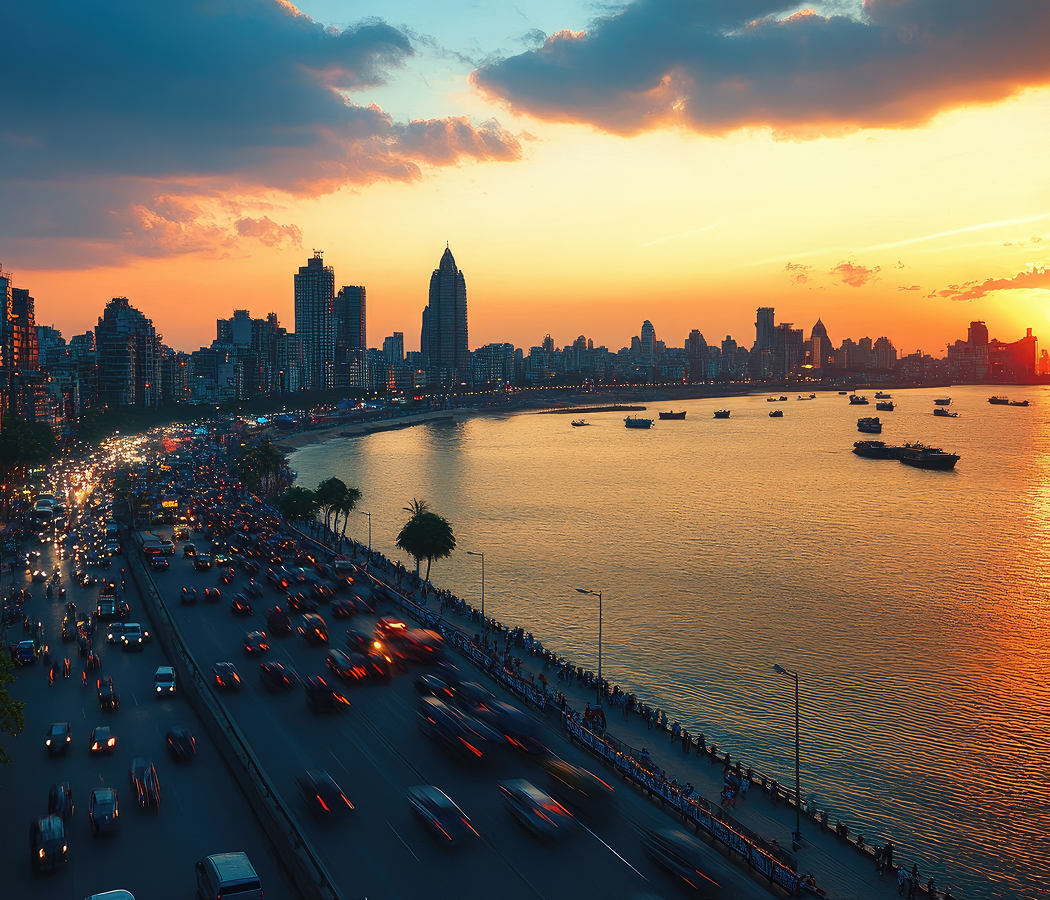
Container ships line vast port terminals stretching toward the horizon while logistics centers, manufacturing facilities, free-zone headquarters, and commercial developments occupy one of the most strategically important districts in the Middle East. Multi-lane highways connect ports, warehouses, business parks, and residential communities that collectively support the movement of goods across continents. The scale is immense. Giant cranes tower above shipping berths capable of handling some of the world's largest vessels. Freight trains, cargo trucks, and commercial fleets operate within a network designed to connect Asia, Europe, and Africa through a single gateway. Yet the district extends beyond industry alone. Waterfront resorts, beaches, golf courses, and emerging residential developments reveal a more diverse side of the area. To the northeast, Dubai Marina's dense skyline contrasts sharply with the expansive infrastructure that defines Jebel Ali, highlighting the district's unique role within the wider city. Every kilometer reflects the logistical ambition that helped transform Dubai into a global commercial hub.
What defines Jebel Ali.
Jebel Ali is best known for being home to Jebel Ali Port, the largest man-made harbor in the world and the busiest port in the Middle East.
Opened in 1979, the port became one of the most consequential infrastructure projects in the region's history. Its deep-water facilities and strategic location positioned Dubai as a critical node within global shipping networks, enabling trade routes that connect markets across three continents. The success of the port led directly to the creation of Jebel Ali Free Zone, attracting thousands of international companies and establishing one of the world's most influential business and logistics ecosystems. The district's growth reshaped the economy of Dubai, helping diversify the emirate beyond oil and establishing trade, manufacturing, and logistics as major pillars of economic development. Few places have had a greater impact on Dubai's rise as a global city than Jebel Ali.
How Jebel Ali fits.
Jebel Ali works as an exploration of the landmarks, coastlines, and infrastructure that reveal the scale of Dubai's commercial ambitions.
Begin at Jebel Ali Port, where the district's defining role within global trade immediately comes into focus through one of the world's most significant maritime facilities. Continue toward Jebel Ali Beach, where coastal landscapes and open Gulf views provide a striking perspective on the district's relationship with the sea. From there, make your way to Jebel Ali Golf Resort, whose lush fairways and waterfront setting reveal a recreational side of the neighborhood often overlooked by visitors. Along the route, you'll encounter Jebel Ali Free Zone, industrial landmarks, logistics corridors, resort developments, and viewpoints overlooking the Arabian Gulf. The progression moves naturally from maritime infrastructure to coastal scenery to leisure amenities, revealing the forces that shaped the district. Jebel Ali remains one of the most important economic gateways in the world, preserving a remarkable balance between global commerce, coastal landscapes, and long-term urban growth.
Where your story begins.
Foresyte Travel reveals places that feel extraordinary long before you arrive.
Enjoy editorial crafted for luxury travelers.
Foresyte may earn a commission when you book.