Why Honolulu Zoo matters.
Honolulu Zoo is more than a place to see animals, it's a living, breathing oasis at the crossroads of culture, conservation, and paradise.
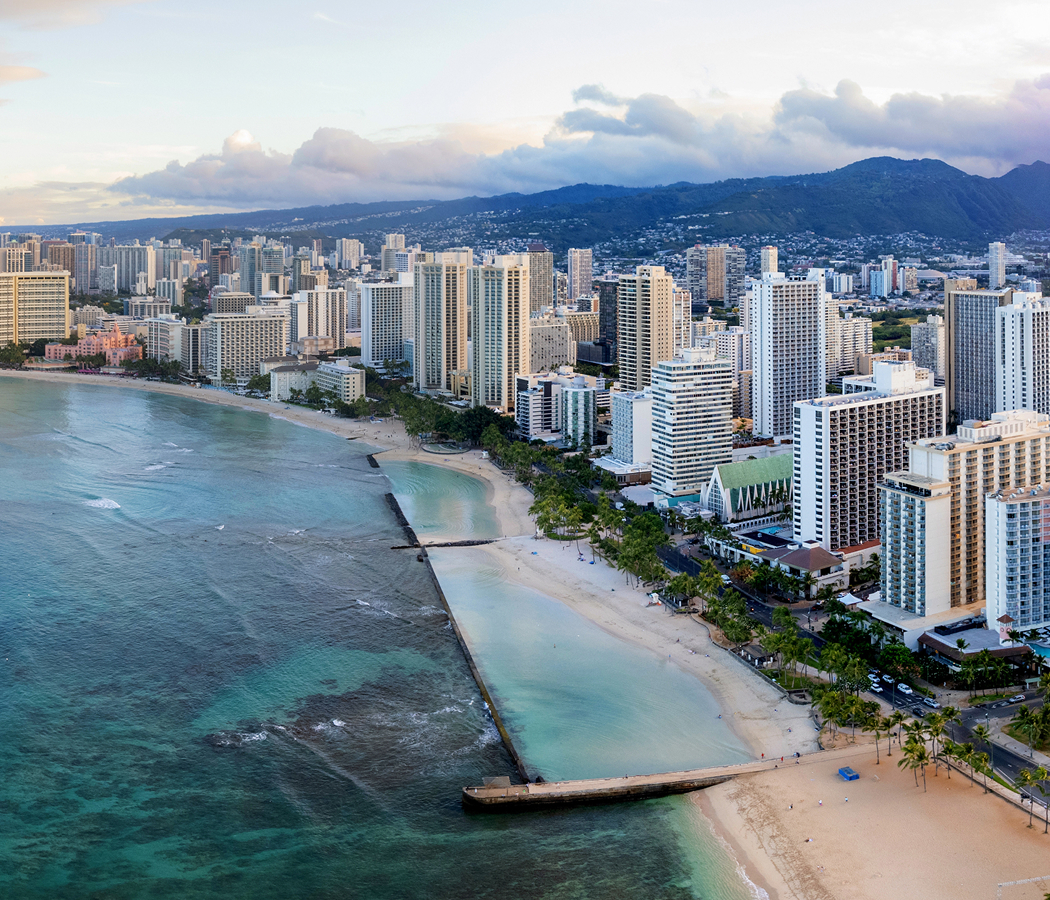
Tucked between Waikīkī and Diamond Head, the zoo unfolds like a tropical garden where wildlife from Africa, Asia, and the Pacific share space under the Hawaiian sun. You step through its gates and the city seems to dissolve; the hum of traffic gives way to birdsong and the rustle of banyan leaves. Bright macaws flash across the sky, while elephants wander through open, palm-fringed fields. Children press their faces against glass as a tiger prowls through bamboo shadows. What makes Honolulu Zoo special isn't just its exotic collection, it's how seamlessly it blends into the rhythm of island life. Here, every enclosure feels like part of a larger story, one where humans and nature coexist in harmony. It's a place that invites you to slow down, breathe deeply, and rediscover the wonder of the living world, framed by the scent of plumeria and the distant sound of the surf.
What defines Honolulu Zoo.
Honolulu Zoo holds a remarkable distinction, it's the only zoo in the United States that originated from a royal land grant.
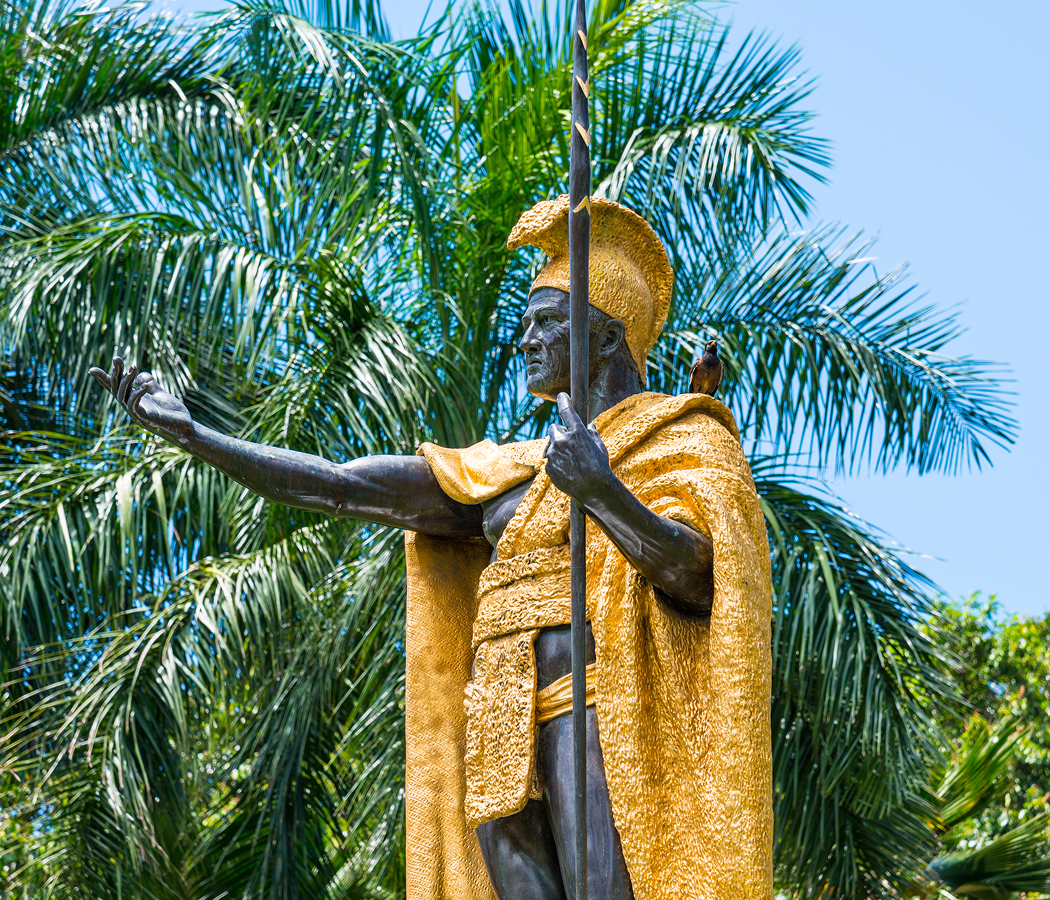
In the late 1800s, King Kalākaua set aside the land in Queen Kapiʻolani Park for the people of Hawaii, creating a sanctuary for recreation and connection with nature. The zoo was officially established in 1947, starting humbly with a small collection of birds and a few exotic mammals. Over time, it grew into a 42-acre conservation hub, now home to more than 900 animals representing tropical ecosystems from around the globe. But beyond the animals, the zoo carries the spirit of the islands, its lush landscaping mirrors native Hawaiian flora, and its educational programs emphasize respect for the ʻāina (land) and its creatures. Few visitors realize that the zoo plays a vital role in breeding and protecting endangered species, including the nēnē (Hawaiian goose), the state bird of Hawaii. The park also serves as a refuge for local families, a rare piece of open green space in thriving Waikīkī where generations have come to picnic, learn, and connect. Honolulu Zoo isn't simply a tourist attraction, it's a living continuation of King Kalākaua's vision to bring people and nature together in joyful coexistence.
How Honolulu Zoo fits.
Set aside a morning or early afternoon to explore Honolulu Zoo, when the animals are most active and the tropical heat is still gentle.
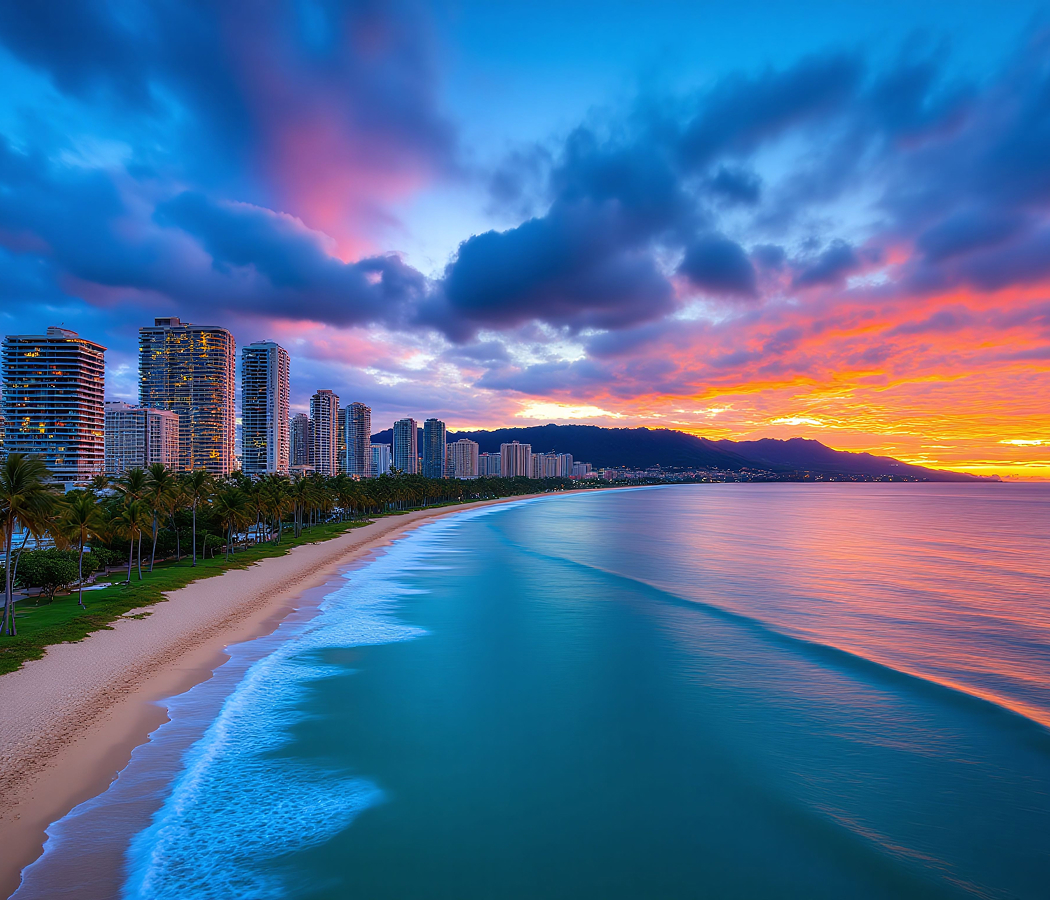
Enter through the Kapahulu Avenue gate and start the visit beneath the towering banyan trees that mark the African Savanna exhibit, a wide, open landscape where zebras graze and giraffes stretch toward the canopy. Continue through the lush trails leading to the Asian and American Tropics zones, where tigers, orangutans, and exotic birds thrive in habitats that mimic their native homes. Pause at the Keiki Zoo to meet native farm animals up close, a favorite for children and adults alike, before following the shaded pathways toward the reptile house or flamingo pond. Between exhibits, take time to appreciate the gardens themselves: tropical orchids, heliconias, and palms that make the zoo feel like a botanical wonderland. For a peaceful break, find a bench near the lagoon and watch the reflection of Diamond Head ripple across the water. If you're visiting near sunset, the light softens into gold, casting long shadows across the enclosures and turning the zoo into a serene escape from the city. Honolulu Zoo is not just an afternoon outing, it's a reminder that even in the heart of Honolulu, the wild world still breathes beside us, animated and alive.
Where your story begins.
Foresyte Travel reveals places that feel extraordinary long before you arrive.
Experience premium editorial crafted for luxury travelers.