
Why Lantau Island matters.
Lantau Island is the territory's largest island, where dramatic mountain landscapes, ancient fishing villages, and some of Asia's most iconic cultural landmarks converge far beyond the city's famous skyline.
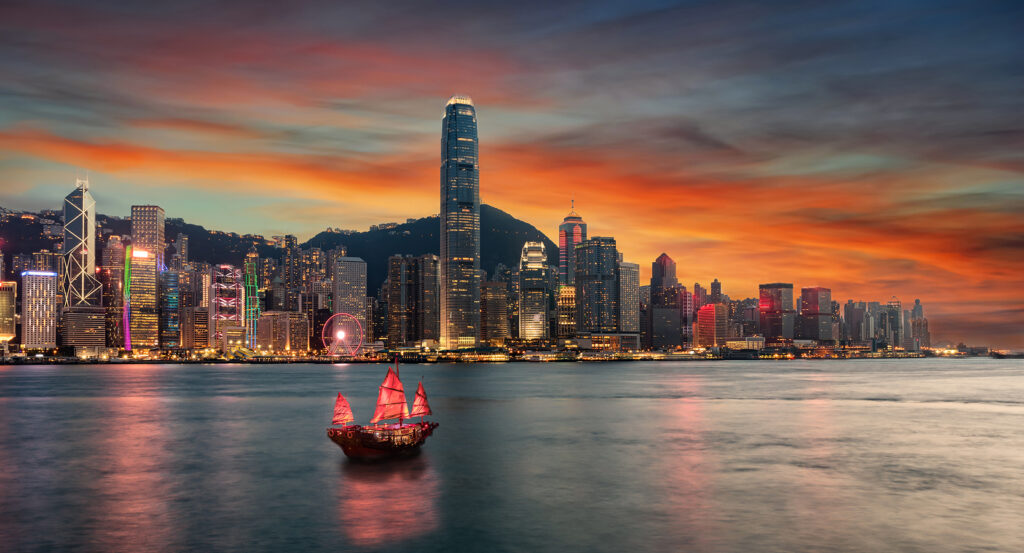
Sweeping coastlines, forested peaks, secluded beaches, traditional villages, and modern infrastructure create a landscape that reveals an entirely different side of Hong Kong. The island encompasses vast protected natural areas that contrast sharply with the dense urban environments of Kowloon and Hong Kong Island. Hiking trails traverse rugged mountains while centuries-old communities preserve traditions rooted in fishing, agriculture, and religion. Major transportation projects and international attractions coexist alongside quiet temples, coastal settlements, and wilderness areas that have remained largely untouched. The island's extraordinary diversity allows visitors to experience nature, culture, spirituality, and modern development within a single destination. Its scale and environmental significance make it one of the most remarkable regions in East Asia. To the east, the New Territories' mountain ranges and expanding communities extend naturally from Lantau Island across Hong Kong's broader landscape, reinforcing the island's position within the territory's largest natural environment. Every mountain ridge, shoreline, and village reflects a region shaped by geography, tradition, and transformation.
What defines Lantau Island.
Lantau Island is best known for being home to the Tian Tan Buddha, among the largest seated bronze Buddha statues in the world.
Completed in the late twentieth century near the Po Lin Monastery, the monument quickly became one of Hong Kong's most recognizable landmarks and an important center of Buddhist pilgrimage. The immense statue symbolizes harmony between humanity, nature, and spirituality while drawing visitors from around the globe. Its elevated position amid mountainous surroundings reinforces the site's sense of grandeur and tranquility. The landmark helped establish Lantau Island as one of Hong Kong's most important cultural and spiritual destinations while preserving deep connections to the island's religious heritage. Few places in Asia possess such a powerful combination of natural beauty and spiritual significance.
How Lantau Island fits.
Lantau Island works as an exploration of the spiritual landmarks, natural landscapes, and traditional communities that define Hong Kong's largest island.
Begin at the Tian Tan Buddha, where the island's defining connection to spirituality, culture, and landscape immediately comes into focus. Continue toward Po Lin Monastery, whose historic temples, gardens, and religious traditions reveal the spiritual foundations that shaped much of the region's identity. From there, make your way to Tai O Fishing Village, where stilt houses, waterways, and centuries-old traditions provide deeper insight into the island's maritime heritage. Along the route, you'll encounter mountain vistas, hiking trails, coastal scenery, traditional villages, religious landmarks, protected natural areas, and panoramic viewpoints that showcase the island's extraordinary diversity. The progression moves naturally from expansive landmark to spiritual center to historic fishing community, revealing the forces that shaped the region. Lantau Island remains one of Asia's most remarkable destinations, preserving a remarkable balance between natural beauty, cultural heritage, and spiritual significance.
Where your story begins.
Foresyte Travel reveals places that feel extraordinary long before you arrive.
Enjoy editorial crafted for luxury travelers.
Foresyte may earn a commission when you book.

















































































































