Why Le Kliff matters.
Le Kliff is a landmark cliffside restaurant where Boca de Tomatlán's dramatic coastal geography meets the Guzmán family's four-decade hospitality legacy, the evolution of contemporary Mexican fine dining and one of the most distinctive oceanfront dining environments on Bahía de Banderas.
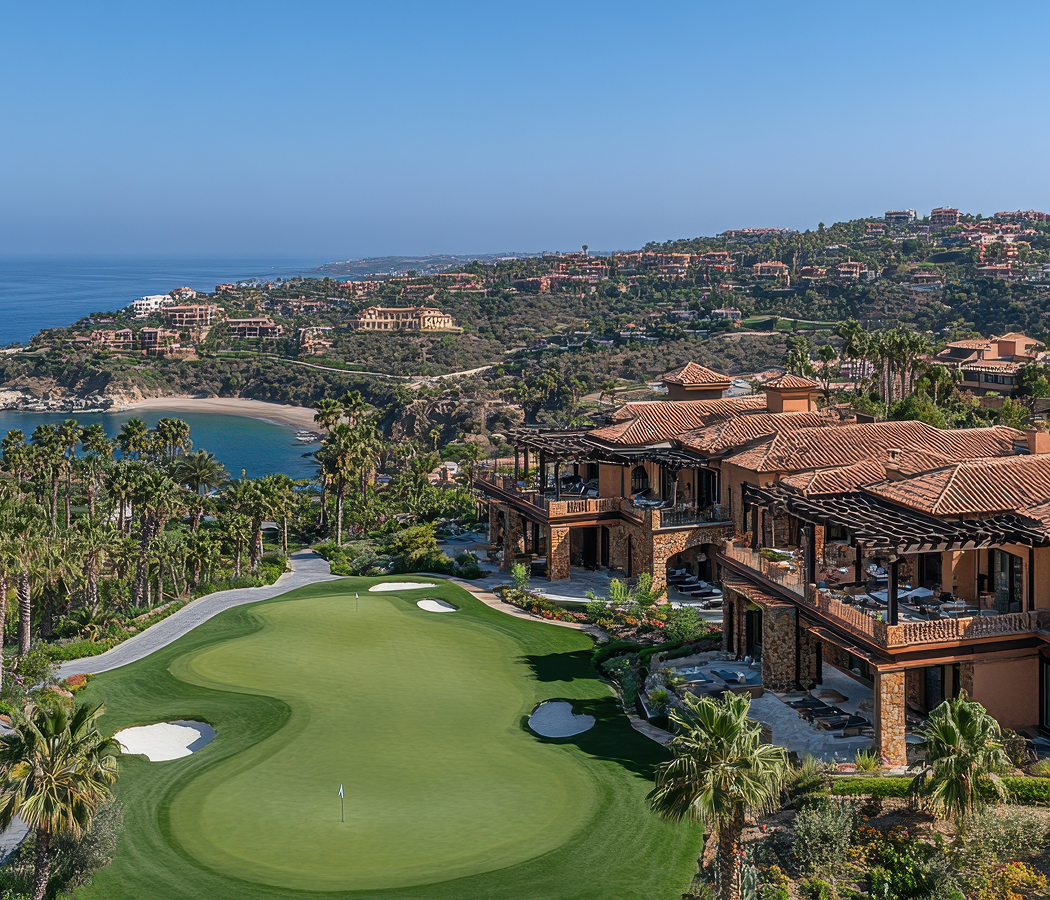
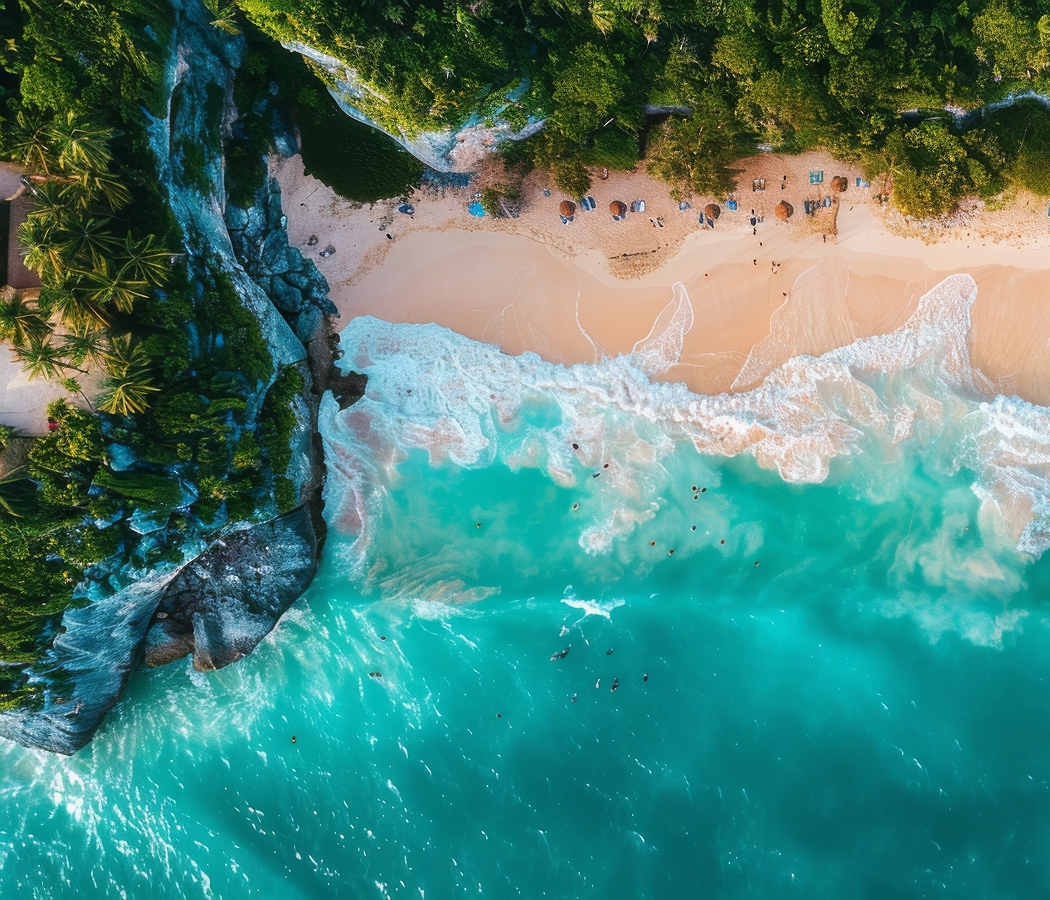
Located at Kilometer 17.5 of Carretera a Barra de Navidad, between Mismaloya and Boca de Tomatlán and a short drive from the coastal settlement of Las Juntas y los Veranos, the restaurant occupies a rocky promontory overlooking the southern reaches of Bahía de Banderas. Its expansive palm-thatched roof rises above the hillside, sheltering an expansive open-air dining pavilion supported by substantial timber columns and surrounded by tropical gardens. A sequence of terraces descends toward the ocean, with dining tables positioned above the rocky shoreline and uninterrupted views across the Pacific. Landscaped pathways connect the principal pavilion with smaller romantic dining areas and dedicated celebration spaces, establishing distinct environments within the steeply contoured property. The result is a striking coastal restaurant whose expansive traditional architecture, elevated terraces and commanding maritime setting create an unusually theatrical encounter with Puerto Vallarta's southern shoreline.
What defines Le Kliff.
Le Kliff is best known for transforming a dramatic coastal promontory into one of Puerto Vallarta's most recognizable fine-dining destinations through the Guzmán family's sustained development of an independent restaurant combining tropical architecture, international gastronomy and destination hospitality. The family's ownership began in 1983, establishing the restaurant during a period when Puerto Vallarta's tourism economy was extending southward from the historic town toward the mountainous coastline of Bahía de Banderas. Its location presented a distinctive commercial concept, requiring diners to travel beyond the established urban restaurant districts along a highway traversing steep hillsides and small coastal communities. The founders developed the property around its extraordinary natural setting, establishing an open-air restaurant whose architecture incorporated an expansive palapa and a series of terraces positioned above the sea. This combination of traditional coastal construction and dramatic topography became central to the restaurant's reputation, establishing a destination whose physical environment contributed directly to its commercial appeal. The property gradually developed into a prominent venue for romantic dinners, weddings and private celebrations, extending its role beyond conventional restaurant service. Its wedding operations established dedicated spaces for ceremonies and receptions, connecting the restaurant's hospitality business with Puerto Vallarta's growing importance as an international destination for celebrations. A significant chapter in its public recognition arrived in March 2006, when Mexicana Airlines' in-flight magazine featured Le Kliff as Mexico's most beautiful restaurant. The distinction strengthened the establishment's association with architectural performance and coastal hospitality, reflecting the importance of its setting within the competitive restaurant market of western Mexico. Le Kliff also became a founding participant in Puerto Vallarta Restaurant Week in 2005, contributing to an initiative that introduced specially priced menus designed to broaden access to the city's independent dining establishments. Its involvement connected the restaurant with an organized effort to strengthen Puerto Vallarta's reputation as a destination for sophisticated gastronomy. The American Academy of Hospitality Sciences subsequently awarded Le Kliff its Five Star Diamond distinction in 2008 and 2009, extending the restaurant's recognition within international hospitality circles. Membership in the International Gourmet Festival Puerto Vallarta further connected the enterprise with visiting chefs and professional culinary exchanges that contributed to the development of the region's gastronomic community. The restaurant's culinary direction evolved alongside these institutional relationships, incorporating contemporary techniques and increasingly elaborate presentations into a repertoire originally associated with international coastal dining. Chef Everardo Robles contributed an important chapter through his introduction of molecular gastronomy, developing preparations involving culinary foams, spheres and sous-vide cooking. His work reflected the influence of experimental techniques on Mexico's restaurant industry during the early twenty-first century, extending Le Kliff's ambitions beyond the architectural qualities that had established its reputation. The property also developed specialized hospitality operations for destination weddings, accommodating ceremonies and celebrations across its gardens and oceanfront terraces. This expansion strengthened its position within Puerto Vallarta's broader hospitality economy, connecting the restaurant with international visitors seeking substantial private events along the Pacific coast. In 2017, Le Kliff received recognition among Mexico's ten leading fine-dining restaurants, consolidating its standing after more than three decades of operation. The Guzmán family's continued stewardship subsequently supported a contemporary culinary program directed by executive chef Hernán Montiel, whose menu incorporates Mexican regional preparations and international techniques within a more developed fine-dining format. Le Kliff's historical significance emerges from this progression from an ambitious coastal restaurant into a multigenerational hospitality institution whose architecture, culinary development and participation in Puerto Vallarta's professional restaurant community helped establish the southern shoreline as a destination for sophisticated dining.
Hernán Montiel's culinary program develops the relationship between contemporary international technique and the regional ingredients of Mexico through preparations that incorporate fermentation, traditional sauces and carefully controlled contrasts of texture and temperature. The kitchen's current repertoire preserves the experimental direction established during its earlier development, particularly through the use of foams, concentrated reductions and modern seafood preparations. Lacto-fermented green aguachile provides a particularly revealing expression of this approach, adapting a foundational Mexican coastal preparation through a controlled fermentation process that deepens the acidity of the sauce. Tuna or shrimp accompanies the fermented preparation, with avocado cream and chile oil establishing complementary richness and heat. The dish connects the freshness associated with Pacific seafood to the biochemical transformation of ingredients, creating a distinctive interpretation of a preparation traditionally associated with western Mexico's coastal communities. Mexican regional cooking enters the repertoire through a duck barbacoa taco accompanied by mole amarillo, hoja santa and purslane. The preparation combines the slow-cooking traditions associated with barbacoa with the aromatic complexity of Oaxacan yellow mole, whose characteristic ingredients include dried chiles, spices and herbs. Hoja santa contributes a distinctive anise-like aroma, connecting the composition with a plant widely used in the cooking traditions of southern Mexico. This relationship between regional ingredients and contemporary technique extends into the restaurant's treatment of sauces, whose development emphasizes concentrated flavors and the integration of Mexican agricultural products. Crab cream soup introduces a complementary European foundation through a carefully developed seafood preparation incorporating celery and fennel seed foam, masago and pepper ice cream. The contrasting temperatures and textures establish a more experimental interpretation of a classical cream soup, preserving the influence of molecular gastronomy within the contemporary repertoire. The kitchen's treatment of vegetables follows a similar direction through cherry tomatoes accompanied by tepache, the fermented pineapple beverage traditionally associated with Mexican street food. Its incorporation into a composed salad connects the acidity and aromatic character of fermented fruit with fresh produce, introducing a distinctly Mexican ingredient into a preparation shaped by international technique. Dessert develops the same culinary relationship through combinations of regional fruit, Mexican agricultural products and classical pastry construction. Passion fruit crème brûlée incorporates pumpkin seeds, palanqueta, yuzu sorbet and tamarind-chipotle coulis, bringing the caramelized sugar crust of a French dessert into discussion with Mexican confectionery and the concentrated acidity of tropical fruit. Chocolate fondant provides another expression through guava crème anglaise, dulce de leche, pinole ice cream and black atole foam, connecting European chocolate pastry with toasted maize and the traditional corn-based beverages of Mexico. Le Kliff's culinary distinction rests on this sustained integration of Mexican regional ingredients, fermentation and contemporary technique, creating a repertoire whose most accomplished preparations establish clear relationships between traditional flavors and experimental fine dining.
How Le Kliff fits.
Le Kliff works as the sunset culmination of an exploration of Puerto Vallarta's southern coastline, connecting the geological formations of a protected marine sanctuary with the cinematic history and continuing fishing traditions of Bahía de Banderas.
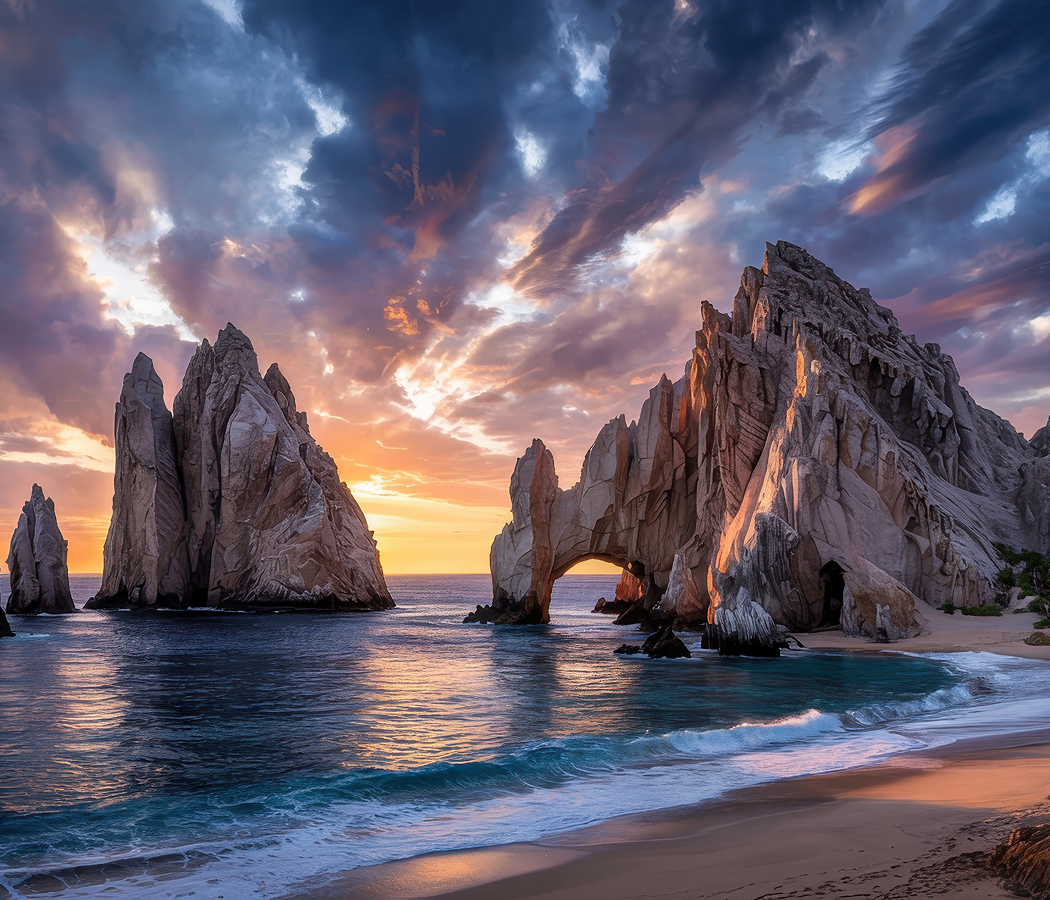
Begin at Los Arcos Marine Park, the protected group of rocky islands rising from the waters opposite the southern coastline near Mismaloya. The formations consist of substantial granite outcrops whose natural arches and sea caves have developed through prolonged exposure to the Pacific's waves and currents. Their steep underwater walls support a rich marine environment, attracting tropical fish, rays and other species associated with the bay's rocky coastal ecosystems. The islands also provide important nesting and resting habitat for seabirds, including pelicans, frigatebirds and several species associated with the surrounding marine environment. Boat excursions provide access to snorkeling and diving areas around the formations, establishing a direct encounter with the geological and ecological character of the southern bay. Continue to Playa Mismaloya, the sheltered coastal settlement whose international reputation developed through John Huston's filming of The Night of the Iguana in 1963. The production brought Richard Burton, Ava Gardner and Deborah Kerr to the region, establishing a consequential chapter in the development of Puerto Vallarta's international cultural reputation. Elizabeth Taylor's presence during the filming contributed to the extraordinary attention surrounding the production, connecting the relatively isolated fishing community with the international entertainment industry. The beach occupies a small cove framed by steep tropical hillsides, with the Río Mismaloya entering the bay near the settlement's waterfront. Small boats continue to operate from the shoreline, preserving the area's relationship with coastal fishing and excursions to the surrounding marine environments. Conclude at Boca de Tomatlán, the fishing village situated at the mouth of the Río Horcones along the southern coastal highway. Its protected cove serves as an important departure point for pangas and water taxis traveling to beaches and communities accessible primarily by sea. The settlement's waterfront preserves a distinctive working maritime character, with fishing boats, small restaurants and the daily movement of passengers connecting the village with destinations farther along the coast. A coastal hiking trail begins near the village and follows the forested shoreline toward Playa Colomitos and Las Ánimas, introducing a terrestrial route through the region's steep coastal landscape. The river mouth and surrounding hillsides establish a geographical meeting point between the Sierra Madre's tropical watersheds and the marine environments of Bahía de Banderas. The progression connects the southern bay's protected marine formations with the cinematic transformation of Mismaloya and concludes in a working coastal village whose maritime traditions preserve an essential relationship with the Pacific.
Where your story begins.
Foresyte Travel reveals places that feel extraordinary long before you arrive.
Enjoy editorial crafted for luxury travelers.
Foresyte may earn a commission when you book.