
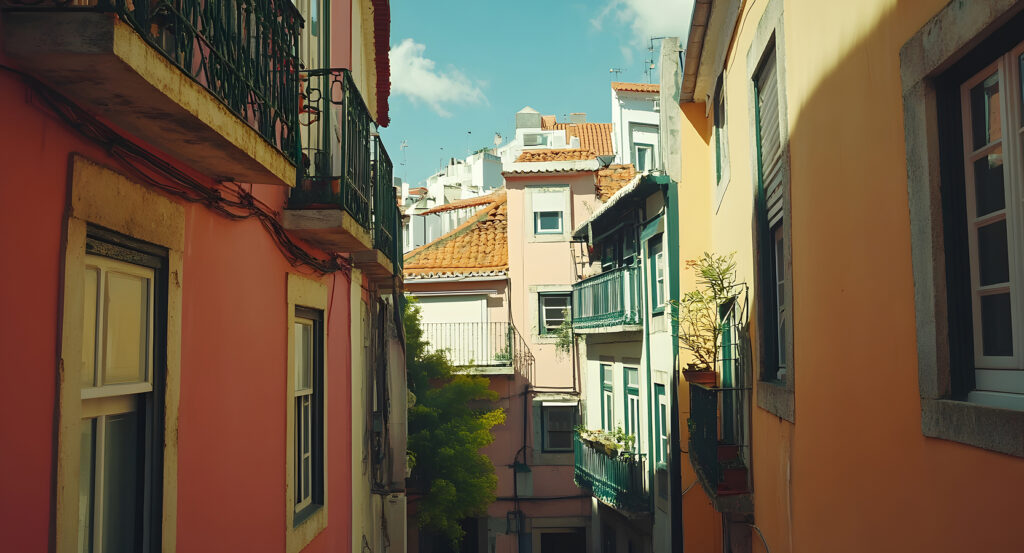
Why you should experience Memmo Alfama Hotel Lisboa in Lisbon, Portugal.
Memmo Alfama Hotel Lisboa is where Lisbon's oldest neighborhood meets modern boutique refinement, where the soulful energy of Alfama blends with serene, minimalist luxury, and where stepping inside feels like entering a sunlit lookout perched above the Tagus, quiet, romantic, and deeply connected to the city's ancient heart.
Tucked into the hillside just beneath São Jorge Castle, the hotel occupies a beautifully restored traditional building whose modest façade opens into a world shaped by clean lines, warm textures, flowing spaces, and views that feel almost cinematic. The first thing you notice is the light, soft, golden, pouring through windows and across terracotta rooftops, illuminating the pathways that cascade down toward the river. Inside, the aesthetic is modern but soulful: smooth wood, sandy neutrals, whitewashed walls, sculptural lighting, warm stone, and handcrafted details that echo the natural palette of Alfama. The lobby feels more like the gallery-like living room of a coastal residence than a hotel, quiet, elegant, and intentionally simple, letting the neighborhood's atmosphere flow in. Rooms and suites continue this approach with inviting, minimalist spaces designed to soothe. Expect plush bedding wrapped in crisp linens, elegant wooden furnishings, woven textiles, curated art pieces, and windows or terraces that frame Alfama's iconic rooftops, the cathedral spires, or the shimmering Tagus. The effect is calming, airy, and intimate, an urban sanctuary perched above one of Lisbon's most atmospheric districts. Bathrooms are sleek and contemporary, with rainfall showers, stone or ceramic finishes, clean-lined vanities, and amenities chosen for quality and physical comfort. Some rooms feature private terraces or small balconies that make early mornings or golden-hour evenings feel quietly ethereal. But the hotel's defining landmark is its terrace and plunge pool, a breathtaking lookout where Lisbon's ancient rooftops and river views unfold in layered perfection. With sun loungers, cozy seating, and a relaxed atmosphere, it's a place where time slows: wine at sunset, coffee at dawn, or long afternoons spent watching trams wind through Alfama below. Dining at Memmo Alfama mirrors its serene, soulful philosophy. Breakfast is served in a beautiful space that opens toward the terrace, fresh pastries, warm breads, fruit, yogurt, cereals, eggs, cheeses, cured meats, juices, and excellent Portuguese coffee presented with quiet elegance. Evenings invite you to unwind with local wines, light bites, and a front-row seat to Lisbon's soft nightfall over the river. Service is warm, polished, and intuitive. Staff members offer thoughtful recommendations for viewpoints, fado houses, hidden stairways, neighborhood cafés, and walking routes through Alfama, Mouraria, and the riverfront. Their knowledge brings the neighborhood to life with authenticity and care. And the location is as iconic as it gets. Memmo Alfama sits in the oldest quarter of Lisbon, steps from the Sé Cathedral, Alfama's winding medieval alleys, panoramic miradouros, traditional fado venues, and scenic paths that descend to the river. You are close to the city's most historic landmarks yet tucked into a peaceful corner that feels quiet, intimate, and removed from the crowds.
What you should know about Memmo Alfama Hotel Lisboa.
Memmo Alfama stands on land shaped by more than two millennia of settlement, land tied to ancient Roman foundations, Moorish fortifications, medieval homes, fado traditions, and centuries of Lisbon's growth beneath the castle walls.
The Alfama district is the oldest continuously inhabited part of Lisbon. Long before the earthquake of 1755, the area where Memmo Alfama now sits was part of a dense hilltop community built around the ancient fortress that became São Jorge Castle. Archaeological surveys conducted in nearby blocks revealed traces of Roman-era structures, including domestic foundations, pottery fragments, and remnants of early road systems leading up the hill. During Islamic rule (from the 8th to the 12th centuries), this hillside zone formed part of the extended medina surrounding the castle's citadel. The area housed craftsmen, traders, families, and soldiers living in tightly packed stone homes that followed the slope's natural contours. Some of these medieval and Moorish-era layouts still shape the winding alleys visible today from the hotel's terraces. After the Christian reconquest, Alfama evolved into a multicultural district filled with fishermen, sailors, merchants, and artisans. The land beneath the hotel hosted small dwellings, storage spaces, and communal courtyards tied to the maritime life of the river below. When the 1755 earthquake devastated much of Lisbon, Alfama survived due to its solid bedrock and irregular medieval construction. Many of the structures around Memmo Alfama remained standing or were rebuilt atop older foundations, meaning the building that became the hotel carries structural layers that span centuries. During renovations, workers uncovered fragments of early masonry, original stone walls, and timber elements that revealed the building's age and its evolution across countless generations. Another lesser-known historical thread: the streets leading from the hotel to the river were once lined with taverns, fado houses, and communal gathering spots that helped define Alfama as the birthplace of fado music. Some of the melodies and traditions that echo through the neighborhood today were shaped in these very lanes. In the 19th and early 20th centuries, the building's residents were often tied to maritime trades, local crafts, or the modest multi-family homes typical of old Alfama. As Lisbon modernized in the mid-20th century, the building underwent various changes before eventually being restored and reimagined as the contemporary boutique hotel you experience today. Today, Memmo Alfama stands as a seamless continuation of its layered past, honoring Roman traces, Moorish roots, medieval patterns, fado heritage, and the dramatic survival story of Lisbon's oldest neighborhood.
How to fold Memmo Alfama Hotel Lisboa into your trip.
Memmo Alfama becomes the soulful, scenic anchor of your Lisbon journey, where mornings begin with river light spilling across terracotta rooftops, afternoons unfold into labyrinthine wanderings, and evenings settle into fado, wine, and the glow of ancient streets.
Start the morning with breakfast on the terrace, watching the Tagus shimmer beneath the rising sun. From there, wander into Alfama's medieval lanes, past the Sé Cathedral, up toward São Jorge Castle, and through the tiny stairways, viewpoints, and tile-lined alleys that define the district's charm. Return to the hotel midday for a rest by the plunge pool or a quiet moment on the terrace, soaking in the soundtrack of distant trams and church bells. In the afternoon, walk down toward the river, explore the Fado Museum, or slip into Mouraria for narrow alleys, cultural heritage sites, and intimate fado spots. Or take Tram 28 up the hill to Graça and enjoy the sweeping viewpoints of Miradouro da Graça and Senhora do Monte. As evening approaches, enjoy a glass of wine on the terrace as the rooftops glow amber in the late light. Then venture into Alfama for dinner at a neighborhood tavern, followed by traditional fado in one of the district's famous casas. Afterward, wander home through lantern-lit streets, quiet, atmospheric, and rich with history, before settling into your serene room above the city's oldest soul.
Where your story begins.
Foresyte Travel reveals places that feel extraordinary long before you arrive.
Experience premium editorial crafted for luxury travelers.














































































































