Why Nasr City matters.
Nasr City is an expansive urban district where grand boulevards, national institutions, and modern Egyptian ambition converge across one of the largest planned developments in the Middle East alongside neighboring Heliopolis.
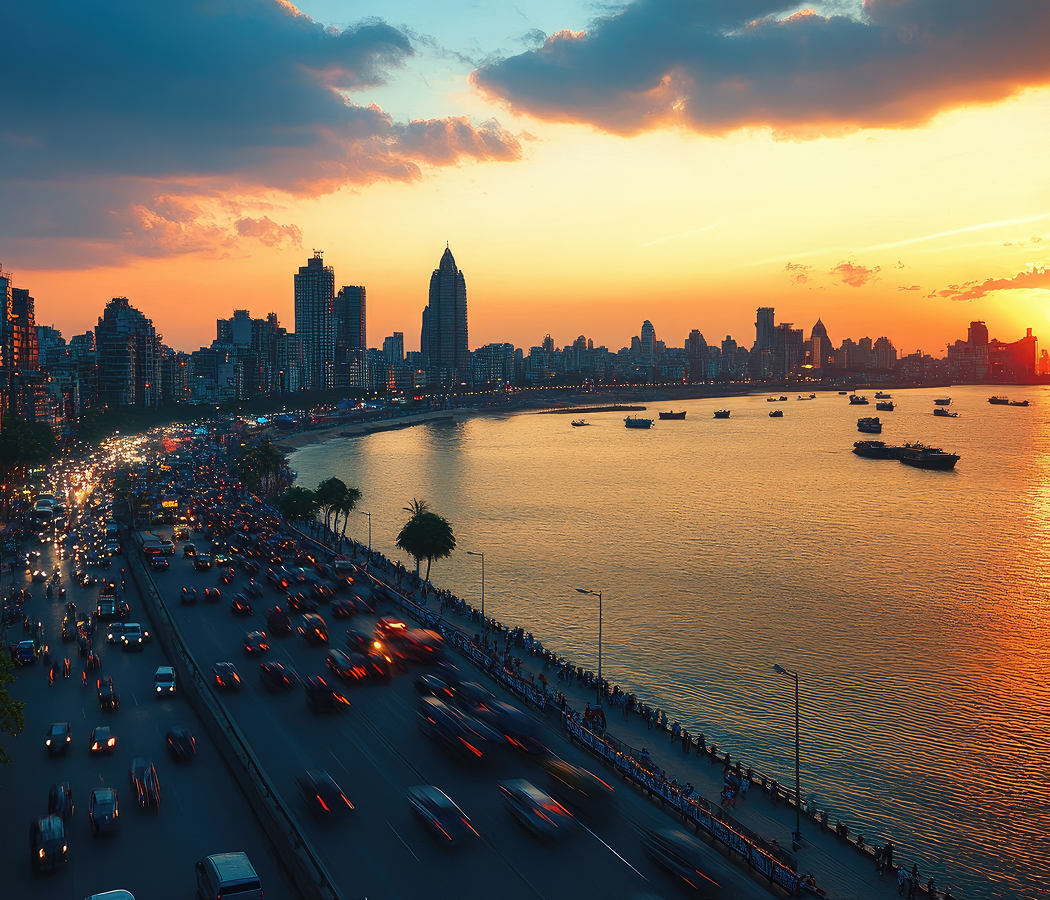
Laid out across vast expanses east of Cairo's historic core, the district unfolds through broad avenues, government complexes, universities, sports facilities, commercial centers, and residential neighborhoods that collectively form one of the capital's most influential urban landscapes. Traffic flows steadily along multi-lane thoroughfares linking major destinations across the city. Students move between lecture halls and cafés near university campuses. Families gather in public parks and shopping centers that anchor community life throughout the district. The scale is unmistakable. Large civic buildings command prominent positions along carefully planned streets, reflecting the vision that shaped the neighborhood during Egypt's postwar expansion. Nasr City occupies a unique position within Cairo, functioning simultaneously as a residential center, business district, educational hub, and seat of national institutions. The result is a neighborhood that reveals the aspirations of modern Egypt through its architecture, infrastructure, and everyday rhythms.
What defines Nasr City.
Nasr City is best known for being home to the Unknown Soldier Memorial, Egypt's national war memorial honoring those who lost their lives during the October War of 1973.
Completed in 1975, the striking pyramid-inspired monument became one of the most important symbols of modern Egyptian national identity. Designed by artist Sami Rafi, the memorial occupies a prominent location within the district and serves as a focal point for state ceremonies, commemorations, and national remembrance. Its presence reflects the broader significance of Nasr City as a district deeply connected to Egypt's modern political and civic life. The neighborhood itself was developed during the mid-twentieth century as part of a major effort to expand Cairo eastward, creating space for government institutions, educational facilities, housing developments, and commercial growth. Over the decades, Nasr City evolved into one of Cairo's largest and most populous districts, shaping the daily lives of millions of residents while reinforcing its role as a cornerstone of the modern capital.
How Nasr City fits.
Nasr City works as an exploration of the institutions, landmarks, and urban development that helped define modern Egypt.
Begin at the Unknown Soldier Memorial, where the district's connection to national history and collective memory immediately comes into focus. Continue toward Al-Azhar University, among the most influential centers of Islamic learning in the world, whose presence reflects Cairo's longstanding role as a center of scholarship and intellectual life. From there, make your way to Cairo International Stadium, a landmark sports venue that has hosted some of the country's most significant athletic and cultural events. The progression moves naturally from civic character to education to public life, revealing the many forces that shaped the district's development. Along the way, explore the commercial corridors, public spaces, and neighborhood centers that support one of Cairo's most important urban communities. Nasr City stands as one of the clearest expressions of modern Egyptian state-building, preserving the institutions, infrastructure, and ambitions that continue to influence the capital today.
Where your story begins.
Foresyte Travel reveals places that feel extraordinary long before you arrive.
Enjoy editorial crafted for luxury travelers.
Foresyte may earn a commission when you book.