Why you should experience West Building at National Gallery of Art in Washington, D.C.
The West Building of the National Gallery of Art is a cathedral of light and serenity, a place where art history unfolds in hushed grandeur.
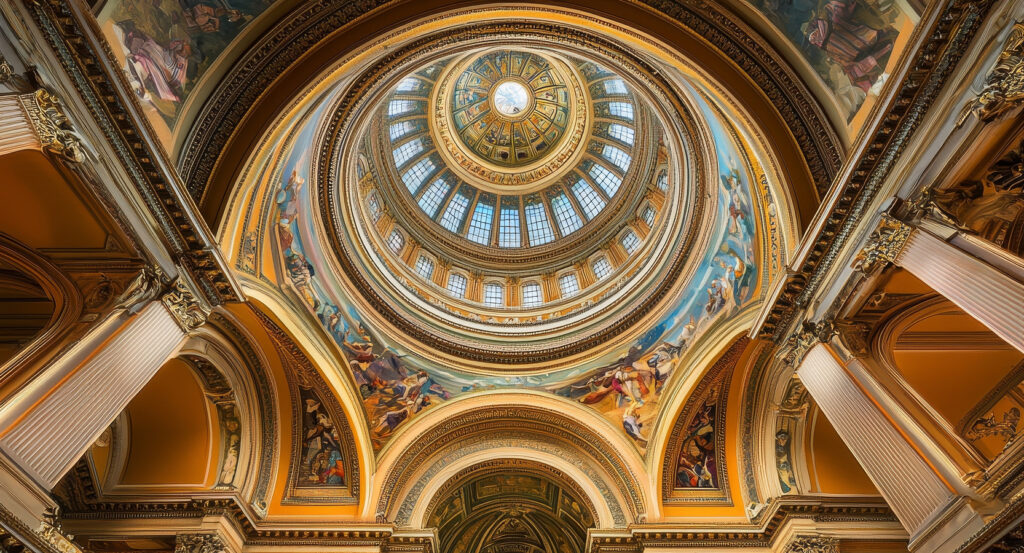
Designed in 1941 by John Russell Pope, the same architect behind the Jefferson Memorial, the building embodies neoclassical perfection: sweeping marble corridors, coffered domes, and tranquil courtyards that feel timeless. Within its elegant galleries lies the heart of the museum's European and American masterworks, from da Vinci and Raphael to Vermeer, Rembrandt, and Monet. Every turn of the corridor opens to a new chapter of civilization's visual story, rendered in color, form, and faith. The Central Rotunda, modeled after the Pantheon, sets the tone, a space of reverence that invites you to slow down and truly see. The West Building isn't just an art museum; it's an experience in grace, where architecture and creativity merge to remind us that beauty, at its best, is eternal.
What you didn't know about West Building at National Gallery of Art.
When the National Gallery of Art's West Building opened, it represented more than art, it symbolized the nation's cultural maturity.
Funded and gifted by financier Andrew W. Mellon, the building was designed to rival the great museums of Europe while embodying distinctly American ideals of accessibility and democracy. Its design, with perfectly symmetrical wings and classical detailing, honors the traditions of antiquity while framing modern-day mastery. The Sculpture Galleries and Garden Courts were intentionally filled with natural light and living plants to create a sense of peace, bridging the indoors and outdoors. The collection includes some of the most important paintings in the Western canon, Vermeer's Woman Holding a Balance, Raphael's The Alba Madonna, and Monet's luminous Rouen Cathedral series among them. What many don't realize is that beneath the quiet beauty lies a vast network of archives and conservation labs, where teams of experts study and preserve art for future generations, ensuring that each brushstroke remains vivid for centuries to come.
How to fold West Building at National Gallery of Art into your trip.
Plan to enter the West Building first, it's the traditional starting point for the National Gallery of Art, grounding you in centuries of artistic evolution before the East Building's modern contrast.
Begin in the Rotunda, then follow the gentle flow through the Italian Renaissance and Dutch Golden Age galleries. Pause at the West Garden Court, where fountains and greenery create a sanctuary amid marble columns, a perfect place to rest and reflect. Don't miss the American Art Wing toward the end of your visit, where works by Gilbert Stuart and John Singer Sargent showcase the country's own artistic rise. Before crossing through the Concourse to the East Building, take one last walk along the French Impressionist galleries, bathed in soft natural light, a breathtaking transition from the classical to the modern. Whether you're an art historian, a romantic
Hear it from the Foresyte community.
Just enough life around you not to be overwhelming. Right pace.
Where your story begins.
Start your planning journey with Foresyte Travel.
Experience immersive stories crafted for luxury travelers.