Why Palazzo Sormani matters.
Palazzo Sormani is a cultivated historic palace where Guastalla's institutional character meets Milanese Barocchetto architecture, an early Neoclassical garden front and the transformation of an aristocratic residence into the city's central library.
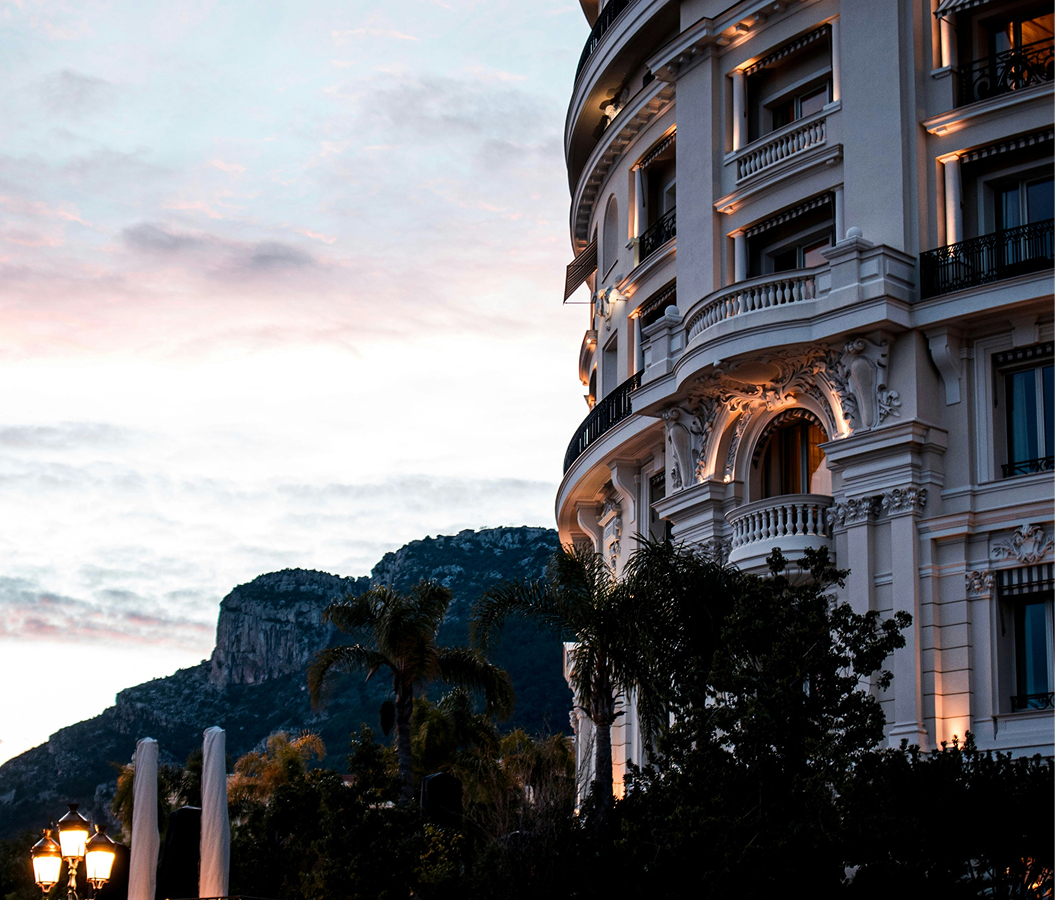
Set along Corso di Porta Vittoria near Via Francesco Sforza and just steps from Via della Guastalla, the palace occupies a prominent corner where its long street facade, walled garden, neighboring historic residences and the greenery around the Guastalla precinct interrupt the denser blocks extending toward Piazza Cinque Giornate. Francesco Croce's principal front presents a measured sequence of windows and stone ornament across the corso, with the entrance opening into courtyards concealed behind the street elevation. The garden side shifts toward Benedetto Alfieri's restrained classical composition, placing the residence against a green interior edge that once connected more extensively with adjoining gardens. Corso di Porta Vittoria carries the building west toward the Duomo district as Via Francesco Sforza follows the former Naviglio corridor beside the historic hospital quarter. The result is a palatial enclosure whose contrasting facades preserve the transition between aristocratic Milan and the institutional district that developed around Guastalla.
What defines Palazzo Sormani.
Palazzo Sormani is best known for the eighteenth-century architectural campaign that joined Francesco Croce, Benedetto Alfieri and Agostino Gerli within one of Milan's most accomplished aristocratic residences. The building developed from an earlier seventeenth-century palace before Giovanni Paolo Andreani commissioned Croce to create the principal Corso di Porta Vittoria front during the first half of the eighteenth century. Croce organized the Barocchetto elevation around a central portal and closely ordered window bays, giving the residence the ceremonial street presence expected of Milanese aristocratic architecture during the period. Benedetto Alfieri entered the project in 1756 and designed the garden elevation, adopting a more restrained classical treatment that became one of the city's early examples of the architectural direction soon associated with Neoclassicism. Elia Vincenzo Buzzi contributed sculpture to that front, extending Alfieri's composition through figures integrated with its architectural ornament. Biagio Bellotti painted the ballroom ceiling in the same year, bringing a major Lombard painter into the interior decorative campaign. Agostino Gerli subsequently created stucco decoration for rooms overlooking the garden, adding another leading Milanese designer to an ensemble developed across architecture, sculpture and interior ornament. Leopoldo Pollack later worked on the garden and a lateral elevation, carrying the palace into the generation that established mature Neoclassicism across Habsburg Milan. The Sormani family eventually transferred artworks from Palazzo Verri on Via Montenapoleone into the residence, including Sforza marble medallions originating from Casa Marliani and Grechetto paintings associated with the Sala degli Animali. Palazzo Sormani accumulated several generations of Milanese design within a residence whose successive patrons repeatedly engaged architects and artists at the forefront of the city's changing architectural culture.
The twentieth century converted that aristocratic inheritance into a major public library through destruction, reconstruction and a new cultural purpose. Air raids in 1943 damaged the palace and destroyed Bellotti's ballroom ceiling, removing one of the principal elements of its eighteenth-century decorative campaign. Arrigo Arrighetti directed the postwar reconstruction, working with surviving historic rooms as the Comune prepared the complex for a radically different function. The Biblioteca Comunale Centrale moved into Palazzo Sormani during the 1950s, concentrating a major portion of Milan's municipal library holdings within the restored residence. Historic rooms overlooking the garden retained Gerli's eighteenth-century stuccowork, and paintings devoted to the myth of Orpheus survived elsewhere in the complex. The garden acquired twentieth-century sculpture by Agenore Fabbri, extending artistic intervention beyond the historic interiors into the exterior ground. Library use placed reading rooms and collections inside architecture originally developed for aristocratic ceremony, converting private reception spaces into a civic center for books and study. Palazzo Sormani now preserves Croce, Alfieri, Gerli, Pollack and Arrighetti within the same architectural sequence, allowing its public role to continue through rooms shaped across more than two centuries.
How Palazzo Sormani fits.
Palazzo Sormani works as the anchor for a daytime exploration through Guastalla using three nearby sites that move from a sixteenth-century charitable garden through a Benedictine institution shaped by Sforza patronage into an eighteenth-century cemetery created for the Ospedale Maggiore.
Begin at Giardino della Guastalla, commissioned by Paola Ludovica Torelli and completed in 1555 as part of the institution she created for young women. Torelli had sold her Emilian territory to Ferrante Gonzaga before pursuing religious and charitable projects in Milan, first supporting the Angeliche around San Paolo Converso and then establishing the Collegio delle Guastalline. The garden developed behind high walls as a protected component of the college, and its seventeenth-century peschiera replaced an earlier pond with a double-exedra basin supplied by the Naviglio running along present-day Via Francesco Sforza. Luigi Cagnola later contributed the small Neoclassical temple on its perimeter. Municipal acquisition in 1938 led Renzo Gerla and Gaetano Fassi to reshape the former private ground for public use, and the garden opened to the city after centuries within the Guastalla institution. Continue to San Pietro in Gessate, where Pope Eugene IV suppressed the older prepositure in 1433 and established a priory of the Benedictine Congregation of Santa Giustina. The institution advanced under Sforza rule, and Pope Alexander VI elevated it to an abbey in 1493 at the request of Duke Gian Galeazzo Maria Sforza. Suppression arrived in 1772, after which the complex and its property passed to the Martinitt orphanage. The boys remained there until 1932, extending the precinct from Benedictine religious life into another major Milanese charitable institution across five centuries. Conclude at Rotonda della Besana, created after the Ospedale Maggiore sought a new burial site beyond its older cemetery beside the Naviglio. Construction of a covered cemetery began in 1695 under Arrisio Arrigoni, with the first burials following in July 1697; work on San Michele Arcangelo ai Nuovi Sepolcri began in 1719 as the burial complex expanded. Francesco Croce and Francesco Raffagno participated in the later church and portico campaign, and silk merchant Giambattista Annone supplied financial support that helped bring the surrounding enclosure to completion in 1731. Austrian sanitary measures ended cemetery use in 1792, and Luigi Cagnola subsequently prepared unrealized proposals to convert the complex into a pantheon for the Napoleonic Kingdom of Italy. The progression moves from Torelli's charitable college and enclosed Renaissance garden through a Benedictine foundation converted for the Martinitt into the Ospedale Maggiore's purpose-built burial complex, connecting three institutions that reshaped the territory around Palazzo Sormani through education, religious patronage and public welfare.
Where your story begins.
Foresyte Travel reveals places that feel extraordinary long before you arrive.
Enjoy editorial crafted for luxury travelers.
Foresyte may earn a commission when you book.