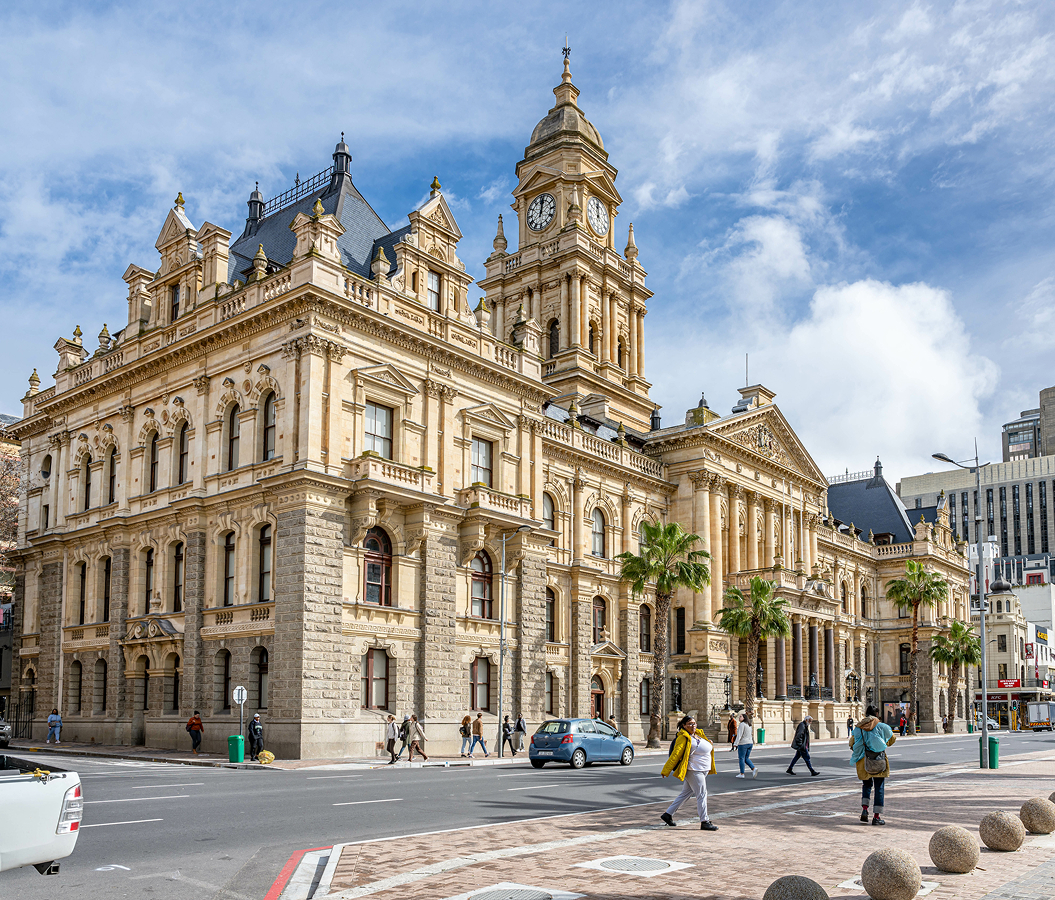
Why you should experience Parker Cottage in Cape Town, South Africa.
Parker Cottage is where Cape Town stops performing and starts confiding, where history, intimacy, and quiet human warmth intertwine into an experience that feels soulful, lived-in, and profoundly personal.
This is not a hotel you “check into.” It's a place you're welcomed into, like a friend's beautifully kept home that somehow already knows you. Set in the leafy calm of Tamboerskloof, Parker Cottage exists just outside the city's louder rhythms, occupying a pocket of Cape Town where time behaves differently. The moment you step through the gate, the city recedes, not dramatically, but decisively. The air feels softer. The light changes. Conversation lowers its volume. What replaces the city's urgency is not silence, but presence. Parker Cottage doesn't ask you to slow down; it simply removes the reasons not to. The property itself is a lovingly restored Victorian house, and that lineage matters. There's a sense of continuity here, of lives lived, stories layered, mornings repeated, that modern hotels often try to simulate but rarely achieve. Wooden floors carry a gentle creak. Staircases curve with intention. Windows frame gardens, courtyards, and glimpses of mountain and sky in a way that feels organic. Nothing here is oversized or imposing. Everything is scaled to the human body, the human voice, the human pace. Inside, the atmosphere is warm, eclectic, and quietly joyful. Spaces feel curated through affection rather than design theory, art collected rather than installed, furniture chosen for comfort and character rather than trend. You move through lounges, dining areas, and outdoor nooks with the sense that each room has hosted countless conversations before yours, and will host countless more after. There is no pressure to perform here, no expectation of how a guest should behave. You are free to be exactly as present or private as you wish. Your room reinforces this feeling. Each one is distinct, shaped by the bones of the house rather than a template, and that individuality matters. Beds feel inviting. Light filters in gently through curtains that soften. The décor feels layered, personal, and a little bit whimsical, like a space that has evolved over time. You unpack slowly here, not because you're uncertain, but because the room feels like it deserves occupation, not just use. Mornings at Parker Cottage are quietly magnetic. Light slips into the house gradually, touching walls, floors, and garden leaves with patience. Breakfast is not a transaction; it's a ritual. Tables feel communal without being intrusive, conversations emerge naturally, and the food itself feels nourishing in a way that goes beyond ingredients. Coffee tastes better when it's served without rush, when the only agenda is noticing how the day feels as it arrives. Afternoons unfold gently. You might wander into the garden, sit with a book you don't finish, or step out into Cape Town knowing you'll return to a place that holds your impressions.
What you should know about Parker Cottage.
Parker Cottage was built around the rebellious idea that hospitality is an act of generosity, not performance.
Unlike many boutique hotels that lean heavily on concept or aesthetic identity, Parker Cottage's defining quality is authenticity. The house has always been a home first, and that spirit remains embedded in every corner of the experience. Its Victorian bones are not polished into anonymity; they are celebrated, imperfections and all. This creates a sense of honesty that guests feel immediately, often. Another lesser-known aspect of Parker Cottage is how intentionally it cultivates connection. The scale of the house, the layout of shared spaces, and the rhythm of daily life all encourage organic interaction. Guests often find themselves talking with one another at breakfast, sharing recommendations, or lingering in common areas. This is not social programming; it's social permission. You can engage or retreat entirely on your own terms. Service culture reflects this philosophy perfectly. Interactions are warm, attentive, and deeply personal, guided by care. Staff remember names, preferences, and stories not because they are trained to, but because the environment makes it natural. Hospitality here feels familial without being intrusive, generous without being overwhelming. There is a sense that everyone involved genuinely wants you to feel at ease, not impressed. Parker Cottage also attracts a very specific kind of traveler, and that shapes the atmosphere in subtle but meaningful ways. Guests tend to be thoughtful, curious, and open, people who value depth over density, experience over performance. Writers, artists, couples, solo travelers, and repeat visitors gravitate here instinctively. Many arrive after experiencing Cape Town's grander expressions, seeking not more stimulation, but more connection. Over time, staying at Parker Cottage reshapes how guests understand the city itself. Cape Town stops feeling like a place to conquer or curate and starts feeling like a place with layers of intimacy, neighborhoods, routines, conversations, moments that don't announce themselves but stay with you. Parker Cottage doesn't explain this transformation. It allows it to happen naturally, through repetition, warmth, and the quiet power of being genuinely welcomed.
How to fold Parker Cottage into your trip.
Parker Cottage works best when you allow it to become the resonant hearth of your stay rather than a place you return to only at night.
Begin mornings slowly, letting the house wake up around you before the city does. Sit with coffee longer than planned. Talk if conversation emerges; stay silent if it doesn't. Spend early hours enjoying the garden, the light, and the feeling of being unhurried before stepping into Cape Town. When you do venture out, to the city bowl, the Waterfront, the mountain, or coastal routes, do so with curiosity rather than urgency, knowing that your return will feel restorative rather than anticlimactic. Midday is ideal for coming back. Rest in your room. Sit in a shared space. Let the house absorb what the city offers. Afternoons stretch comfortably here when you stop trying to structure them. As evening approaches, allow Parker Cottage to draw you inward again. The transition from day to night feels gentle and human, no announcements, no performances, just light softening and energy settling. Dine nearby or follow the house's recommendations, then return to a space that feels familiar and safe. Nights here are quiet without being empty, intimate without being heavy. Over multiple days, something quietly transformative occurs. Your internal pace slows. Your attention sharpens. You stop trying to extract experience from Cape Town and start receiving it through moments of connection, rest, and reflection. The city reveals itself not through highlights, but through feeling, how it sounds in the morning, how it settles at night, how it feels to be held by a place that expects nothing from you.
Where your story begins.
Foresyte Travel reveals places that feel extraordinary long before you arrive.
Experience premium editorial crafted for luxury travelers.