Travel guide to Rome, Italy.
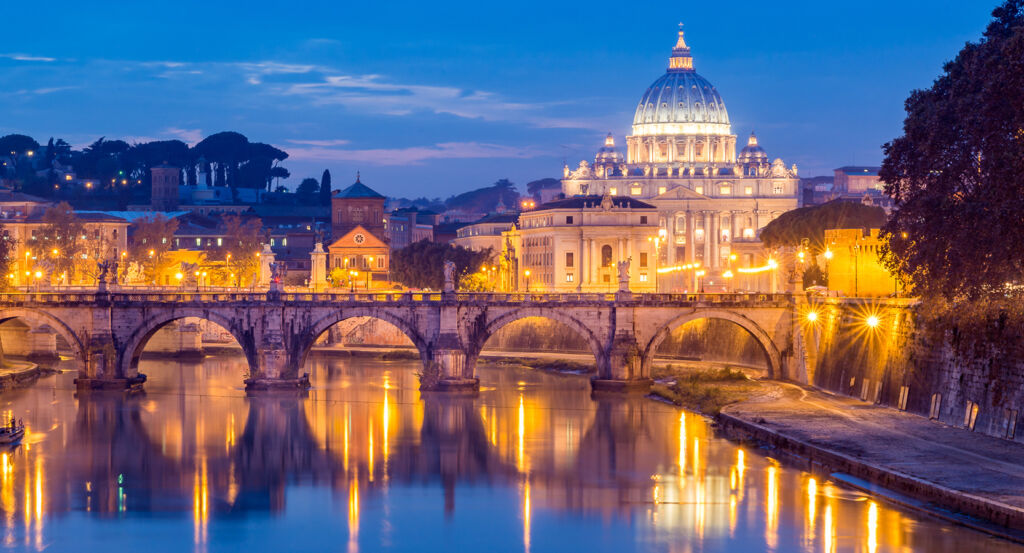
Rome doesn't unfold in chapters, it confronts you with layers.
Every step through the city feels stacked atop something older, heavier, more permanent. Stone bleeds into marble, marble into fresco, and every meal seems shaped by generations who refused to rush perfection. Mornings begin among steps and ruins that once dictated the rhythm of empires, afternoons drift through hills and forums where power once assembled, and evenings settle into dining rooms that understand continuity better than innovation. Rome is not a city you conquer; it's one you move through carefully, aware that history is always watching.
Three days you'll remember.
📍 let it ruin
Day 1: Spanish Steps
The Spanish Steps rise in graceful symmetry from Piazza di Spagna, connecting the city's lower bustle with the elevated calm above. The wide staircase invites lingering rather than rushing, offering a vantage that feels both theatrical and intimate. It's an elegant threshold into Rome's layered geography.
Day 1: Osteria Navona
Osteria Navona delivers classic Roman cooking in a setting that favors warmth over spectacle. The menu leans into traditional pastas and balanced flavors, executed with discipline. It grounds the evening in familiarity, reinforcing Rome's devotion to continuity.
Day 2: Colosseum
The Colosseum stands as a structural declaration of imperial ambition, its arches still commanding the skyline after nearly two millennia. Walking its perimeter clarifies the scale of Rome's historical reach and its unapologetic engineering prowess. It remains less a ruin than a reminder of permanence.
Day 2: Nonna Fortunata
Nonna Fortunata centers its identity on handmade pasta and unapologetically traditional preparation. The experience feels grounded and direct, allowing texture and seasoning to carry authority. It's Roman cuisine without theatrics, shaped by repetition perfected over time.
Day 2: Palatine Hill
Palatine Hill rises above the Forum as the mythic birthplace of Rome and later the seat of imperial residences. The ruins spread across open ground in a way that feels expansive. From its vantage points, the city's ancient spine becomes visible and legible.
Day 2: Benso
Benso approaches Italian dining with contemporary precision while remaining anchored in regional structure. The room feels composed and modern. It introduces subtle evolution into a day otherwise defined by antiquity.
Day 3: Osteria del Gallo
Osteria del Gallo channels Roman hospitality through straightforward cooking and attentive pacing. The dishes favor clarity over embellishment, reflecting a respect for ingredients. It begins the final day with steadiness and intention.
Day 3: Roman Forum
The Roman Forum unfolds as an open-air archive of civic power, where columns and foundations trace the skeleton of ancient governance. Walking its paths reframes Rome as a functioning organism. It's the structural heart of the empire laid bare.
Day 3: Trevi Fountain
The Trevi Fountain commands its space with baroque drama, water cascading over carved stone in deliberate excess. Even amid crowds, the monument holds authority through scale and composition. It captures Rome's instinct to fuse spectacle with craftsmanship.
Day 3: Art Cibò Ristorante dai Pupi
Art Cibò Ristorante dai Pupi delivers refined Italian cuisine with a focus on balance and presentation. The menu bridges regional tradition with controlled creativity, never abandoning structure. It closes the itinerary with polish, echoing Rome's enduring ability to blend artistry with appetite.
Rome Itinerary FAQ.
What are the best things to do in Rome for a weekend trip?
The best things to do in Rome include visiting the Colosseum, Vatican City, the Pantheon, Trevi Fountain, and wandering through charming neighborhoods like Trastevere.
When is the best time to visit Rome for a weekend getaway?
Spring (April to June) and fall (September to October) are the best times to visit Rome, offering pleasant weather and fewer crowds compared to peak summer months.
Where should I stay in Rome for a weekend trip?
Top areas to stay in Rome include Centro Storico for history, Trastevere for charm, and Monti for a local vibe close to major attractions.
What food should I try in Rome during a weekend visit?
Must-try Roman dishes include carbonara, cacio e pepe, supplì (fried rice balls), artichokes (carciofi), and gelato from a traditional gelateria.
Is Rome walkable for a weekend itinerary?
Yes, Rome is very walkable, especially in the historic center. Many iconic sights are within walking distance of each other, and exploring on foot reveals hidden gems.
How do I get around Rome on a weekend trip?
Rome's metro, buses, and trams make it easy to get around. Walking is ideal for the historic center, while taxis and rideshare apps can help cover longer distances.