
Why Rue de Bretagne matters.
Rue de Bretagne is a spirited Enfants-Rouges corridor where market tradition, aristocratic heritage, culinary excellence, and contemporary Marais culture converge along one of the capital's most beloved neighborhood streets.
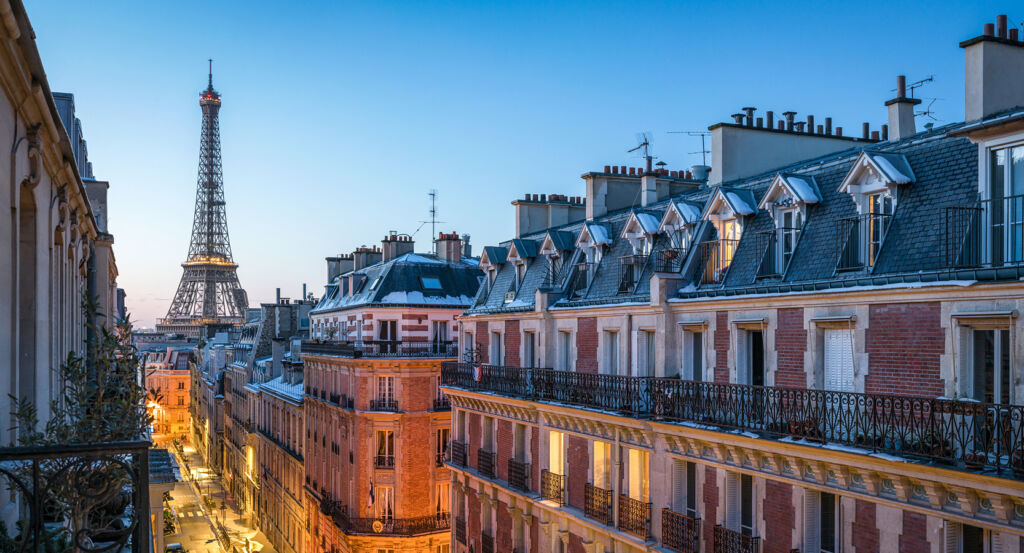
Running through Enfants-Rouges between Boulevard du Temple and Rue de Turenne, this lively corridor unfolds through celebrated food markets, independent boutiques, historic cafés, elegant townhouses, artisan bakeries, and beautifully preserved seventeenth and eighteenth century architecture that reflects centuries of continuous neighborhood life. Bustling terraces, specialty food shops, design studios, and flourishing local businesses create a streetscape where historic Paris and contemporary creativity exist in effortless harmony. Every section of the corridor reveals the distinctive energy that has transformed the northern Marais into one of the city's most admired destinations. The result is a corridor defined by culinary distinction, architectural heritage, and one of Paris' most engaging historic streets.
What defines Rue de Bretagne.
Rue de Bretagne is best known for anchoring the historic Marché des Enfants Rouges, founded in 1615 during the reign of Louis XIII as the oldest covered food market in Paris and one of the oldest continually operating markets in Europe. The market takes its name from the nearby Hospice des Enfants-Rouges, established by Marguerite de Navarre in 1534 for orphaned children who wore distinctive red uniforms symbolizing Christian charity, while the surrounding corridor developed as part of the aristocratic expansion of the Marais under Henri IV and Louis XIII. Over four centuries, the avenue evolved from a residential street serving noble hôtels particuliers into one of Paris' defining culinary destinations, where traditional butchers, cheesemongers, fishmongers, pâtissiers, wine merchants, and specialty food producers gradually joined international kitchens representing Moroccan, Lebanese, Japanese, Italian, and other cuisines that now make the market a benchmark for modern Parisian gastronomy. The corridor also preserves remarkable architectural landmarks including the Carreau du Temple, originally constructed in 1863 by architect Jules de Mérindol as one of Napoleon III's great iron market halls before its award-winning twenty-first century restoration transformed it into a major cultural and sporting venue. Together, these institutions demonstrate more than five centuries of uninterrupted commercial, architectural, and social history within one of the capital's most energetic neighborhoods.
Historic food traditions continue flourishing alongside contemporary culinary innovation, allowing generations of independent merchants to sustain a marketplace culture that has survived revolutions, Haussmann's reconstruction, and dramatic changes in urban life. The preservation of Marché des Enfants Rouges, the reinvention of Carreau du Temple, and the remarkable survival of the surrounding Marais streetscape demonstrate how thoughtful stewardship has allowed Rue de Bretagne to remain both a living neighborhood and one of Paris' foremost destinations for gastronomy, architecture, and community life. Few streets express the enduring relationship between historic commerce and modern Parisian culture with such remarkable authenticity.
How Rue de Bretagne fits.
Rue de Bretagne works as an exploration through Enfants-Rouges' celebrated markets, cultural landmarks, and historic streets.
Begin at Marché des Enfants Rouges, where Paris' oldest covered market introduces centuries of culinary tradition before wandering along Rue de Bretagne through one of the Marais' liveliest neighborhoods. Continue to Carreau du Temple, whose beautifully restored nineteenth century iron architecture reflects the remarkable reinvention of one of the city's great historic market halls. Conclude at Musée Picasso, where one of the world's finest collections devoted to Pablo Picasso provides a memorable finale celebrating the artistic and cultural richness that continues defining the northern Marais. The progression moves naturally from historic gastronomy to architectural innovation before culminating in artistic mastery, revealing why Rue de Bretagne remains one of Paris' most rewarding historic corridors.
Where your story begins.
Foresyte Travel reveals places that feel extraordinary long before you arrive.
Experience premium editorial crafted for luxury travelers.
Foresyte Travel may earn a commission when you book through the link on this page.














































































































