
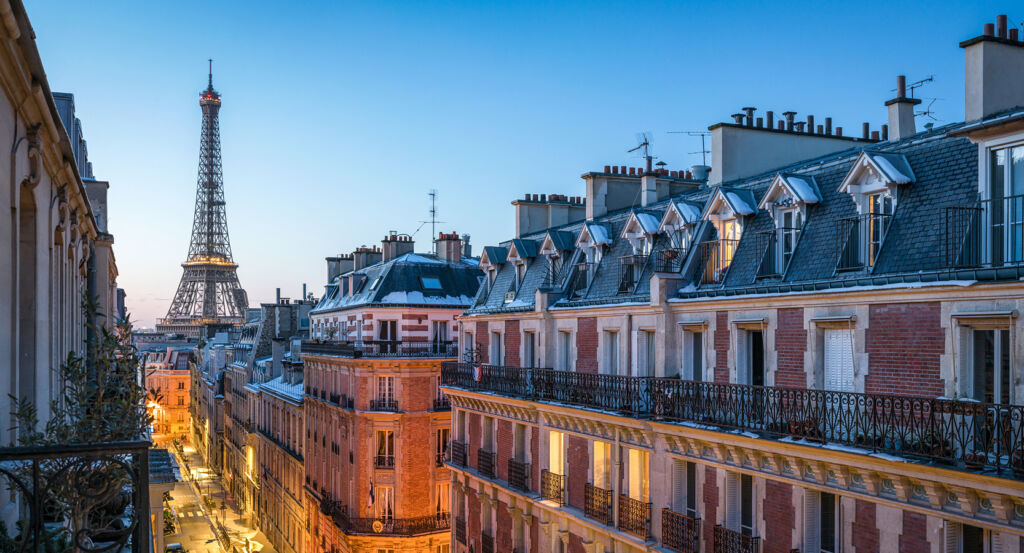
Why Rue Saint-Antoine matters.
Rue Saint-Antoine is a renowned Saint-Gervais corridor where royal processions, revolutionary history, aristocratic architecture, and centuries of Parisian life converge along one of the capital's most historically consequential streets.
Running through Saint-Gervais between Place de la Bastille and Rue de Rivoli, this grand historic corridor unfolds through elegant hôtels particuliers, celebrated museums, distinguished churches, refined boutiques, lively cafés, and beautifully preserved façades that chronicle the evolution of Paris from the medieval monarchy to the modern Republic. Monumental stone architecture, richly ornamented portals, intimate courtyards, and energetic neighborhood life create a streetscape where political power, cultural achievement, and everyday commerce have shaped the city for nearly a millennium. Every block reveals another defining chapter of Parisian history, transforming a simple walk into an extraordinary journey through the capital's past. The result is a corridor defined by historical grandeur, architectural excellence, and one of Paris' most significant urban thoroughfares.
What defines Rue Saint-Antoine.
Rue Saint-Antoine is best known for forming the principal ceremonial route connecting the Louvre and the royal residences of Central Paris with the Château de Vincennes while taking its name from the medieval Abbey of Saint-Antoine-des-Champs, becoming the setting for some of French history's most consequential events, including the fatal jousting accident of King Henry II in 1559 near the former Hôtel des Tournelles that altered the course of the French monarchy. The corridor later became inseparable from the French Revolution through its direct connection to Place de la Bastille, while its exceptional collection of aristocratic residences, including Hôtel de Sully and Hôtel de Mayenne, preserves the remarkable transformation of Le Marais into the political and noble heart of seventeenth century Paris.
Rue Saint-Antoine continues expressing centuries of architectural ambition through an exceptional sequence of Renaissance mansions, classical façades, religious landmarks, and distinguished civic buildings that remain woven into the fabric of everyday neighborhood life. Independent boutiques, cultural institutions, neighborhood cafés, and carefully preserved historic buildings sustain the remarkable vitality of a corridor where royal history, revolutionary memory, and contemporary Paris continue unfolding along one of the city's oldest and most celebrated streets.
How Rue Saint-Antoine fits.
Rue Saint-Antoine works as an exploration through Saint-Gervais' remarkable royal heritage, historic landmarks, and architectural masterpieces.
Begin at Place de la Bastille, where one of France's most significant historic sites establishes the revolutionary legacy of the neighborhood before following Rue Saint-Antoine into the heart of historic Le Marais. Continue to Hôtel de Sully, whose grand seventeenth century architecture and formal gardens reveal one of Paris' finest aristocratic residences while providing direct access to the district's historic character. Conclude at Place des Vosges, where France's oldest planned royal square provides a grand finale through elegant arcades, landscaped gardens, and one of the world's greatest unified architectural ensembles. The progression moves naturally from revolutionary history to aristocratic grandeur before concluding through Paris' most celebrated royal square, revealing why Rue Saint-Antoine remains one of the capital's defining historic corridors.
Where your story begins.
Foresyte Travel reveals places that feel extraordinary long before you arrive.
Experience premium editorial crafted for luxury travelers.
Foresyte Travel may earn a commission when you book through the link on this page.














































































































