Why Sydhavnen matters.
Sydhavnen is a waterfront district where industrial heritage, contemporary architecture, and canal-side living converge across one of the most ambitious urban transformations in modern Scandinavia.
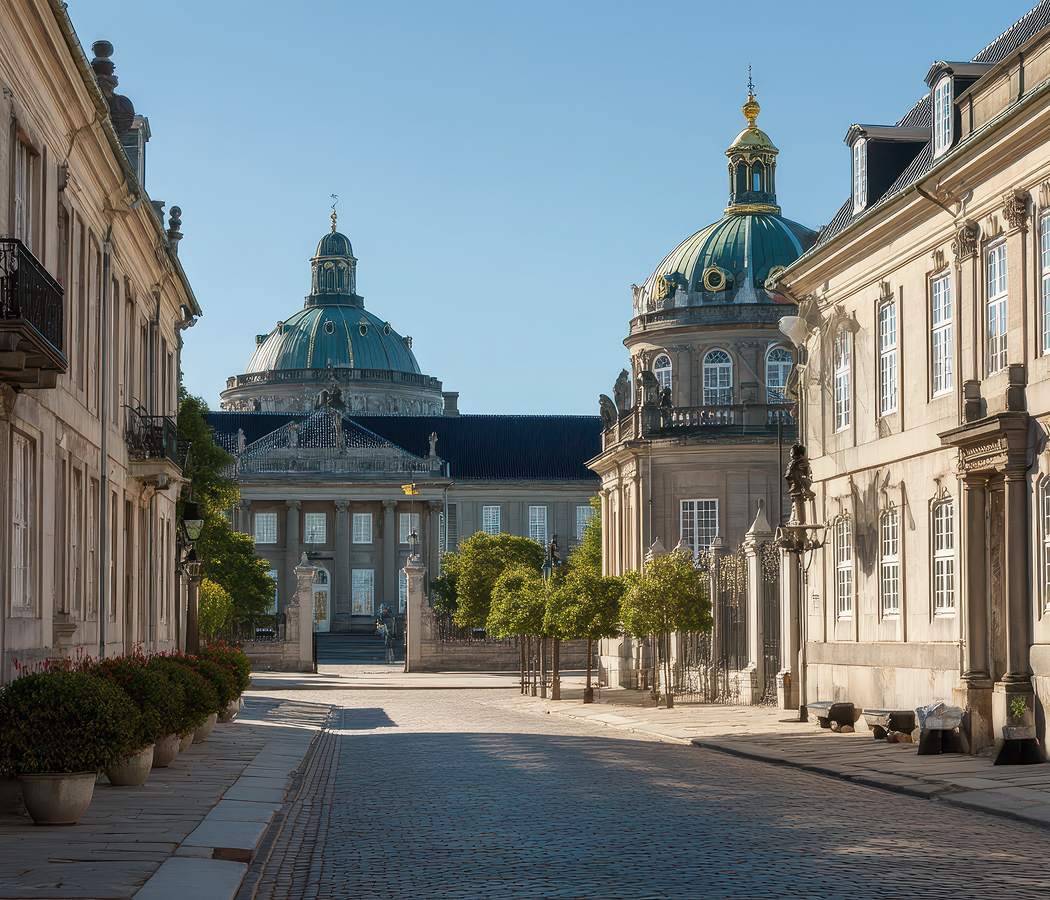
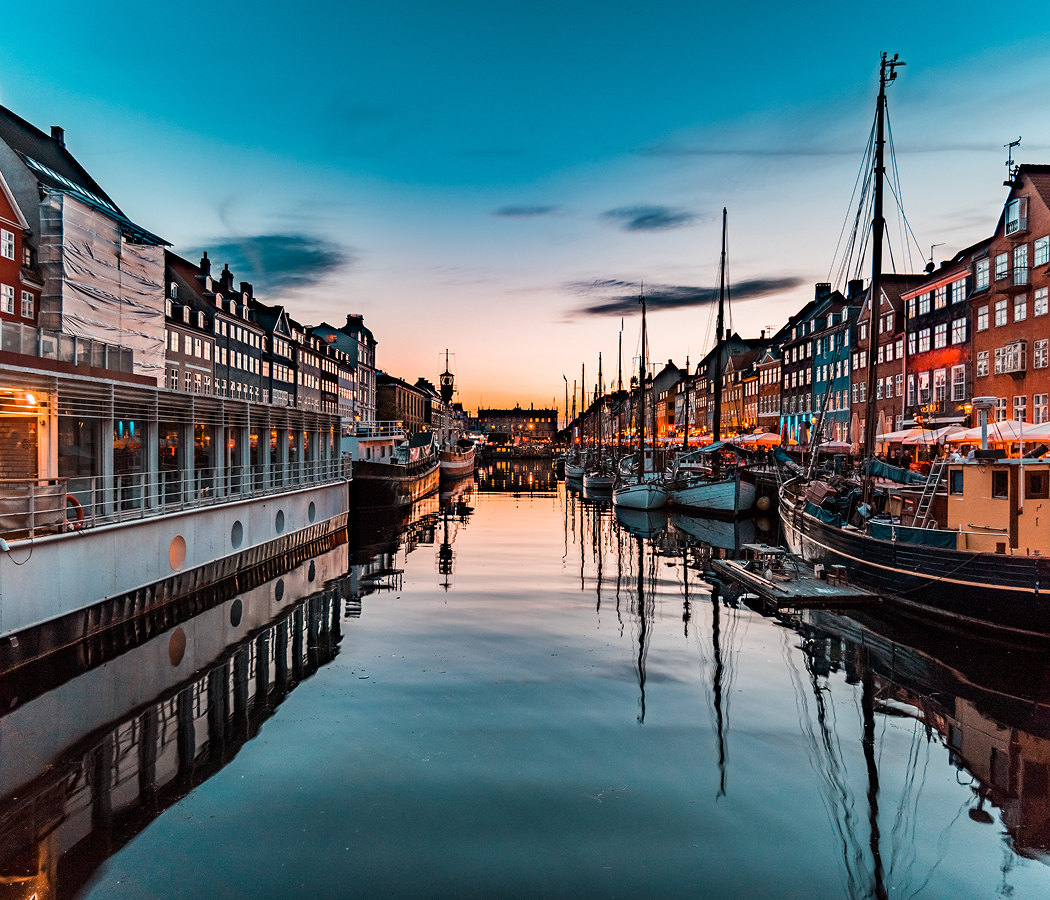
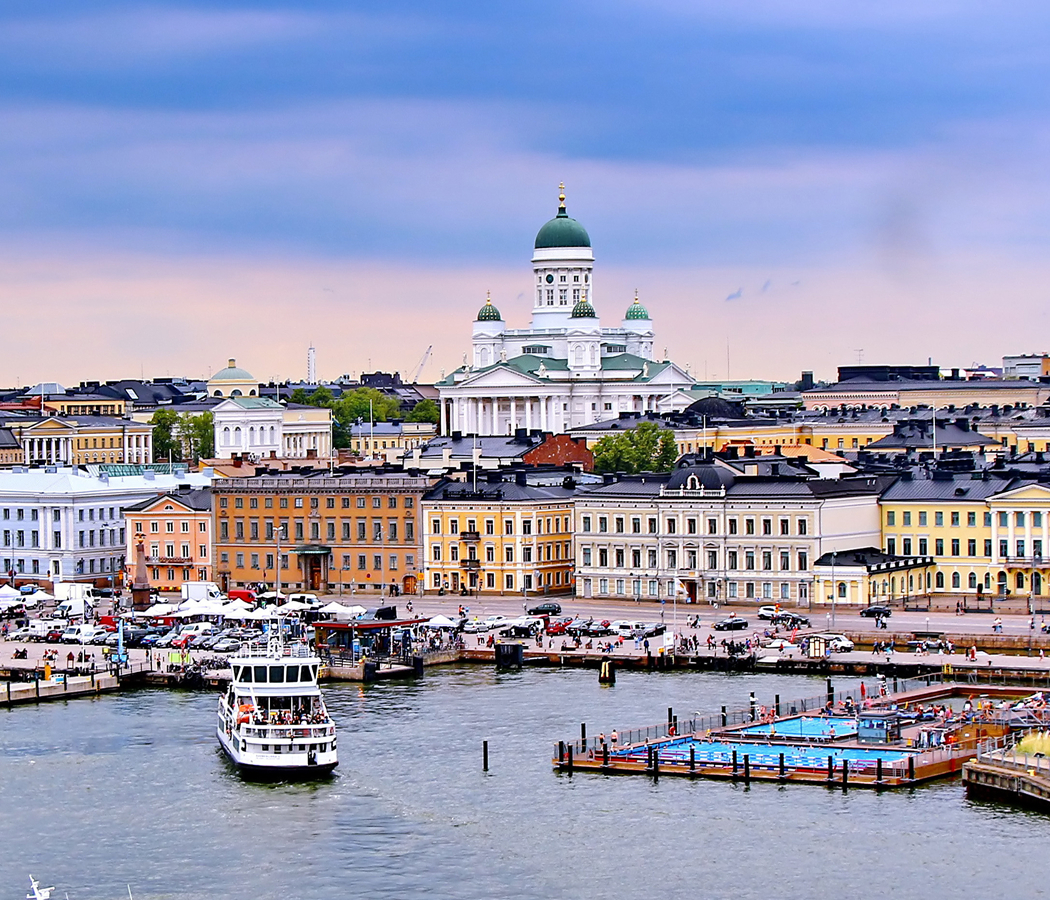
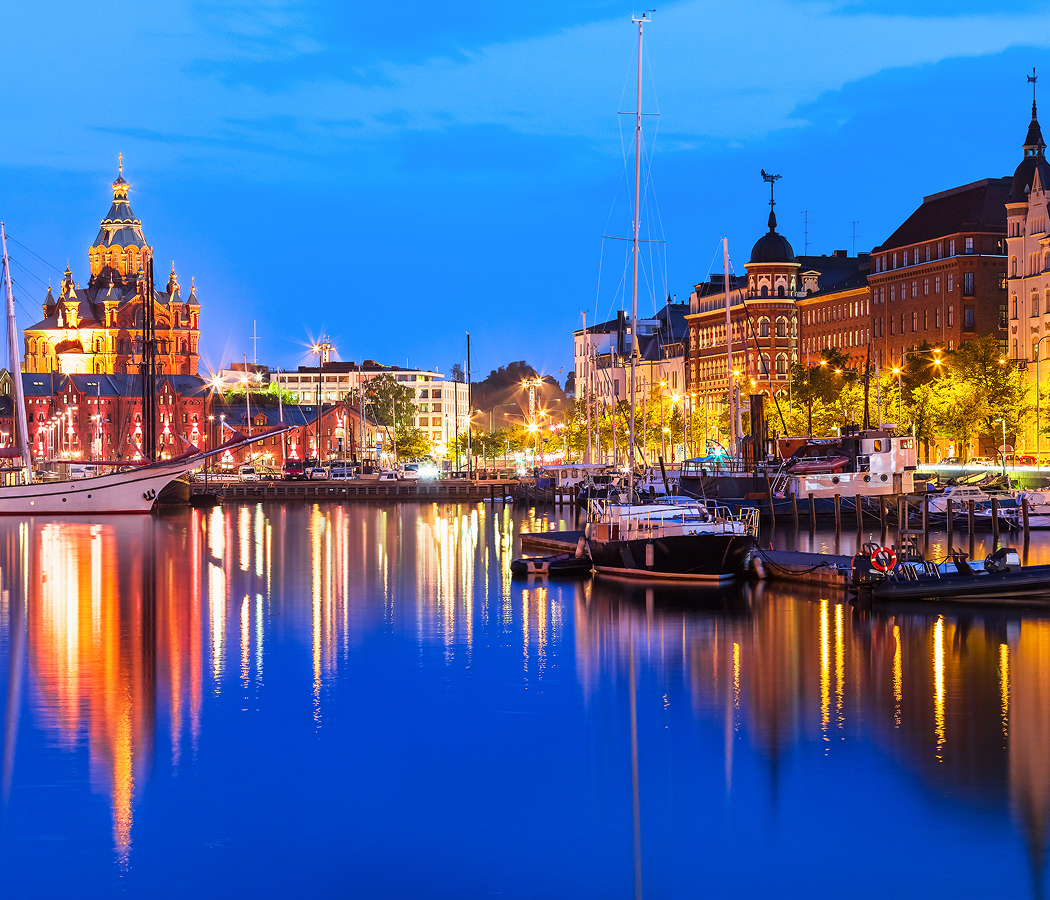
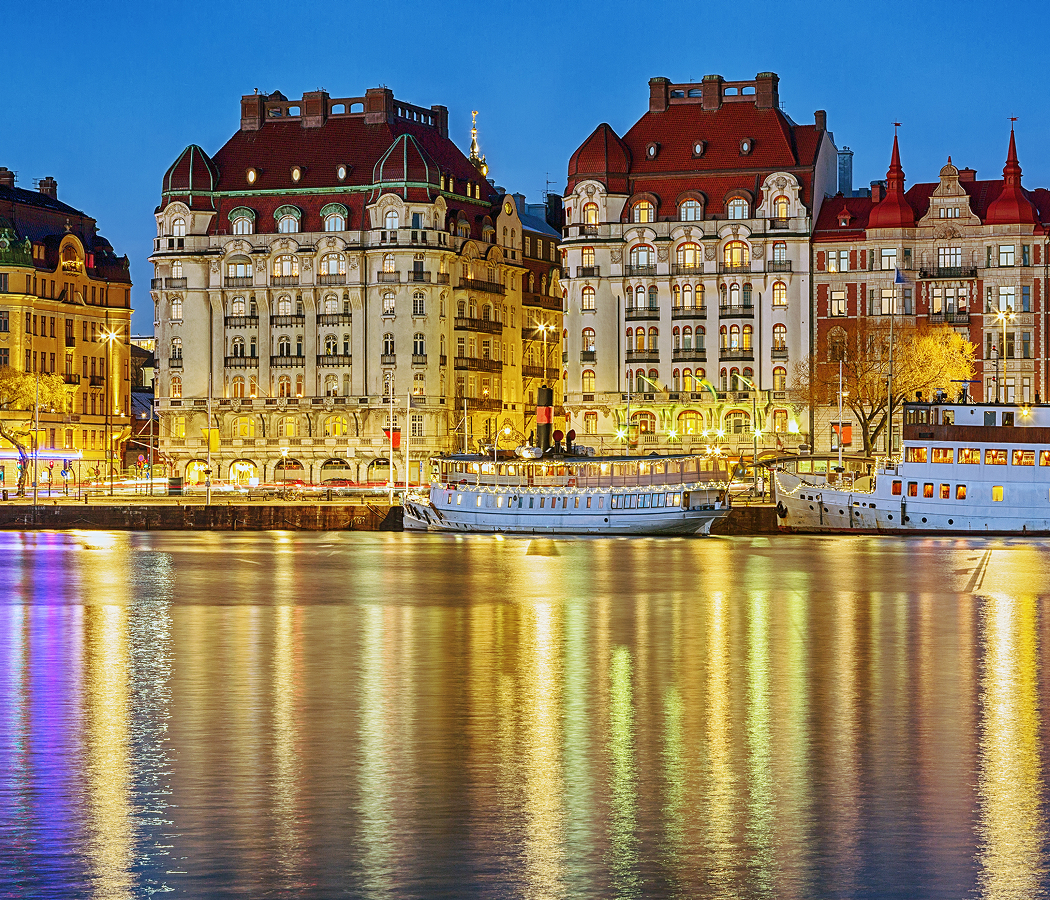
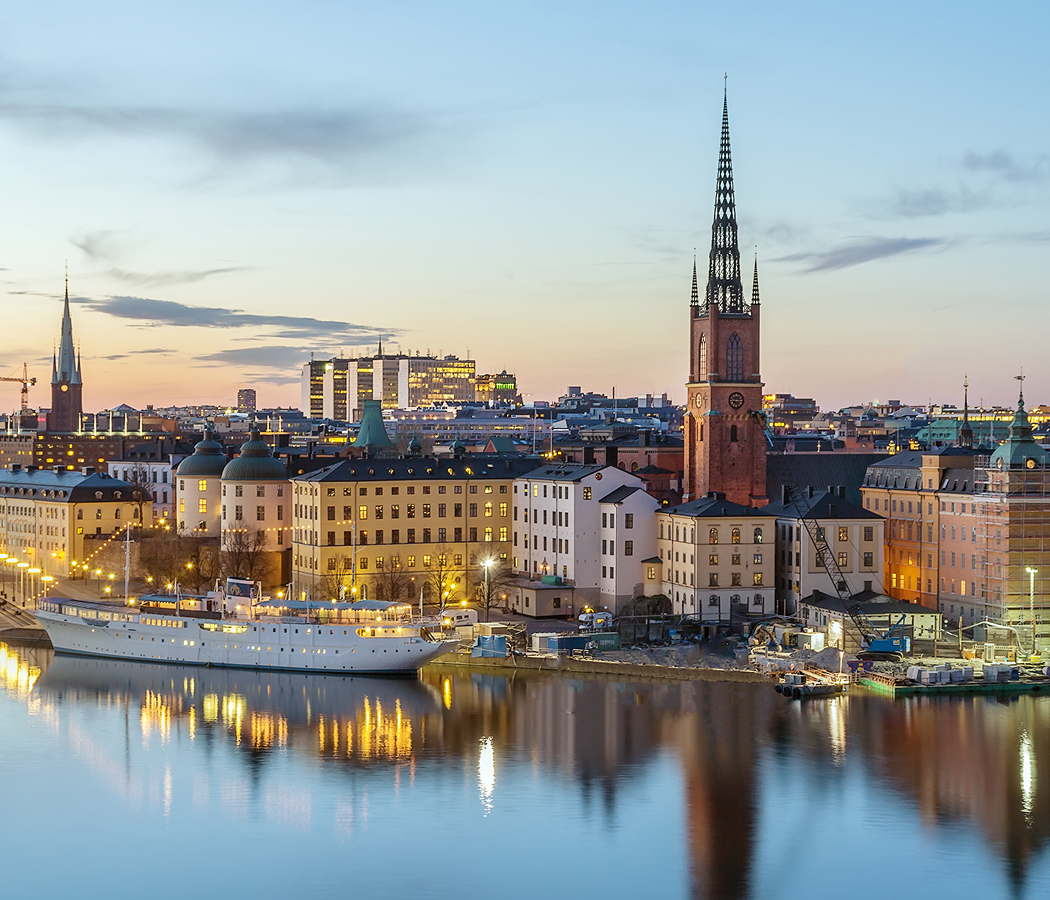
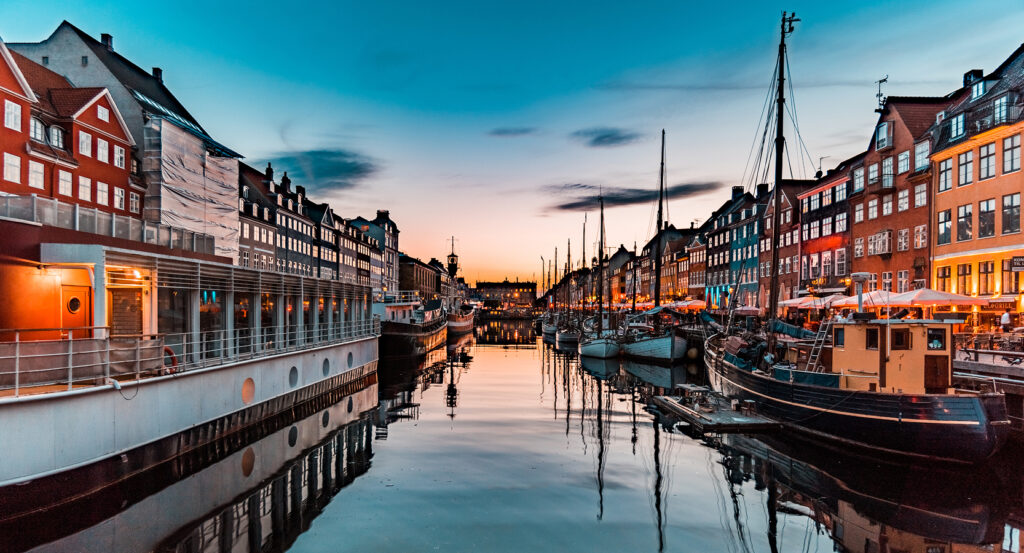
Former shipyards, warehouses, and industrial parcels have steadily evolved into a landscape of residential islands, harbor promenades, swimming zones, and modern public spaces woven directly into Copenhagen's working waterfront. Canals cut through newly developed neighborhoods where cyclists cross sleek pedestrian bridges and residents gather along harbor edges that once served freight and heavy industry. The district feels distinctly tied to the water. Kayaks move between residential blocks. Harbor baths fill with swimmers during warmer months. Contemporary apartment buildings reflect across calm channels that extend toward the larger Copenhagen Harbor system. The neighborhood's transformation remains visible rather than concealed, creating a compelling discussion between old infrastructure and new urban life. Just east, the energy of Islands Brygge blends naturally into Sydhavnen's expanding waterfront, reinforcing its role as one of Copenhagen's most significant growth corridors.
What defines Sydhavnen.
Sydhavnen is best known for being home to Sluseholmen, a canal district inspired by Dutch urban design principles that transformed former industrial harbor land into one of Copenhagen's most distinctive waterfront communities.
The development became an internationally recognized example of contemporary waterfront planning, introducing a network of canals, pedestrian-friendly streets, mixed-use buildings, and public spaces that reconnect residents directly to the harbor. Rather than turning away from its industrial past, the district embraced its maritime setting and used water as the organizing element for urban life. Sluseholmen helped establish a blueprint for subsequent redevelopment throughout Sydhavnen, accelerating investment while preserving the neighborhood's connection to Copenhagen's working harbor traditions. The surrounding district continues to evolve through major residential, transportation, and commercial projects that are reshaping the southern harbor into one of the city's most dynamic urban environments. Few neighborhoods demonstrate Copenhagen's approach to sustainable waterfront development more clearly than Sydhavnen.
How Sydhavnen fits.
Sydhavnen works as an exploration of the canals, harbor spaces, and contemporary urban design that define Copenhagen's evolving relationship with the water.
Begin at Sluseholmen, where canal-lined streets immediately reveal the planning philosophy that has transformed the district into a celebrated waterfront destination. Continue toward Copenhagen South Harbor, whose promenades, bridges, and harborfront spaces showcase the broader scale of redevelopment occurring throughout the area. From there, make your way to Teglholmen, another canal-oriented neighborhood whose modern architecture and waterside public spaces demonstrate how urban living and maritime heritage continue to intersect. Along the route, you'll encounter harbor baths, cycling infrastructure, floating recreation spaces, and views across the wider harbor toward Islands Brygge and Central Copenhagen. The progression moves naturally from neighborhood-scale planning to waterfront infrastructure to contemporary urban design, revealing the forces reshaping the district. Sydhavnen remains one of the most compelling examples of twenty-first century city-building in Europe, preserving its maritime character while embracing a future built around livability, sustainability, and the water.
Where your story begins.
Foresyte Travel reveals places that feel extraordinary long before you arrive.
Enjoy editorial crafted for luxury travelers.
Foresyte may earn a commission when you book.