Why The Bishop Arts District matters.
The Bishop Arts District is a deeply textured neighborhood where independent boutiques, candlelit restaurants, and the creative soul of old Dallas converge into one of the city's most beloved cultural corridors.
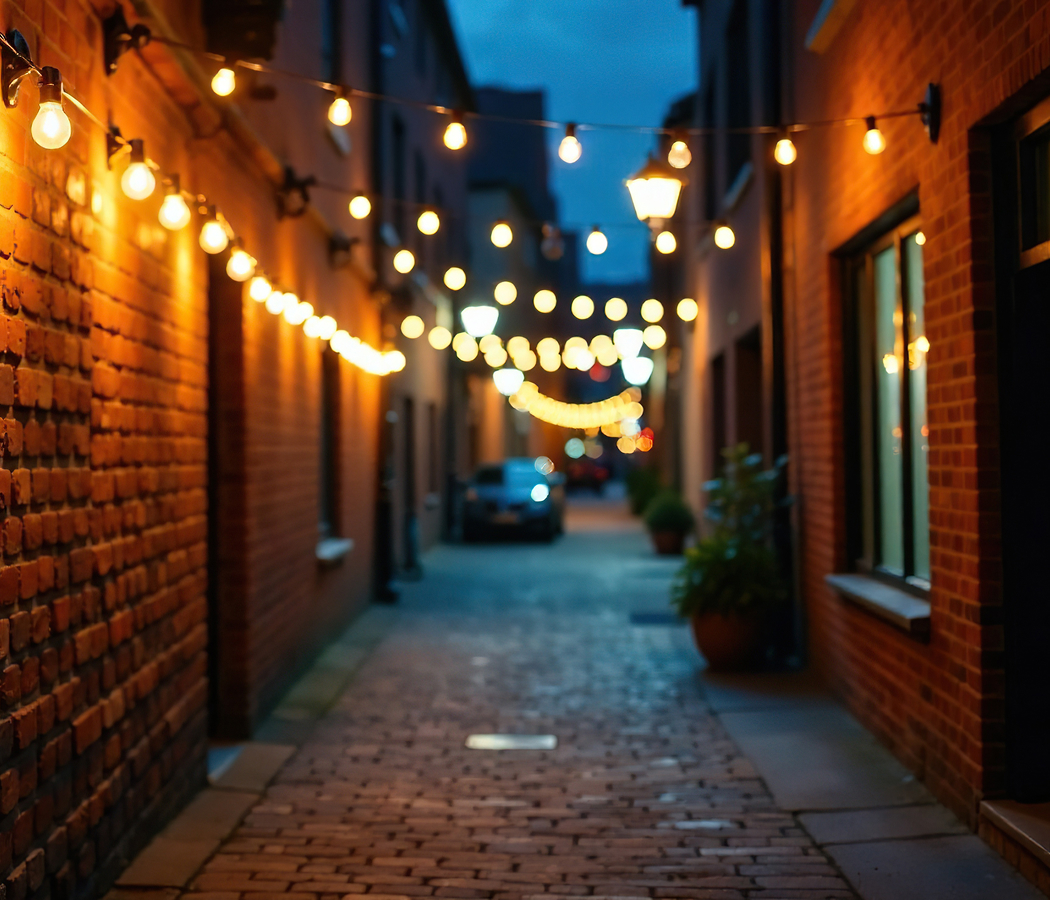
Set along North Bishop Avenue near West Davis Street and just steps from the historic Oak Cliff street grid, this walkable arts district carries the unmistakable atmosphere of a neighborhood built for slow afternoons, wine-soaked dinners, and nights where live music, espresso, murals, bookstores, cocktail bars, and conversation all spill naturally onto the sidewalks beneath glowing string lights and restored brick storefronts. The district feels different from much of Dallas. Streets narrow slightly, chain storefronts disappear almost entirely, and the pace softens into something more personal and neighborhood-driven. Cafés hum quietly beside vintage shops, patios fill with lingering brunch crowds, and nearly every storefront feels independently imagined. The Bishop Arts District thrives on intimacy and personality. Nothing here feels oversized or overly polished. Instead, the neighborhood rewards wandering without a plan, drifting between boutiques, bakeries, record stores, bars, galleries, and restaurants while the rhythm of Oak Cliff slowly reshapes the day around you. The result feels less like a commercial district and more like a living social ecosystem stitched together by creativity, hospitality, and local identity.
What defines The Bishop Arts District.
The Bishop Arts District traces its roots back to the early 20th century, evolving from a historic streetcar-era commercial district into one of the city's defining centers for independent culture and neighborhood-driven hospitality.
Much of the district's enduring appeal comes from scale and preservation. Unlike many rapidly redeveloped areas of Dallas built around vertical expansion and modern luxury infrastructure, Bishop Arts retained its smaller storefronts, historic façades, pedestrian orientation, and neighborhood texture as revitalization gradually unfolded over the years. That architectural intimacy allowed independent businesses to flourish. Restaurants, bookstores, bars, galleries, bakeries, coffeehouses, vintage shops, and music venues coexist densely within a relatively compact footprint, creating a level of walkability and social overlap that remains unusually rare within Dallas. The district's culinary character reflects that independence. Chef-driven restaurants, wine bars, taco shops, cocktail lounges, bakeries, and cafés all contribute distinct personalities without collapsing into sameness or trend repetition. Yet the neighborhood's resonant character extends beyond commerce entirely. Murals, music, local art, community events, and long-standing neighborhood businesses all reinforce the sense that Bishop Arts still belongs first to the people shaping it daily. In a city often associated with rapid growth and polished luxury culture, Bishop Arts preserves something more grounded: character earned slowly over time.
How The Bishop Arts District fits.
The Bishop Arts District works as an unstructured afternoon and evening dedicated entirely to wandering, eating, drinking, and discovering the neighborhood at your own pace.
Arrive without a rigid itinerary and allow the streets themselves to guide the experience. Start with coffee or brunch, then move slowly between boutiques, bookstores, galleries, bakeries, and small storefronts that reveal themselves best when there is no urgency pulling you elsewhere. The district rewards curiosity. One turn leads to hidden cocktail bars, another to patios glowing beneath string lights, another to live music drifting from an open doorway somewhere deeper into Oak Cliff. Dinner should remain flexible as well. The strongest Bishop Arts evenings happen when one glass of wine becomes dinner, dinner becomes another cocktail nearby, and the neighborhood gradually pulls the night later. Walk everywhere. The intimacy of the district is central to its appeal, storefronts close enough together that entire evenings unfold within a few connected blocks. As night settles fully across the neighborhood, the streets begin glowing softly beneath restaurant lighting, crowded patios, and the low hum of conversation spilling from nearly every corner. The Bishop Arts District does not rely on performance or expansive attractions. Its magic comes from atmosphere, a rare Dallas neighborhood where creativity, hospitality, and human scale still feel inseparable from the experience itself.
Where your story begins.
Foresyte Travel reveals places that feel extraordinary long before you arrive.
Enjoy editorial crafted for luxury travelers.
Foresyte may earn a commission when you book.