Why The St. Regis Cairo matters.
The St. Regis Cairo is an expansive riverfront hotel where the Nile's ancient geography meets modern Egyptian luxury, the diplomatic traditions of the capital and Cairo's continuing role as the cultural center of the Arab world.
Set along the Corniche El Nil in Central Cairo, The St. Regis Cairo occupies a prominent position on the river's eastern bank between downtown, Bulaq and the northern approaches to the city center, with the Nile stretching south toward Old Cairo and bridges linking the western districts across the water. Its tall contemporary façade rises above a formal waterfront entrance, combining glass, pale stone, balconies and vertical lines suited to the scale of the capital. Guest rooms and suites face the river, downtown or the surrounding city, with upper floors providing broad views of boats, bridges, rooftops and the dense urban landscape. The building's public interiors use marble, timber, polished metal and rich textiles to create the ceremonial atmosphere associated with the St. Regis tradition. The Corniche remains active outside the property, carrying traffic, pedestrians and river movement along one of Cairo's most important urban corridors. Its location places visitors within reach of museums, government offices, markets, mosques, churches and the commercial streets of Central Cairo. The Nile provides a natural axis through the city, separating neighborhoods while connecting the historic center with newer districts and the western bank. The result is a substantial riverfront hotel whose architecture and position unite Cairo's ancient waterway with the formal rituals of contemporary international hospitality.
What defines The St. Regis Cairo.
The St. Regis Cairo is best known for establishing a major St. Regis presence on the Nile, introducing the brand's traditions of butler service, formal dining and ceremonial hospitality to one of the world's most historic capitals. The property opened in 2021 as part of the expansion of Cairo's luxury waterfront, adding a highly vertical hotel and residential complex to the city's central river corridor. Its location places the hotel near downtown, the diplomatic district and the cultural institutions concentrated along the Nile and the central city. The property contains 362 guest rooms and suites arranged within a tall contemporary building overlooking the river and Cairo's urban core. The accommodations combine spacious interiors, marble bathrooms, sitting areas, workspaces and windows oriented toward the water or city. Larger suites create private residential environments suited to extended stays, formal entertaining and diplomatic travel. The hotel's architecture expresses the St. Regis character through polished public rooms, rich materials, controlled lighting and carefully structured arrival spaces. Its importance rests on the combination of international luxury service and the political, cultural and geographic significance of the Nile. The property functions as both a business hotel and a ceremonial setting for weddings, conferences, official visits and social gatherings. Its riverfront position also gives it a direct relationship with the daily movement of Cairo, where boats, bridges, traffic and dense neighborhoods surround the waterway. The St. Regis Cairo represents the city's modern development along the Corniche while preserving the centrality of the river in Cairo's identity. It operates as a formal urban residence and as a base for encountering the museums, mosques, markets and historic districts of the capital.
The St. Regis Bar provides a refined social setting for cocktails, afternoon gatherings and evening conversation within the hotel's formal public interiors. Its atmosphere continues the brand's association with ritual, ceremony and carefully prepared drinks while remaining connected to Cairo's urban energy outside the building. La Zisa offers Italian cuisine in a polished dining environment, linking Mediterranean ingredients and contemporary service with the international character of the hotel. Tianma introduces Asian flavors and techniques into the property's restaurant program, creating a contrasting culinary setting beside the Nile. The spa develops a quieter dimension through treatment rooms, relaxation areas, hydrotherapy and beauty services within a private environment above the river. Fitness facilities support daily exercise through cardiovascular equipment, strength-training areas and personal routines designed for business and leisure travelers. Guest rooms and suites maintain a residential character through sitting areas, dressing rooms, generous bathrooms and views that keep the Nile or city present throughout the stay. The hotel's meeting rooms and ballrooms support weddings, diplomatic receptions, corporate conferences and large social events, preserving the role of the grand Cairo hotel as a public interior. Private residences add a longer-stay dimension through larger living spaces, kitchens, multiple bedrooms and dedicated services. The property's service culture emphasizes discretion, personalized attention and the formal rituals associated with the St. Regis name. Its location along the Corniche makes the hotel a natural base for visitors moving between government offices, cultural institutions, commercial districts and the riverfront. The building's vertical scale provides an elevated view of Cairo's density, showing the contrast between the Nile's open surface and the tightly packed neighborhoods beyond the banks. The St. Regis Cairo functions as both a luxury residence and a ceremonial urban landmark, combining international dining, wellness, private accommodation and event culture within the modern riverfront of Egypt's capital.
How The St. Regis Cairo fits.
The St. Regis Cairo works as the starting point for an exploration connecting ancient Egyptian civilization, the city's Islamic architectural traditions and the panoramic geography of the Nile as it passes through the modern capital.
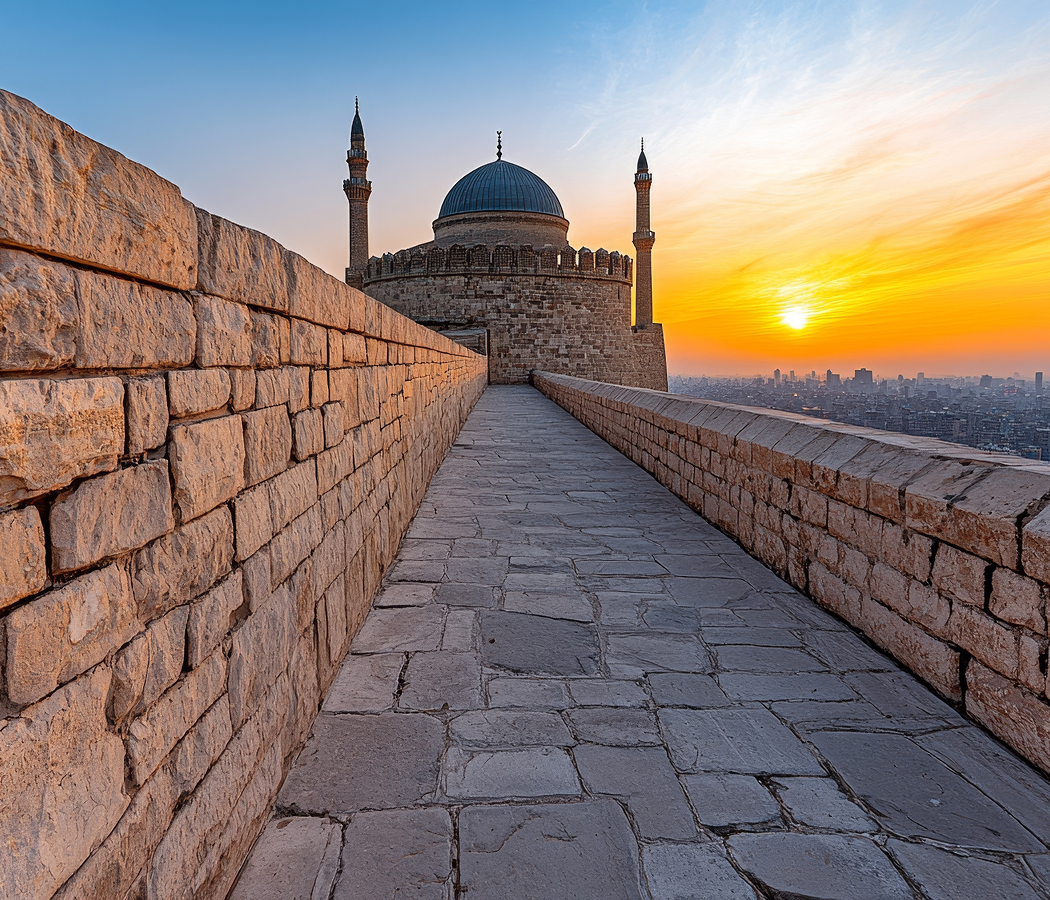
Begin at the Egyptian Museum, the historic institution on Tahrir Square whose galleries preserve an extraordinary collection of royal sculpture, funerary objects, jewelry, papyri and everyday materials from ancient Egypt. Its collection follows the development of Egyptian civilization across thousands of years, connecting rulers, priests, craftsmen and communities within the long history of the Nile Valley. The museum's neoclassical building stands within Cairo's modern civic center, placing ancient history beside government buildings, hotels, traffic and public squares. Its galleries provide the deepest historical foundation for understanding the river and the civilizations that depended on it. Continue to Cairo Tower, the tall observation tower on Gezira Island whose elevated platform provides wide views across the Nile, Downtown Cairo and the surrounding districts. Completed in the twentieth century, the tower became a recognizable symbol of modern Egypt and the city's expanding metropolitan identity. Its height reveals the relationship between the river, bridges, islands, dense neighborhoods and distant desert edges more clearly than the street-level city. The tower connects Cairo's modern architecture with the enduring geographic importance of the Nile. Conclude at Al-Azhar Mosque, the historic religious and educational institution in Islamic Cairo whose courtyards, arcades and prayer spaces preserve centuries of Islamic architecture and scholarship. Founded in the tenth century, Al-Azhar developed into one of the most influential centers of Sunni learning in the world. Its buildings and surrounding streets form part of a dense historic district filled with markets, mosques, schools and traditional urban spaces. The mosque connects the modern riverfront capital with the religious, intellectual and architectural traditions that shaped Cairo after the medieval foundation of the city. The progression moves from the Egyptian Museum's ancient civilization through Cairo Tower's modern panorama and concludes at Al-Azhar Mosque, where Cairo's Islamic intellectual and architectural history remains active within its historic center.
Where your story begins.
Foresyte Travel reveals places that feel extraordinary long before you arrive.
Enjoy editorial crafted for luxury travelers.
Foresyte may earn a commission when you book.