Why you should experience The Westin Mumbai Powai Lake in Mumbai, India.
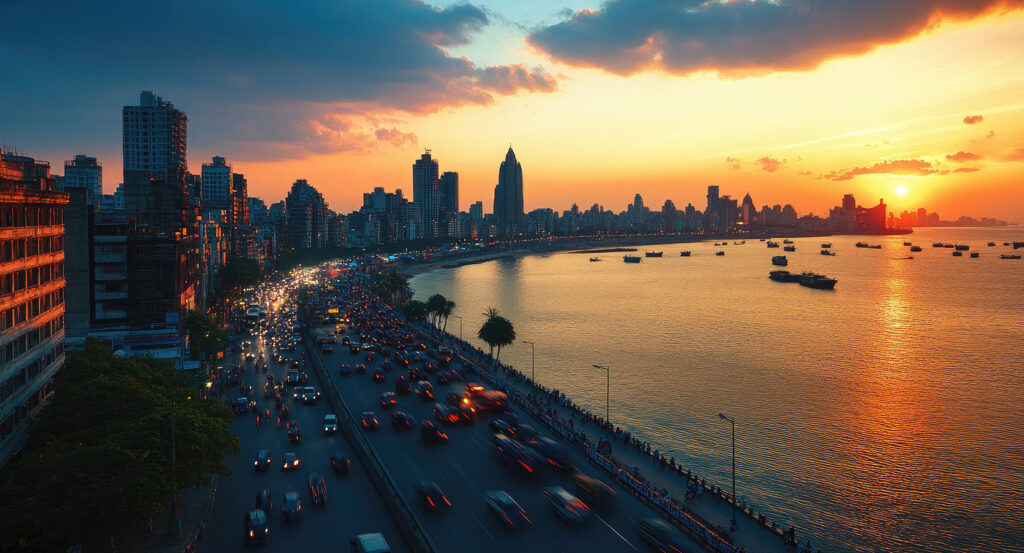
The Westin Mumbai Powai Lake is where Mumbai loosens its grip, turns inward, and reveals a version of itself shaped by water, greenery, and a rare sense of spatial mercy.
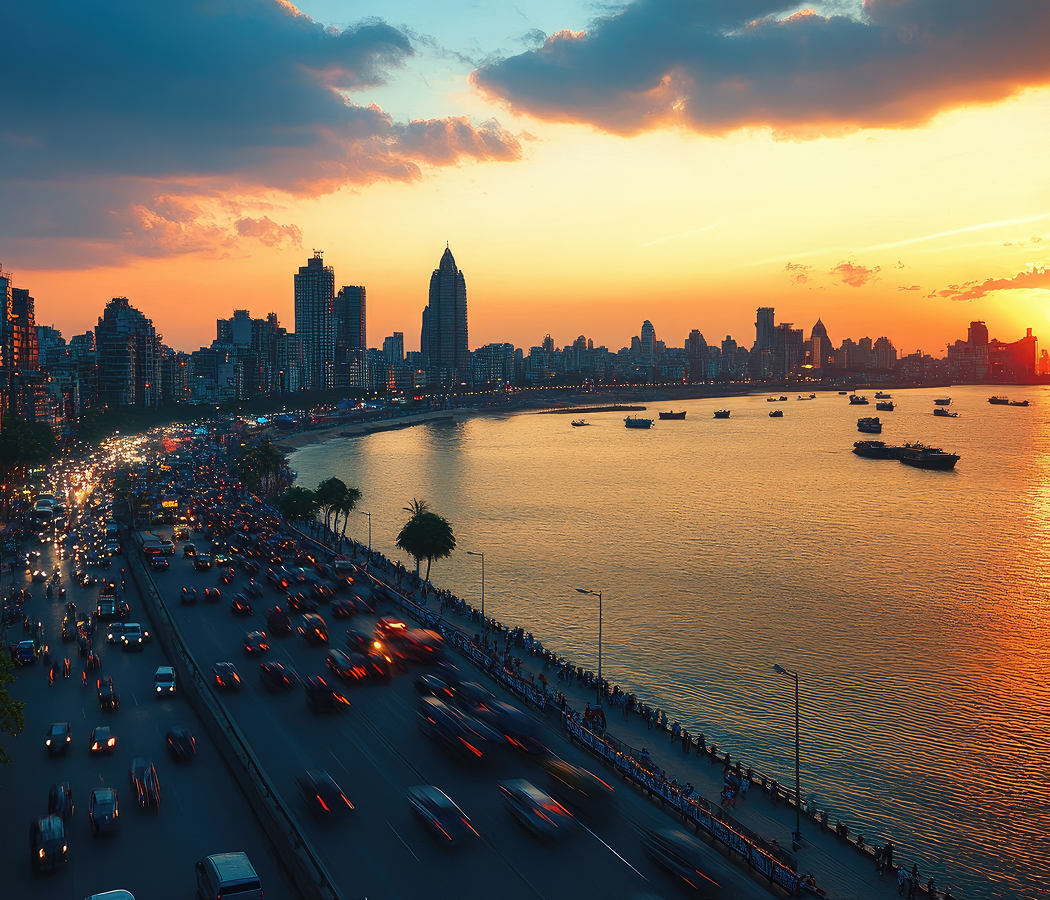
This is not the city at full compression or constant negotiation; this is Mumbai breathing between hills and lake, softened by distance and light. Set beside Powai Lake and backed by forested slopes, the hotel occupies one of the city's most psychologically restorative positions, a place where the urban narrative slows. Arrival feels like a gradual descent. Traffic thins, sound disperses, and the city's sharp edges begin to blur as water and tree cover take visual control. Inside, the hotel opens outward deliberately. Sightlines stretch toward the lake, natural light filters through large windows, and public spaces feel expansive. There is an immediate sense of relief here, as though the environment itself has taken on some of the work of calming you. The Westin's design language reinforces this effect. Clean lines, soft neutrals, and warm materials create an atmosphere that feels restorative. Movement through the hotel is fluid, unhurried, and intuitive, allowing you to settle quickly into a different internal tempo. Rooms extend this calm with quiet authority. Spacious and thoughtfully arranged, they frame the lake, hills, or softened cityscape in a way that feels contemplative. Interiors prioritize order and comfort: plush beds engineered for deep sleep, uncluttered layouts, layered lighting that adapts naturally from day to night, and furnishings that feel supportive. Bathrooms mirror this sense of ritualized ease, with soaking tubs, rain showers, clean stone surfaces, and lighting designed to soothe the nervous system. Dining and outdoor spaces draw heavily from the surrounding landscape. Meals unfold with water and greenery in view, pools feel open rather than enclosed, and terraces invite pause rather than performance. Service throughout The Westin Mumbai Powai Lake is composed, attentive, and emotionally literate. Staff understand that guests arrive here not to be entertained, but to recover. The hotel does not attempt to overpower Mumbai's intensity. It offers something more subtle and far more valuable: perspective.
What you should know about The Westin Mumbai Powai Lake.
The Westin Mumbai Powai Lake was designed around the idea that proximity to nature is not a luxury in megacities, but a necessity for survival.
Powai is among the few areas in Mumbai where the city's expansion was tempered by geography. The lake, surrounding hills, and nearby forest reserves created a natural buffer that reshaped how development occurred, and the hotel's character is inseparable from this context. What many guests don't realize is how deliberately the property integrates its setting into daily experience. Views are not incidental; they are directional. Circulation paths are designed to keep water and greenery present in your peripheral vision, subtly influencing mood and attention. This reflects the broader Westin philosophy, which treats wellness as a structural outcome. Culturally, the hotel attracts a distinct and telling mix of guests: executives on extended assignments, creatives working on long timelines, international travelers seeking decompression rather than stimulation, and locals using the space as a psychological reset. This shapes the hotel's tone, calm, reflective, and quietly cosmopolitan. The service culture mirrors this sensibility, emphasizing steadiness and anticipation. Staff are trained to recognize fatigue, overstimulation, and the need for space, responding with clarity and respect. Operationally, the hotel has become known for its ability to host conferences, retreats, and long stays without sacrificing calm, an achievement in a city where scale often breeds chaos. Sustainability initiatives play a meaningful role here, not as visible gestures but as integrated systems that align with the surrounding ecosystem. The Westin Mumbai Powai Lake represents a hospitality model that understands modern urban exhaustion deeply and responds not with excess, but with environment, rhythm, and restraint.
How to fold The Westin Mumbai Powai Lake into your trip.
The Westin Mumbai Powai Lake works best when you allow it to recalibrate how you experience Mumbai rather than treating it as a pause between engagements.
Begin your mornings slowly, letting light move across the lake before the city fully asserts itself. Wake without alarms sit with the view, and allow your body to orient itself before schedules intervene. Breakfast should feel nourishing and unhurried, ideally with water or greenery in sight, reinforcing the sense that the day can begin. Late mornings and afternoons are ideal for outward engagement, meetings, site visits, studio work, knowing that your return point is restorative. Midday returns are especially valuable here. A swim, a quiet walk, or simply time spent looking outward allows accumulated stress to dissolve before it compounds. Use the hotel's wellness facilities intentionally, not as indulgence but as maintenance. Even short sessions of movement or stillness dramatically shift how the city registers. In the afternoon, venture outward selectively. Choose fewer engagements, but engage them fully. As evening approaches, return “home” and let the environment do its work. Change clothes slowly, let the light soften, and allow dinner to unfold. Evenings here are best kept understated, conversation, reflection, early rest. This is not a nightlife-driven stay, and that restraint is part of its power. On your final morning, resist the instinct to rush. One last look at the water, one last deep breath before reentry. The Westin Mumbai Powai Lake does not linger in memory as performance or novelty. It remains as a physical sensation, space in your chest, clarity in your mind, and the rare experience of having moved through Mumbai.
Where your story begins.
Foresyte Travel reveals places that feel extraordinary long before you arrive.
Experience premium editorial crafted for luxury travelers.