Why The Westin Resort & Spa, Cancun matters.
The Westin Resort & Spa, Cancun is a restorative Caribbean resort where Punta Nizuc's protected coastal landscape meets Maya heritage, the lagoon-and-sea geography of Cancún and the modern development of Mexico's most internationally recognized beach destination.
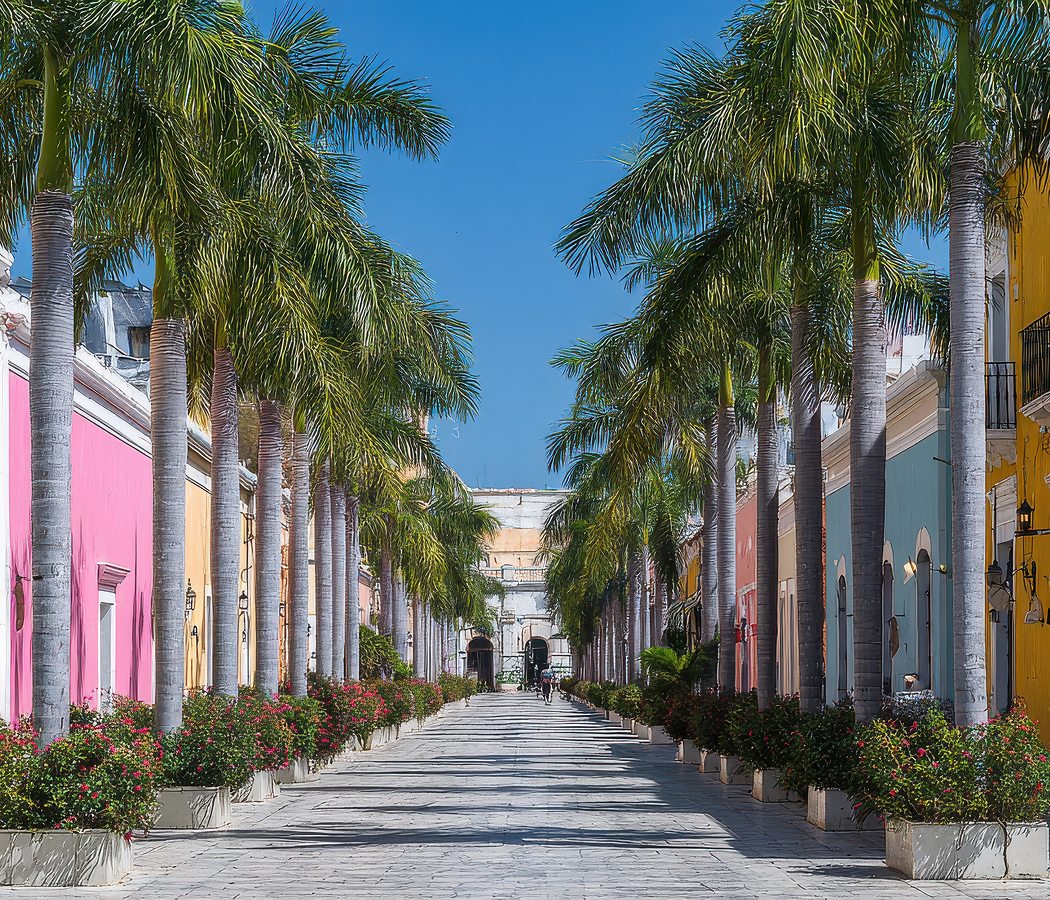
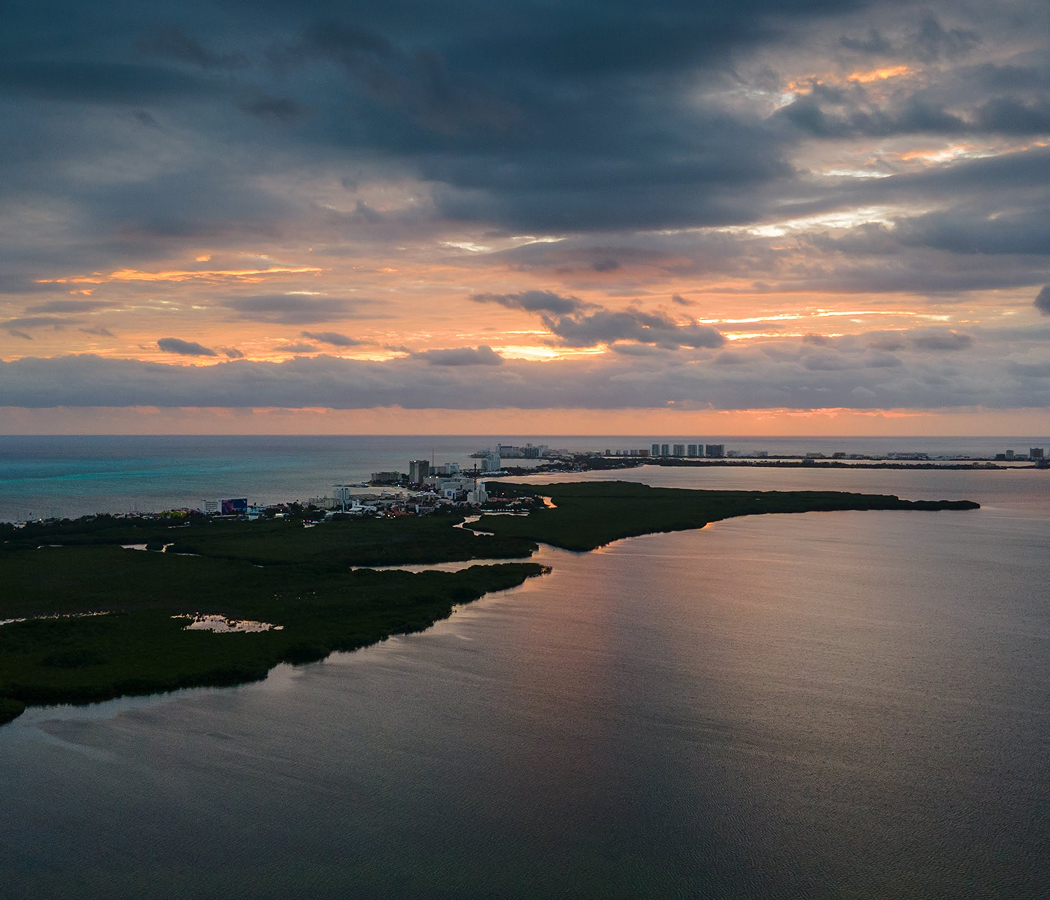
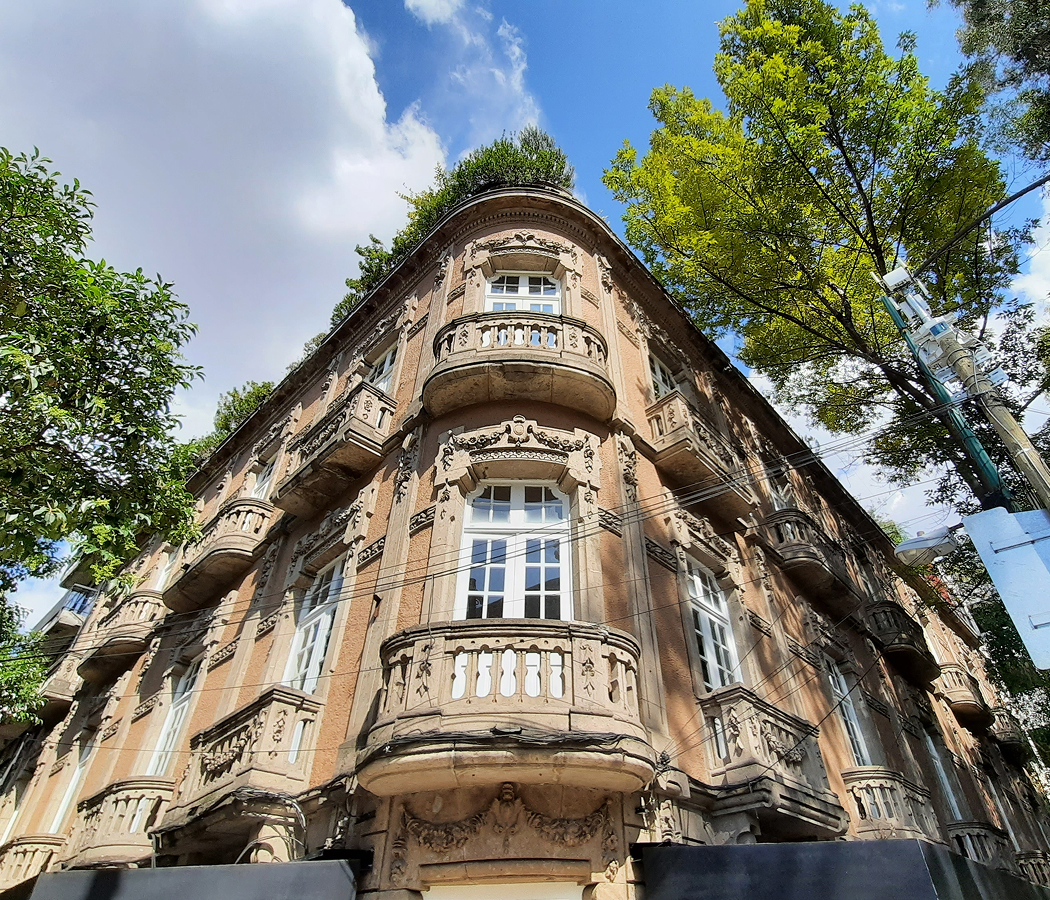
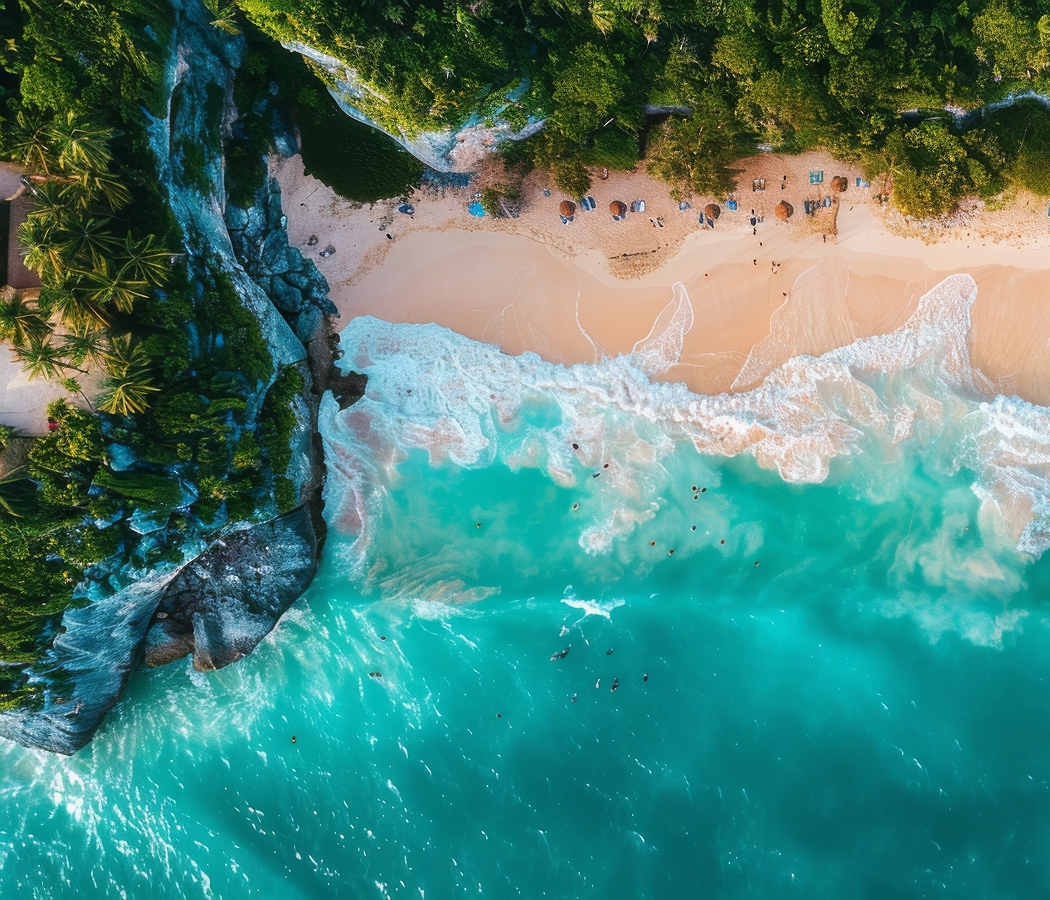
Set at Kilometer 20 of Boulevard Kukulcan on the southern end of Cancún's Hotel Zone, The Westin Resort & Spa, Cancun occupies a narrow coastal position between the Caribbean Sea and Nichupté Lagoon, with Punta Nizuc extending nearby and the city's urban districts beginning north of the resort strip. Its low-rise buildings spread through tropical gardens, pools and shaded courtyards rather than forming a single vertical tower. Guest rooms face the sea, lagoon or gardens, with broad balconies and windows capturing the bright water, palms and shifting light of the Yucatán coast. The architecture uses pale surfaces, open terraces and sheltered walkways suited to the heat, salt air and seasonal storms of the Caribbean. The beach opens directly toward the reef and offshore waters, while the lagoon side supports mangroves, channels and a different ecosystem hidden behind the hotel corridor. Palm trees, flowering shrubs and coastal vegetation soften the transition between the resort, the boulevard and the sand. The property's southern position places it close to the airport, marine parks, archaeological sites and the wetlands of the Nichupté system. Roads along Boulevard Kukulcan connect the resort with Downtown Cancún, shopping districts, nightlife and the historic remains scattered across the northeastern Yucatán Peninsula. The result is a substantial coastal resort whose architecture, gardens and wellness program connect contemporary hospitality with the marine and archaeological geography of Cancún.
What defines The Westin Resort & Spa, Cancun.
The Westin Resort & Spa, Cancun is best known for its landmark architecture by Ricardo Legorreta, whose modernist interpretation of Mexican architectural traditions established one of the most distinctive resort developments along Cancun's Caribbean coastline. The project originated during the expansion of Cancun's international tourism industry, as Mexico's planned resort destination developed beyond its original hotel infrastructure into a major center for international hospitality and vacation ownership. Legorreta, whose architectural practice had emerged from the modernist traditions of Luis Barragán, developed the Westin Regina Cancun complex around the unusual geography of a narrow coastal site separating the Caribbean Sea from Nichupté Lagoon. His commission formed part of a broader generation of Mexican resort projects that combined international hospitality investment with architectural identities rooted in the country's artistic and cultural inheritance. The original architectural program was developed in 1991, with Noé Castro, Rodolfo Torres, Rosario Lemos, and Erica Krayer contributing to the design through Legorreta's practice. The development combined conventional resort hospitality with vacation residences, reflecting the growing importance of shared-ownership accommodation within Mexico's international tourism economy. Its original Westin Regina character connected the property with a portfolio of Mexican resort developments that included prominent destinations in Puerto Vallarta and Los Cabos. The complex entered hospitality operations during the early 1990s, becoming an established landmark near the southern end of Cancun's Hotel Zone. Its architectural importance received international attention through professional publications examining the relationship between Mexican modernism, tropical climate, and contemporary resort development. The property's subsequent evolution reflected the growing institutional importance of vacation ownership, eventually bringing its operations into the portfolio of Vistana Signature Experiences. A substantial nine-month renovation completed in January 2018 transformed the principal public interiors and introduced new recreational facilities, including a FlowRider surfing simulator and Arena Sports Bar & Restaurant. General manager Pedro Groschopp oversaw the property's reopening following the refurbishment, which sought to reconcile Legorreta's established architectural character with the evolving hospitality standards of the Westin brand. Marriott Vacations Worldwide subsequently assumed control of Vistana through its acquisition of ILG in 2018, bringing the Cancun resort into a larger international vacation-ownership organization. Another significant ownership transition occurred in January 2026, when affiliates of Alojica, an investment platform sponsored by Black Creek Mexico, partnered with Royalton Hotels & Resorts to acquire the property from Marriott Vacations Worldwide affiliates. The new ownership announced plans for a comprehensive capital improvement program and conversion into an all-inclusive resort operating under the Westin brand. The Westin Resort & Spa, Cancun represents an important chapter in the development of Mexico's Caribbean tourism industry, connecting Legorreta's internationally influential architectural practice with the commercial evolution of Cancun's resort and vacation-ownership markets.
Ricardo Legorreta's architectural conception establishes the resort's distinctive character through an exceptionally deliberate relationship between building orientation, tropical climate, and the contrasting waters surrounding Cancun's coastal landscape. The design employs elongated geometric volumes arranged along a north, south axis, positioning the principal buildings to capture views toward the Caribbean sunrise and the evening light above Nichupté Lagoon. This arrangement transforms the narrow peninsula's geography into the organizing principle of the development, creating a continuous visual relationship between its two waterfront environments. Legorreta's architectural language draws upon the expansive simplicity of traditional Mexican construction, using strong geometric forms, carefully controlled openings, and the blend of sunlight and shadow to establish a distinctive spatial character. The design also reflects the influence of Barragán's treatment of architecture as a composition of light, color, water, and enclosed outdoor spaces. An elevated entrance plaza creates a ceremonial transition between the resort's residential and hospitality components, establishing a substantial open-air setting at the center of the development. A fountain emerges from the plaza floor, directing the eye through an arrangement of palm trees toward the vivid turquoise waters of the Caribbean. This carefully organized sequence transforms the arrival into a sequence of architectural spaces, connecting constructed forms with vegetation, moving water, and the surrounding coastal horizon. Landscape architects Peter Walker and Martha Schwartz contributed to the original project, bringing their internationally influential approach to landscape composition into the resort's architectural program. Their involvement strengthened the relationship between the development's geometric structures and the tropical vegetation of the Yucatán Peninsula. The building's environmental conception incorporated prevailing sea breezes and cross-ventilation, allowing substantial portions of the original public interiors to operate through natural airflow. This passive cooling strategy established an important relationship between architectural form and Cancun's tropical climate, integrating environmental performance into the project's spatial organization. Structural engineer Heriberto Izquierdo contributed to the building's technical development, supporting the translation of Legorreta's elongated forms and substantial public spaces into a functional coastal resort. The architectural program also incorporated graphic design by Legorreta's practice, extending the visual character of the development beyond its principal structures into the presentation of its public environments. The surrounding coastline introduces another dimension through the contrast between the Caribbean's open water and the protected lagoon ecosystem, whose mangrove habitats form an important part of Cancun's coastal geography. The resort's beachfront wellness program extends this relationship through the Heavenly Spa by Westin, whose outdoor treatment settings incorporate the region's sea breezes and tropical climate. Its traditional temazcal ceremony introduces a cultural connection with Mesoamerican practices of purification through heated steam, integrating an established regional ritual into the contemporary spa environment. Together, Legorreta's geometric architecture, Walker and Schwartz's landscape conception, the passive ventilation strategy, and the resort's relationship with two distinct bodies of water establish an exceptional architectural interpretation of Mexico's Caribbean environment.
How The Westin Resort & Spa, Cancun fits.
The Westin Resort & Spa, Cancun works as the starting point for an exploration connecting Cancún's Maya archaeological heritage, the museum culture of the Hotel Zone and the city's contemporary public life beyond the beach corridor.
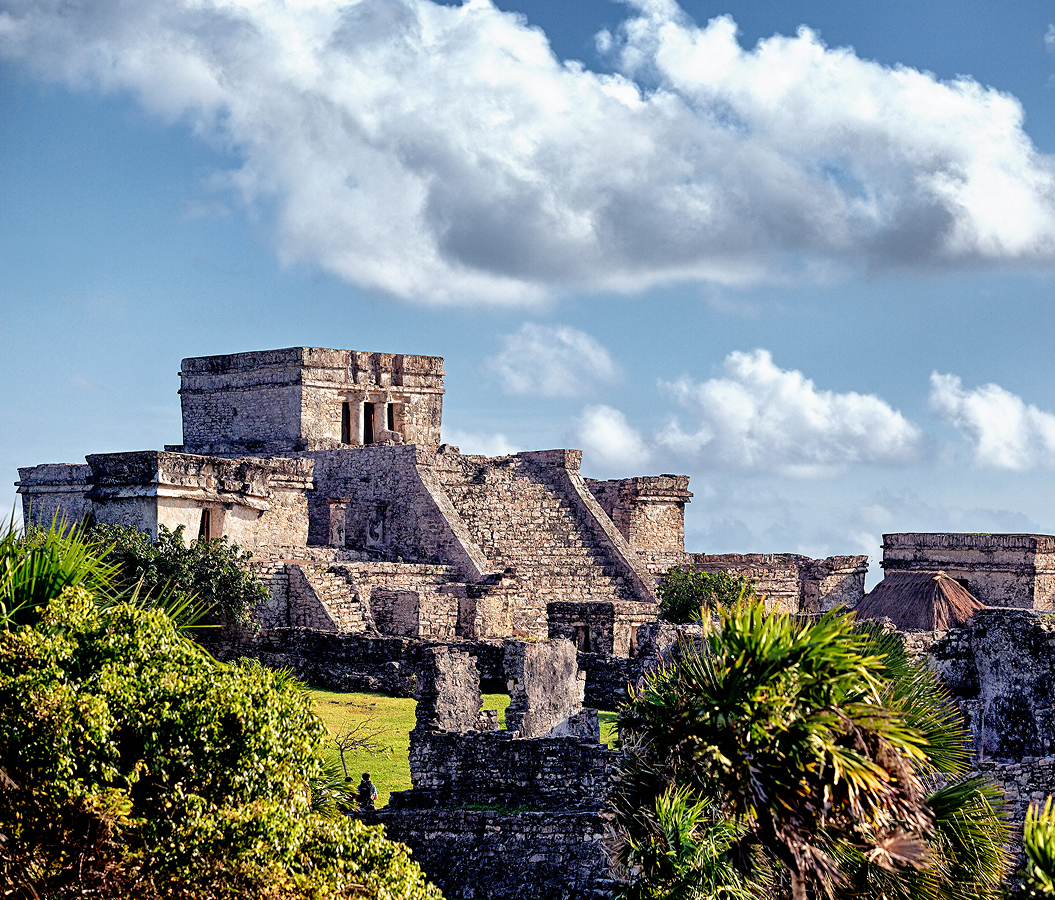
Begin at El Rey Archaeological Zone, the coastal Maya settlement where temple platforms, plazas, walls and carved remains occupy a low landscape within the southern Hotel Zone. The site preserves a community associated with maritime trade, fishing and the movement of goods along the Caribbean coast. Its buildings stand among palms, scrub and open ground, revealing how Maya settlement adapted to the dry limestone environment long before the construction of modern resorts. The ruins provide a direct historical counterpoint to the hotel corridor and place Cancún within a much older regional network. Continue to Museo Maya de Cancún, the principal museum in the Hotel Zone where sculpture, ceramics, jewelry, tools and architectural fragments present the history of Maya civilization across the Yucatán Peninsula. Its galleries connect the archaeological sites of Cancún and Quintana Roo with the larger cultural world of cities, rulers, merchants and communities that developed throughout the Maya region. The museum's modern building and landscaped grounds create a formal cultural setting beside the resort strip, placing ancient history within the city's contemporary tourism landscape. Its collections extend the visitor experience beyond beaches and marine recreation into the deeper history of the peninsula. Conclude at Parque Las Palapas, the central public square in Downtown Cancún where food stalls, music, festivals, family gatherings and local commerce create a distinctly urban expression of the city. The park serves as a meeting place for residents and visitors outside the resort corridor, surrounded by streets, markets, churches and neighborhood businesses. Its evening activity reveals the social life that developed around Cancún's permanent population after the growth of the Hotel Zone. The square connects the city's contemporary character with the food, music and public traditions of the wider Yucatán region. The progression moves from El Rey Archaeological Zone's coastal Maya settlement through Museo Maya de Cancún's regional collections and concludes at Parque Las Palapas, where Cancún's modern civic life gathers beyond the beach.
Where your story begins.
Foresyte Travel reveals places that feel extraordinary long before you arrive.
Enjoy editorial crafted for luxury travelers.
Foresyte may earn a commission when you book.